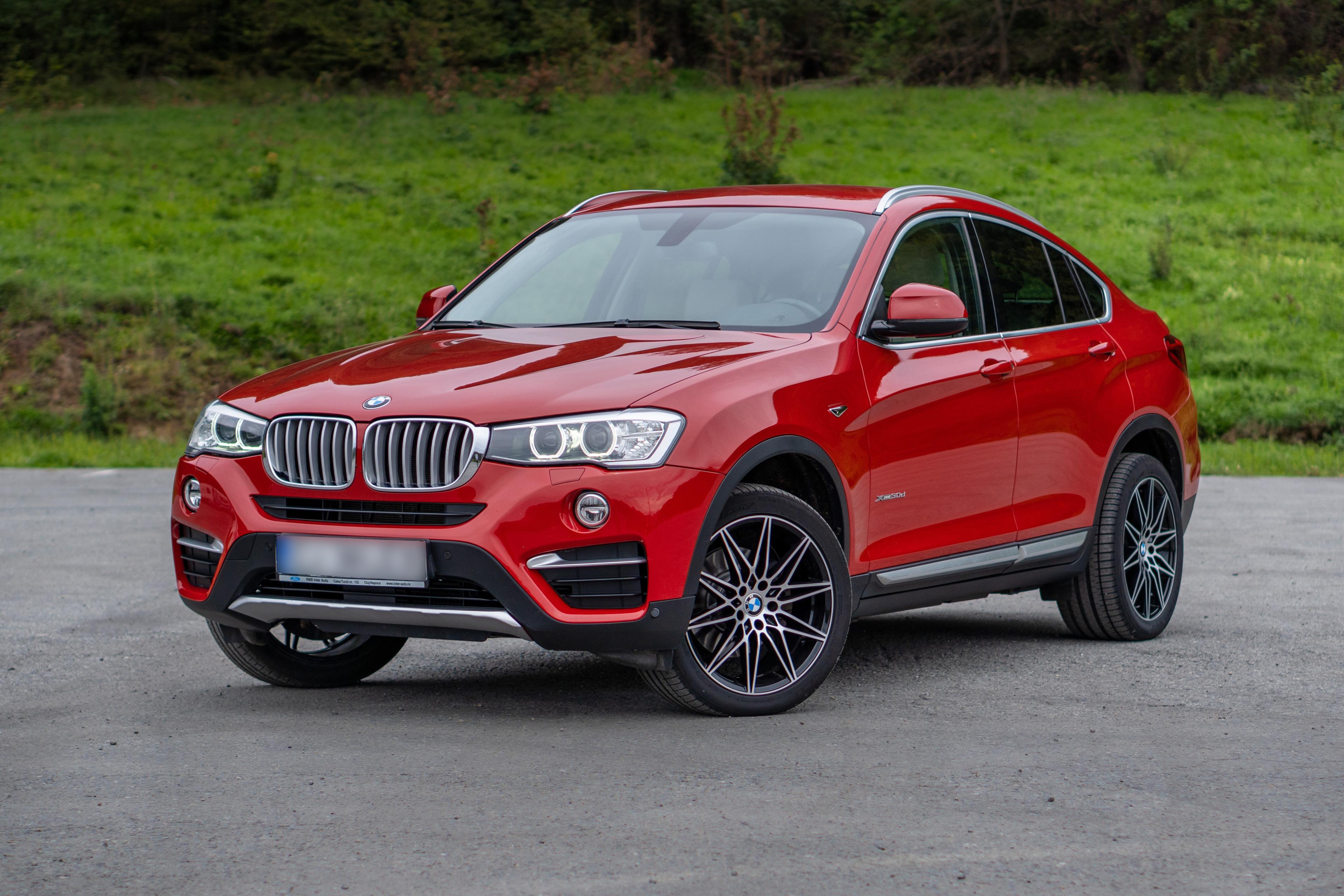
BMW 3 Series Reliability Guide & Common Problems (2026)
First introduced in 1975, the 3 Series is one of BMW’s most popular models. The current generation, the G20 model unveiled in 2018, continues with the same recipe: comfort, driving performance and rear-wheel drive.
However, with cars becoming more and more complex, is the 3 Series as reliable as we’ve come to expect from BMW? We’ll take a look at some common problems and recalls and discuss whether the 3 Series is a good buy in 2026.
Is the BMW 3 Series Reliable?
The petrol and PHEV versions of the latest 3 Series ranked 2nd in the executive class with a 97.5% reliability score in the 2024 WhatCar? Survey, while diesels achieved around 96%. BMW as a brand scored 8th out of 31, which is pretty good!
According to the same WhatCar? survey, the most commonly repaired fault related to the engine or electrics, but BMW paid for 96% of the repairs needed, and fixed nearly 70% of faults in less than a week.
Reliability by BMW 3 Series generation
The BMW 3 Series reliability story varies by generation, with older models tending to suffer more from mechanical wear, while newer models introduce greater electronic complexity.
While both generations are generally considered strong executive cars in 2026, reliability can vary significantly by model.
Here’s a quick overview of the F30 and G20 models.
Pro Tip: Earlier E90-generation models built a reputation for strong driving dynamics but are now increasingly affected by age-related wear.
For most buyers in 2026, the F30 and G20 generations represent the most relevant choices.
F30 (2012–2019)
The F30 generation helped modernise the 3 Series and remains a popular used choice thanks to its balance of performance, comfort and relatively strong reliability. However, certain engines and higher-mileage examples are known for recurring issues.
Most common F30 issues:
Timing chain wear (particularly on some diesel engines)
Cooling system and water pump failures
Suspension bush wear and knocking noises
EGR-related issues on diesel models
Electrical faults and battery drain
Many F30 reliability complaints appear as mileage increases, particularly beyond 60,000–80,000 miles. Diesel variants can develop EGR and timing chain concerns, while suspension components and cooling systems often become wear items over time.
Verdict: Strong overall reliability, but engine choice and maintenance history matter.
G20 (2019–present)
The latest G20 generation improved refinement, technology, and overall build quality, while also scoring strongly in recent reliability surveys.
As with many newer cars, increased software and electrical complexity have created some recurring issues. Bumper always recommends considering these before you buy.
Most common G20 issues:
iDrive software glitches and infotainment faults
Battery and electrical system warnings
Suspension knocks and component wear
Sensor-related warning lights
Recall-related battery concerns on some models
Most reported G20 issues are relatively minor and electronic rather than major mechanical failures. Owners occasionally report infotainment bugs, connectivity problems and unexplained warning lights, although BMW has resolved many issues through software updates and recall work.
Verdict: One of the more dependable modern executive saloons, with electronics representing the biggest concern.
Common BMW 3 Series problems
Most BMW 3 Series models are reliable in general use, but like any premium car, they can develop a few well-known issues as they age or gain mileage. These aren’t usually catastrophic failures, but they can become expensive to fix if ignored.
Here are the most common problems owners report across both the F30 and G20 generations:
Timing chain wear: Can cause a rattling noise on startup, mainly in higher-mileage diesel models
Cooling system leaks: Water pump or thermostat faults that may trigger overheating warnings
Suspension wear: Worn bushes or control arms leading to knocking noises or a less comfortable ride in both generations.
Turbo issues: Loss of power and smoke or reduced acceleration on some diesel engines.
EGR system faults: Can trigger warning lights and reduce engine efficiency (more common in BMW diesels).
Infotainment problems: Frozen screens, slow response, or Bluetooth/navigation glitches have been reported for the BMW 3 Series.
Electrical issues: Warning lights or stop-start system faults. Battery drain has also been reported.
Sensor faults: Intermittent alerts from parking sensors or dashboard warning messages.
Plug-in hybrid recalls: Some G20 hybrid models have had battery-related recalls or software updates.
Typical BMW 3 Series repair costs (UK prices)
While most BMW 3 Series issues are manageable if caught early, repair costs can vary significantly depending on the engine, generation, and whether the car is maintained through the BMW dealer network or an independent specialist.
Below are some typical repair costs for common BMW 3 Series problems in 2026:
Repair / Service Item | Typical Cost (UK) |
|---|---|
Water pump & thermostat replacement | £400 to £900 |
Suspension bush or control arm replacement | £250 to £700 per axle |
Battery replacement (including coding on newer models) | £150 to £350 |
Turbocharger repair or replacement | £900 to £2,000+ |
Timing chain replacement (where required) | £1,000 to £2,500+ |
iDrive / infotainment repair or module replacement | £200 to £1,200 |
EGR valve replacement or cleaning | £250 to £900 |
Sensor diagnostics and minor electrical faults | £80 to £180 (diagnostic), plus repairs |
BMW 3 Series Recalls
There have been a few recalls on the 3 Series since its launch in 2019; thankfully, any recall work is to be completed by the manufacturer, free of charge. Check to see if your car, or one you're looking at buying, has any outstanding recalls here.
Crankcase Bearing Bushing (2019)
On certain vehicles built between 11 March and 9 July 2019, a bearing bushing was not properly installed into the engine's crankcase, whilst only a small part, it requires the engine to be removed and potentially replaced.
Even though only 53 cars were affected, it's still worth double-checking any potential car, as the fault can lead to engine failure, which will be extremely inconvenient even if the repair cost is covered!
Battery Pack Short‑Circuit Risk (2020)
Certain 3 Series models (made from March–September 2020) had battery pack debris left from welding that could cause short circuits. Affected units may need battery replacement.
Symptoms of this fault could be quite severe, so it’s important to get your car checked.
EGR Cooler Leak
On certain cars made in 2018, the exhaust gas recirculation valve’s cooler system may develop a leak. The type of coolant used, mixed with sediment from the EGR system, can cause “ignitable” deposits.
If your 3 Series was made in 2018, this one is definitely worth checking, as it affected nearly 64,000 cars.
Common Non-Recall Reliability Issues
Suspension Wear & Knocking
Suspension components rank among the most frequent repairs. Symptoms include uneven ride, steering pull, or audible knocking when braking. This could also be related to the poor condition of UK roads and the G80’s firm suspension.
Fixes include general suspension replacements, such as shocks, suspension arms and bushes.
Infotainment Glitches
Many UK owners report occasional iDrive bugs, Bluetooth dropouts, and touchscreen unresponsiveness, which is something we see across all makes and models of modern cars.
Typically, a software update is needed from the dealer, but these things can also be remedied by a system reboot.
Electrical Quirks
Electrical issues include warning lights without a clear cause, central locking or body control faults. A forum post advising people to check battery ground wires got a bit of attention, indicating there are a few common electrical issues.
Which years of the BMW 3 Series are most reliable?
The most reliable BMW 3 Series models tend to be later F30 facelift cars (2015–2019) and early G20 models (2019–2022).
The F30 is strong mechanically but can suffer wear-related issues at higher mileage, while the G20 benefits from improved build quality and fewer major mechanical faults overall.
Bumper recommends reading in-depth reviews for both and comparing them against your own driving needs and budget before making a purchase.
Do the BMW 3 Series last long?
Yes, the BMW 3 Series can last well over 150,000 miles if properly maintained.
Engines and gearboxes are generally robust, but longevity depends heavily on servicing, driving style, and engine choice.
Note that diesel models may need extra attention to EGR and timing chain components as mileage increases.
Is the BMW 3 Series Worth Buying?
Despite the few ‘common’ faults listed above, the 3 Series seems to be a very well put-together car. It also receives lots of praise for its driving characteristics, and achieved an impressive Euro NCAP score.
Residual prices of most BMW models are also strong, which is usually a good indicator of a brand's overall reliability; it also helps with depreciation come trade-in time.
Overall, if you are happy with the slightly elevated repair costs associated with German marques, and the few niggles listed above don’t put you off, the 3 Series is a perfect executive saloon.

Split your car repair cost over monthly repayments interest-free.
Split the cost of your next repair
Other related articles from our blog

Advice
2 min read
This summer car washing method could be wrecking your vehicle
Every driver wants to have a clean car, but washing your car with this popular summer method could lead to premature ageing of the vehicle's tyres.
Advice
2 min read
Everyday driving mistake that could cost you thousands
Drivers are discovering that a simple driving habit could land them a big fine. Discover more about the everyday driving mistake that could cost you thousands.
Advice
5 min read
Tyre Replacement Cost Guide: £45 to £250+ (2026)
Tyre replacement costs range from £45 to over £250 for British drivers. See a list of tyre change costs and find out what your car needs online with Bumper.


