
How much does it cost to repair a car's crankshaft?
With the crankshaft being one of the most crucial and expensive parts to replace in an engine, being told there’s an issue relating to it, or hearing suspicious noises when driving could be a cause for concern.
In this article, we’ll take a look at the potential issues your car may be suffering from and how much they are likely to cost.
Crankshaft repair cost
Repairing a crankshaft is not cheap, and usually it would be easier to replace the whole engine. This can cost anywhere from £2,700 to over £10,000, depending on the type of car it is, and whether you buy a new, used or refurbished engine.
However, before worrying too much, double-check it’s not a similar-sounding problem, such as a crankshaft sensor, crankshaft pulley, or crankshaft damper. As we all know, sometimes information can get slightly skewed in translation.
These problems are generally far less catastrophic in cost:
Crankshaft sensors typically cost between £100 and £430
Crankshaft pulleys often cost between £250 and £500
Crankshaft dampers are around the same, £250 and £500
If the above figures are daunting, consider spreading the cost with Bumper's car repair finance.
What is a crankshaft?
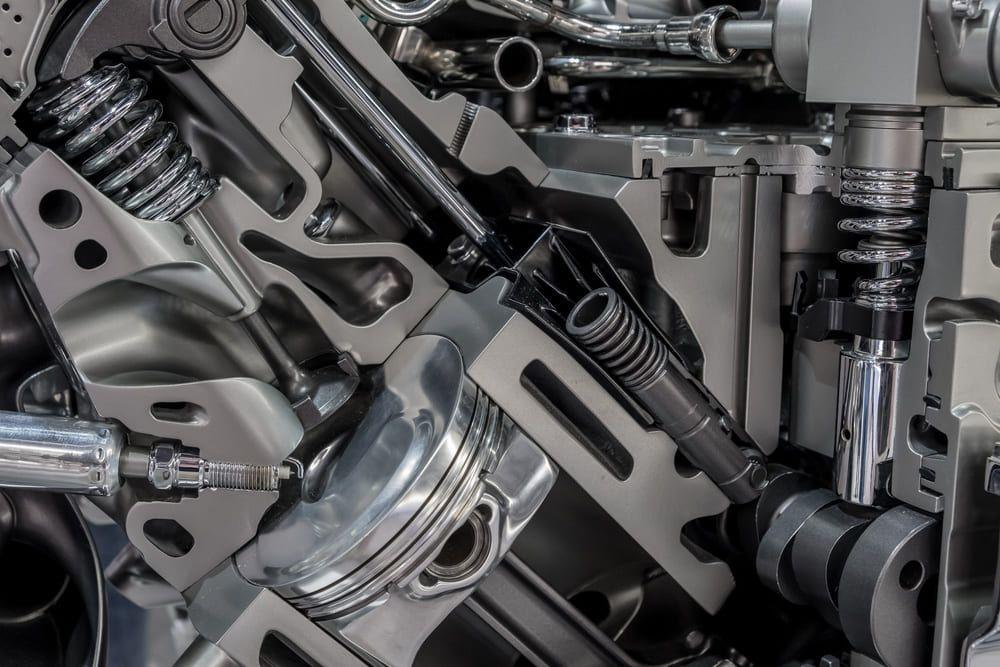
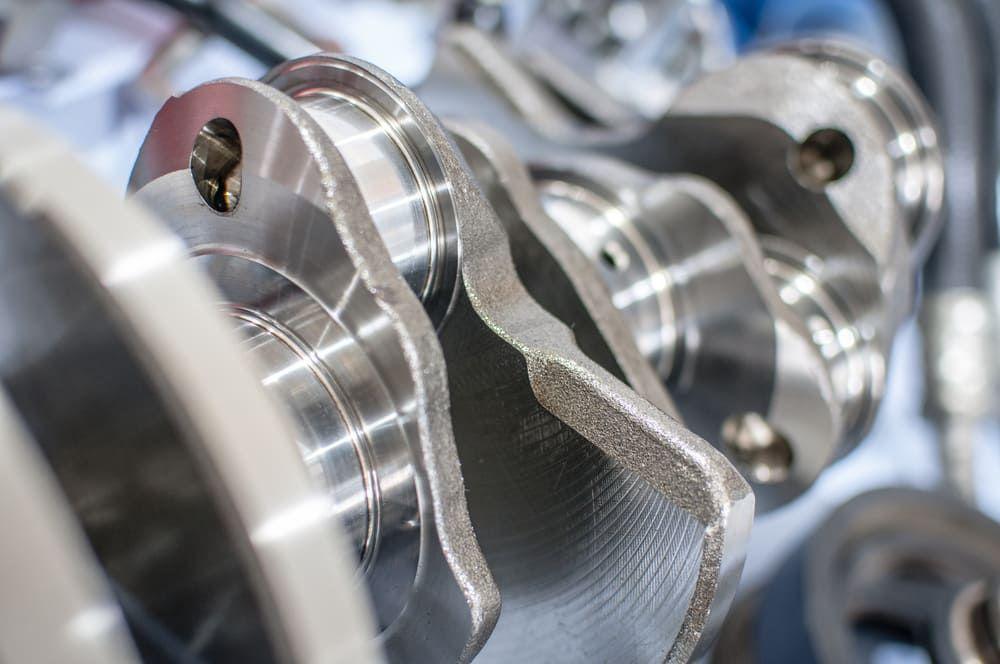
A crankshaft connects to the pistons in an engine and converts their up and down motion into rotational power, which then, through the gearbox and drivetrain, powers the wheels.
It is a precise and complex part to make, and is located in the bottom of the engine, hence why an issue with it usually means replacing the whole engine. With normal road cars, problems tend to stem from the bearings it spins on, rather than the shaft itself.
Symptoms of a damaged crankshaft or crankshaft bearings
If your engine's crankshaft is damaged, it is likely to be evident through a knocking noise or vibrations from the engine. These would typically get louder with increased engine RPM. However, it’s important for the sake of other components to avoid starting or revving the engine as much as possible if you suspect crankshaft damage.
Serious damage, such as a snapped crankshaft, will prevent the engine from running at all.
How long does it take to repair a crankshaft issue?
As mentioned above, it is likely that replacing the engine with a new, used or reconditioned one is the best course of action, as stripping and rebuilding an engine often takes longer and requires specialist tools and knowledge.
Replacing an engine could be done in around 2-3 days if the parts are easy to source and the garage can prepare in advance, but often, parts that are unexpectedly required can delay the job for a week or more.
Repairing smaller items, such as a crankshaft sensor or crankshaft pulley/damper, should only take a few hours, if everything goes well.
Can a crankshaft snap?
Yes, in certain circumstances, a crankshaft can completely break in two. In the past, these issues were most commonly associated with tuned or modified cars that had non-original turbos and similar power boosting devices fitted.
One notable example of a completely standard engine breaking its camshaft is the Land Rover TDV6 engine, used in many Discovery and some Range Rover models. It is a known problem whereby oil starvation causes one of the crank bearings to seize.
Have engine problems diagnosed and repaired through Bumper
If your car is making a strange noise or you’ve been told by a mechanic that it’s due for some expensive repairs, Bumper’s interest-free car repair loans can help spread the cost of the repair. Available now through one of hundreds of nationwide approved garages, find your nearest one today.
Author - Joseph Law
Joseph has been writing about cars for over eight years and writing for Bumper for over three, blending his passion for automobiles with a talent for storytelling.
Joseph has written about engineering and cars for Autozilla, Komaspec, and several engineering manufacturers. When he's not writing or tinkering with one of his cars, Joseph dreams of owning an Alfa Romeo 33 Stradale.

Split your car repair cost over monthly repayments interest-free.
Split the cost of your next repair
Other related articles from our blog
Advice
5 min read
Audi S3 Repair Costs Guide
Audi S3 repair costs can be as low as £150 or above £3,000 for severe damage. See a list of Audi S3 repair costs and what steps to take next today.
Advice
5 min read
Audi Q5 Repair Cost Guide
Audi Q5 repairs range from £150 to over £3,000. See the average Audi A5 repair costs and find estimates for your repairs online today. Read more here.
Advice
5 min read
Audi Q7 Repair Costs Guide
Audi Q7 repair costs range from £150 for small issues to over £3,000 for significant repairs. See a list of the Audi Q7 repair costs for UK drivers online now.




