CV Joint Repair Cost
Constant velocity or CV joints are an essential part of every car’s drivetrain. Like most drivetrain components, they can wear out over time, depending on the type and amount of use the car has.
If your car needs new CV joints, this guide will help to understand the costs involved with having them replaced, as well as common symptoms to look out for.
How much is a CV joint to replace?
Replacing a CV joint can cost anything from £250 to £900, depending on the make and model of the car. In some cases, the whole driveshaft will need replacing rather than just the joint.
Sometimes, just the CV boot needs replacing. This is a common MOT failure, which can cost anywhere from £50 to £140.
Split your next repair bill with Bumper's car repair finance.
What is a CV joint?
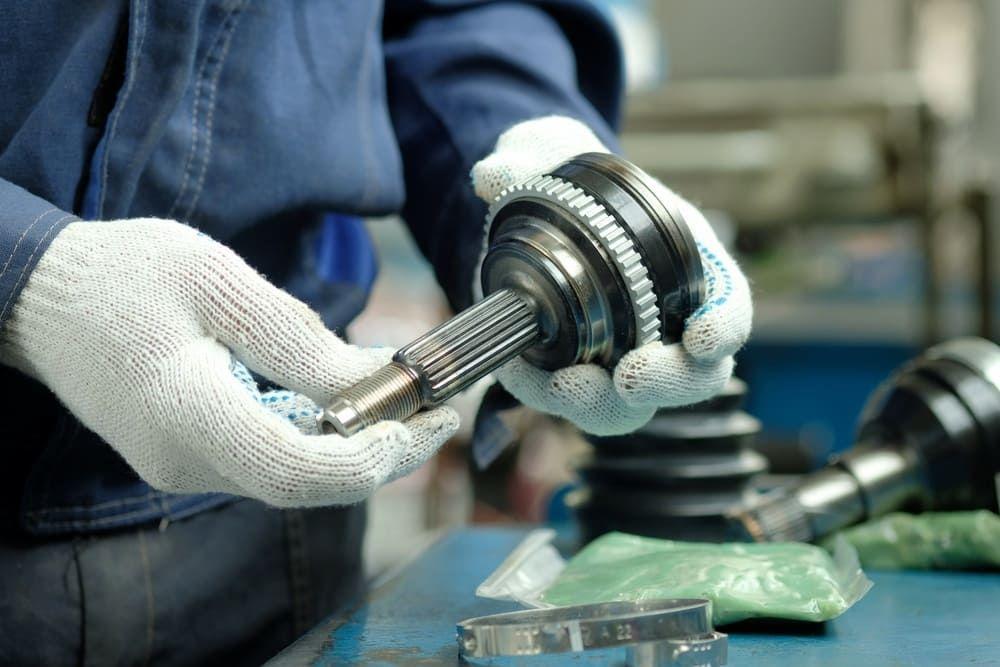
A CV or constant velocity joint is a mechanical coupling used to transmit rotational power at a constant rate, despite changes in the angle of the two shafts due to steering or suspension travel. They are used on the front wheels of front wheel drive cars, and sometimes on the rear of rear or 4 wheel drive ones.
The name constant velocity was coined due to their ability to maintain the same input and output speed, regardless of the angle of the two shafts, unlike a simpler universal joint, as often found on the propshaft of rear wheel drive cars.
What are signs of a bad CV joint?
Because a CV joint is a major mechanical component in your drivetrain, symptoms of wear and issues are generally detectable with a good ear or feel. These are the symptoms of a bad CV joint:
A clicking or rumbling noise when turning that speeds up with the car's speed
A slight low-frequency oscillation in the steering wheel, when making sweeping turns
Grease or oil-like substance is present on the CV boot or around the suspension
What is a CV boot?
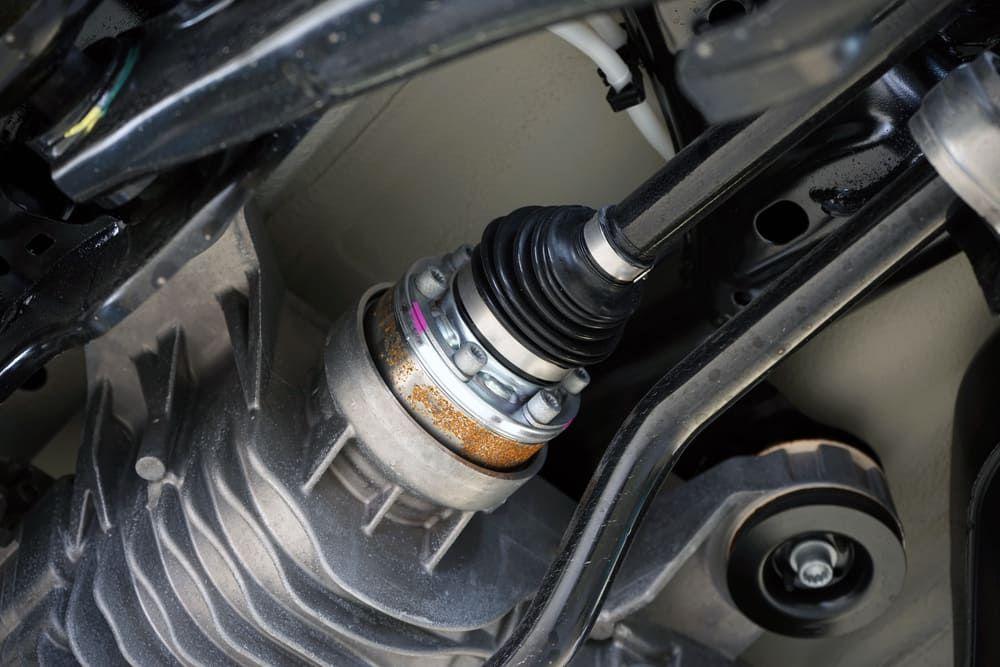
A CV boot is a rubber protective component that encases the CV joints. The geometry that enables a CV joint to work is made to high tolerances, and uses grease to prevent premature wear, in a similar way to engine and gearbox components.
The CV boot ensures this grease is retained inside the joint, and dirt and water cannot enter to cause premature wear. Split CV boots are common MOT failures, as they can cause a sound joint to become dangerously worn in a matter of months.
Can I drive with a bad CV joint?
No, you should not drive with a worn or bad CV joint. An excessively worn CV joint can cause more than just increased load on the engine, but it can even fail completely, meaning the driveshaft could well cause more damage or loss of control.
Zero-percent financing on car repairs
If your car needs repairs, from CV joints to body work, Bumper can help with zero-per-cent interest financing. Choose from one of hundreds of nationwide, approved partners. Apply online for a car repair loan.
Author - Joseph Law
Joseph has been writing about cars for over eight years and writing for Bumper for over three, blending his passion for automobiles with a talent for storytelling.
Joseph has written about engineering and cars for Autozilla, Komaspec, and several engineering manufacturers. When he's not writing or tinkering with one of his cars, Joseph dreams of owning an Alfa Romeo 33 Stradale.

Split your car repair cost over monthly repayments interest-free.
Split the cost of your next repair
Other related articles from our blog

Advice
2 min read
Andy Burnham puts an end to 'rip-off' parking charges and scams
The Government's new Private Parking Code of Practice outlines plans to reduce the effect of inflated parking fines in private car parks. Learn more about the Government's new plans here.

Advice
1 min read
Why the clocks going back could mean a big problem for drivers
A campaign has revealed why the end of British Summer Time could spell disaster for some drivers. Discover how reduced visibility at night and the start of a well-known animal's breeding season could increase the risk of a collision for some motorists.

Advice
3 min read
What the new Budget could mean for drivers: full list of potential changes
A full list of potential changes for drivers in the Government's upcoming Autumn Budget. What the new Budget could mean for the cost of fuel and EV ownership.


