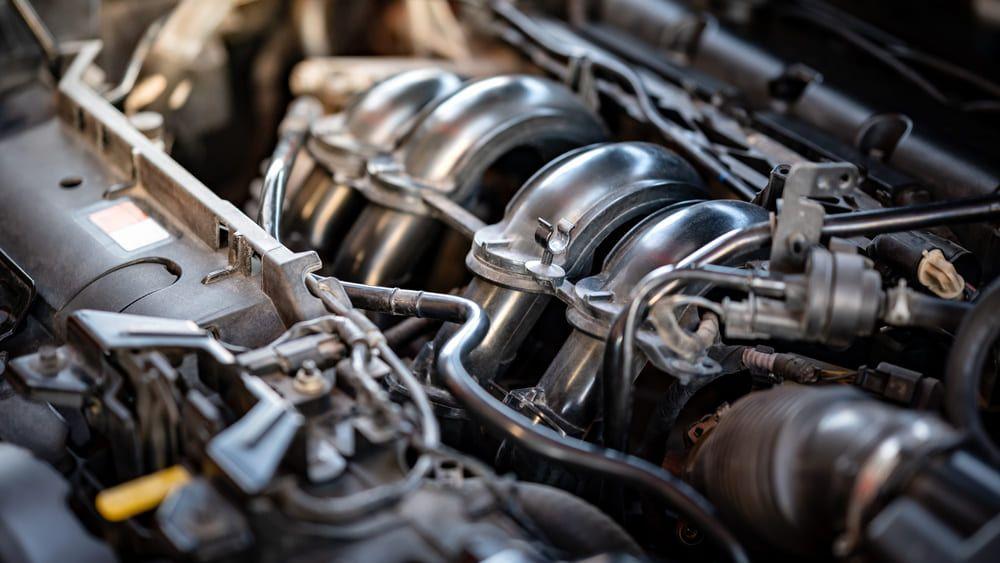
How much is it to repair a turbo in 2026?
Turbochargers are fitted to most cars nowadays, as they help make engines far more fuel-efficient and powerful. However, they add complexity to an engine and can cost quite a lot to repair. In this article, we’ll go over the likely costs of repairing a damaged or faulty turbo on your car.
How much does it cost to repair a turbo?
Repairing or replacing a turbocharger can cost between £450 and £3,000 or more. The price will be affected by the make and model of the car, as well as the type of mechanic you take it to.
Replacing a stuck or faulty turbo actuator can be done for around £250. This is the part that allows the turbocharger to work, and it can sometimes need replacing.
In some cases, a turbo can be rebuilt, with new bearings and seals, but the labour time to remove and refit will be the same; this typically starts at around £800.

Turbo replacement can cost upwards of £3,000 depending on the type of car, performance cars in particular tend to have large, expensive turbos, or multiple of them.
In extreme cases of turbocharger failure, parts of the turbo can enter the engine, causing catastrophic damage. In these cases, a new engine and turbo are likely to be needed.
Want help with large repair bills? Bumper's car repair finance lets you split the cost.
What is a turbocharger?
A turbocharger increases the power output of an engine by using the otherwise lost energy expelled from the exhaust to compress more air and fuel into the intake.
Turbos have been used to increase both power and efficiency in engines since the 1960s, but their usage has increased dramatically with the drive to make cars even more efficient in the last couple of decades.
What causes a turbo to fail?
Turbos spin at over 100,000 RPM, and as such require highly precise bearings to spin without friction or excess heat. This means they are quite sensitive to operating conditions. The following situations can cause excessive turbo wear:
Poor oil quality – turbos have constant lubrication using the engine’s oil, so if it’s old or contaminated, it can damage the bearings inside
Overheating or lack of coolant – modern turbos often have coolant lines that connect to the car's cooling system, so if the engine overheats, so can the turbo
Not warming them up – turbos need good oil circulation before being fully utilised, so it's best to wait until the car has warmed up before accelerating harshly
Age – even with meticulous maintenance, the bearings and seals will still age and wear
What are the symptoms of a faulty turbo?
Because turbochargers add power and efficiency, there are numerous warning signs to look out for, although be aware that most of these could also be caused by other, unrelated things:
Lack of power
Black smoke from the exhaust on acceleration
Blue smoke from the exhaust on acceleration
Whistling sound on acceleration
Poor fuel economy
Can you drive a car with a faulty turbo?
No, you should really try to avoid driving a car with a known faulty turbo. Not only will the likely lower power be dangerous, but the smoke created is also likely to get you in trouble with any police officers behind you.
Not only that, if the turbo is not being properly lubricated, it can fail catastrophically, potentially sending debris into the engine, destroying that too.
Repair your turbo with Bumper
If your car has a turbo problem, it’s important to get it fixed as soon as possible. For an easy way to manage large car repair bills, Bumper offers interest-free car repair finance at hundreds of garages nationwide.
Simply find your nearest approved garage and get your car fixed straight away, without the upfront cost.

Split your car repair cost over monthly repayments interest-free.
Split the cost of your next repair
Other related articles from our blog

Advice
2 min read
This summer car washing method could be wrecking your vehicle
Every driver wants to have a clean car, but washing your car with this popular summer method could lead to premature ageing of the vehicle's tyres.

Advice
2 min read
Everyday driving mistake that could cost you thousands
Drivers are discovering that a simple driving habit could land them a big fine. Discover more about the everyday driving mistake that could cost you thousands.
Advice
5 min read
Tyre Replacement Cost Guide: £45 to £250+ (2026)
Tyre replacement costs range from £45 to over £250 for British drivers. See a list of tyre change costs and find out what your car needs online with Bumper.


