How much does a starter motor replacement cost? (2026)
Starter motor replacement costs usually sit around £300 to £500 for UK drivers in 2026.
In this blog post, we'll tell you the average cost of a starter motor replacement in the UK, costs per popular makes and models, and provide tips on extending your starter motor's life. Scroll down to become an expert on starter motor repair now.
How much does a starter motor replacement cost?
The cost of replacing a starter motor in the UK can range from £300 to £500 depending on the make and model of the car.
This variation is mainly due to differences in parts pricing, labour time, and how accessible the starter motor is within the engine bay.
Prices can also sit lower for smaller, more common vehicles, while premium brands or more complex engine layouts tend to push costs toward the higher end of the range.
Average starter motor replacement cost by car model
Here are the average costs based on the most popular vehicle brands in the UK based on 2026 averages.
Car Model | Starter Motor Replacement Cost |
|---|---|
Audi | £350 to £600+ |
BMW | £350 to £550+ |
Ford | £300 to £450 |
Hyundai | £280 to £420 |
Mercedes | £400 to £650+ |
Nissan | £300 to £450 |
Toyota | £300 to £450 |
VW | £320 to £500 |
If you're worried about an expensive car repair bill, then Bumper could help. Split the cost with 0% car repair finance and save the stress on your wallet.
Average starter motor replacement cost by UK location
Starter motor repair costs in the UK vary depending on where you live. This is due to labour costs, parts and materials availability, and service demand.
Pro Tip: Bumper reminds you to take into account the make and model of your car, too!
Below you’ll find averages per UK region in 2026.
Place | Average Starter Motor Repair Cost |
|---|---|
Birmingham | £300 to £420 |
Bristol | £320 to £450 |
Glasgow | £310 to £430 |
London | £380 to £550 |
Manchester | £300 to £430 |
Sheffield | £290 to £400 |
Can a starter motor be repaired or does it need replacing?
In some cases, a starter motor can be repaired, but this depends on the nature of the fault.
Minor issues such as worn brushes, corroded connections, or faulty wiring can sometimes be fixed without replacing the entire unit.
However, in most modern vehicles, starter motors are replaced rather than repaired because:
Labour costs for dismantling are similar either way
Internal components are often sealed or difficult to access
Replacement is usually more reliable long-term
This means the majority of starter motor issues end up requiring a full replacement, which is why understanding the typical cost range is important when planning a repair.
Why is starter motor replacement so expensive?
Starter motor replacement can feel expensive because it involves both parts and labour-intensive work.
The main cost drivers are:
Labour time to access the starter motor (often buried in the engine bay)
Vehicle make and model complexity
Part quality and brand differences
Even though the starter motor itself may not be extremely expensive, the labour required to remove surrounding components is what pushes the total cost into the £300 – £500 range for most UK vehicles.
What does a starter motor do?
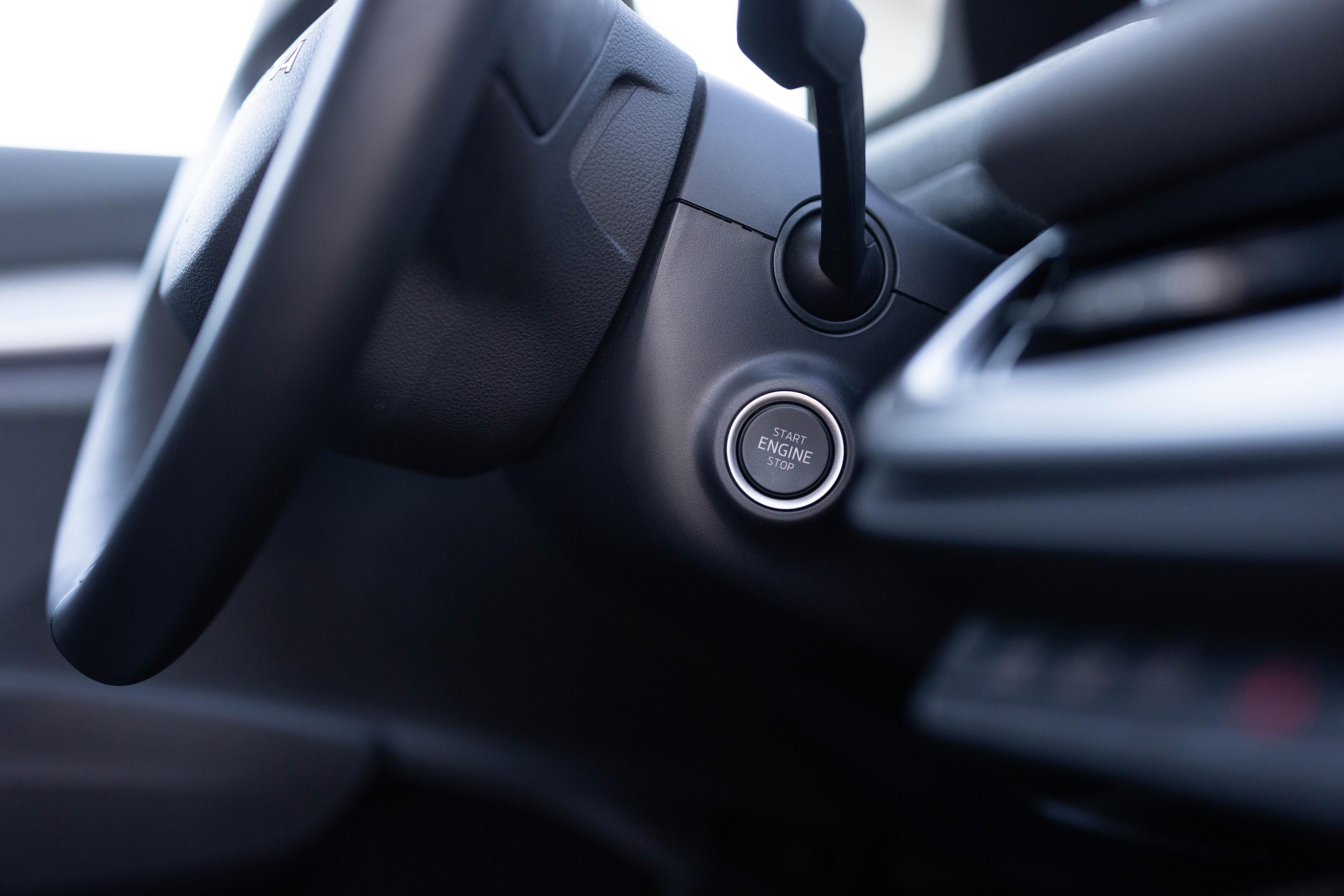
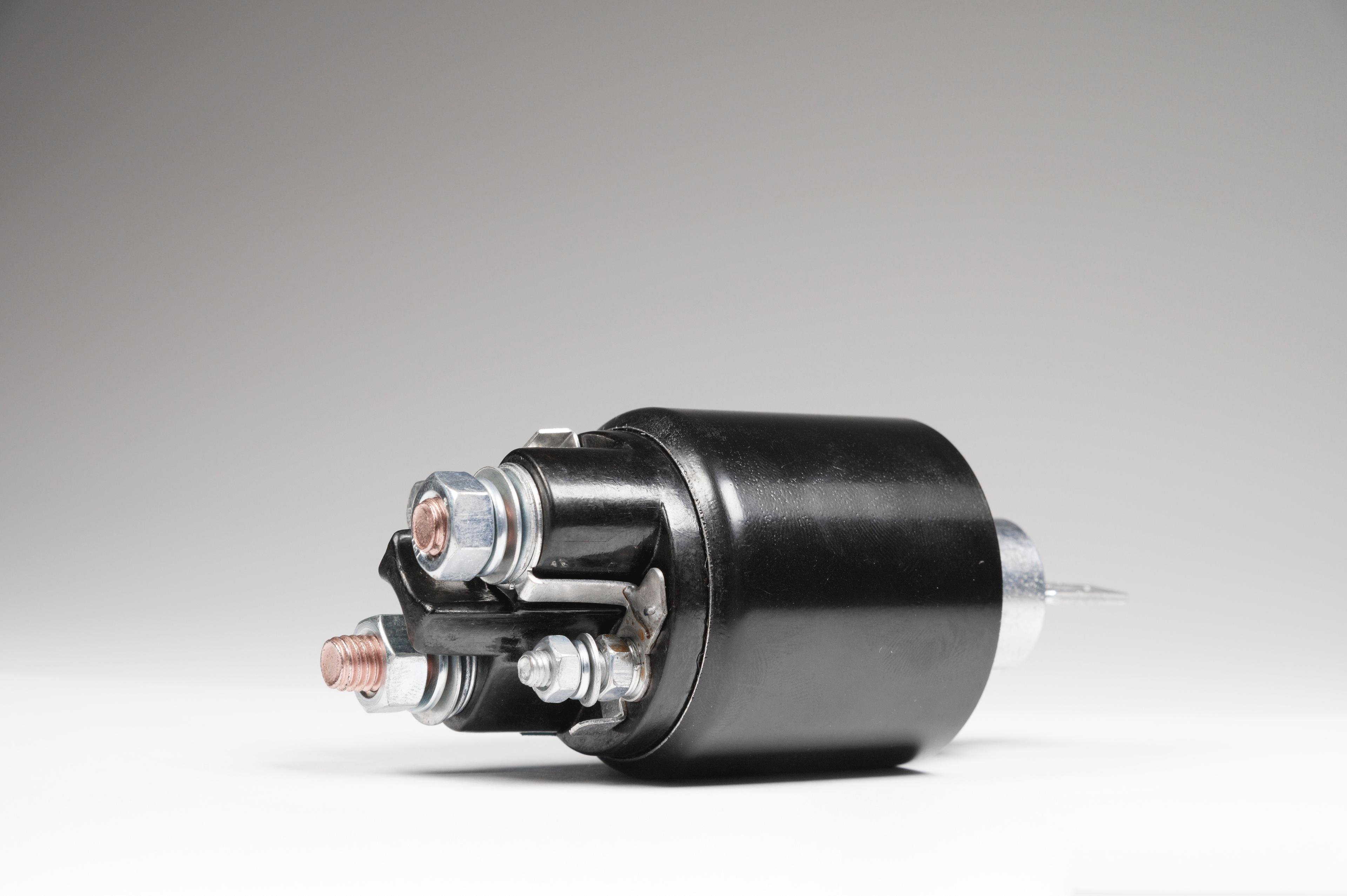
Starter motors power the combustion engine. They are like the electric motors that turn your engine on when you switch the ignition.
The starter motor requires a lot of torque to turn the engine at such fast speeds, pulling fuel and air into the cylinders to compress them simultaneously.
The starter is found on the driver's side of the engine. Typically, it's just beneath the left bank of cylinders.
How do you know if your starter motor has gone?
There are a few key signs your starter motor has gone.
If your car won't start and you hear a clicking sound when trying to turn it on, the most likely cause of this is a dead starter motor.
In addition to hearing a clicking noise, you might smell something burning from under the hood. This is typically caused by an electrical short in the starter motor, which can be due to wear and tear over time.
Here’s a complete list of signs your starter motor has broken:
Something sounds off (e.g. a clicking sound or a whirring noise)
Your dashboard lights work but you don’t have any engine power
Your engine doesn’t work after a jumpstart
There’s smoke or a burning smell coming from your engine
Replacing the starter motor will usually solve these issues, but it comes at a cost, so make sure you know how much it may cost before committing to any repairs.
What causes starter motor problems?
Common starter motor problems are caused by age and faulty parts. Here’s a quick overview of other possible causes:
Loose wiring around the starter motor
Corroded connections around the starter
Aged or worn-out parts of the starter
Oil leaks around the starter system
Bad relay
If you suspect your vehicle has any of these issues, consult a garage for professional advice.
How long does a starter motor last?
The average lifespan of a starter motor is around 5 years or 50,000 miles. However, this can vary depending on how well-maintained your car is and how much wear and tear your starter motor experiences.
Can you extend your starter motor’s life?
Yes, you can and should check and maintain your starter motor. This keeps you safe while on the road and protects your finances from surprise repair costs.
To extend the life of your starter motor, you can:
Ensure that your car’s battery is regularly checked and maintained
Repair any worn or damaged components ASAP
Avoid overloading the starter by turning off unnecessary lights or A/C functions
Park in sheltered areas (e.g. garages) to protect your car from extreme weather and temperatures
Warm up the engine in colder weather to reduce stress on the battery
Can you jump start a car with a faulty starter motor?
A jump start can help if your car won’t start due to a weak or flat battery, but it won’t fix a faulty starter motor.
Both issues can result in the engine failing to turn over, but if the starter motor is the problem, you may still hear a clicking sound or nothing at all when you try to start the car, even after jump starting.
In this case, the issue isn’t power supply from the battery, but the starter motor’s inability to engage the engine.
Pro Tip: If your car starts after a jump start, the battery is more likely the issue. If it still refuses to start, the starter motor could be at fault.
Starter motor vs battery problems: How to tell the difference
Starter motor and battery issues often produce very similar symptoms, which is why they are frequently confused.
A battery problem usually shows up as:
Dim or flickering dashboard lights
Slow engine cranking
The car starting after a jump start
A starter motor issue, on the other hand, often includes:
A single click or repeated clicking when turning the key
No engine turnover at all, even with a charged battery
Occasional starting followed by sudden failure
How long does it take a mechanic to replace a starter motor?
On average, it takes a mechanic around 2 hours to replace a starter motor. This time may differ depending on the garage and your car model.
How is a car starter motor repaired?
To access the starter motor, components like the battery, alternator, and engine covers often need to be removed, which can take time depending on the vehicle layout.
Once exposed, the faulty starter can be replaced and the new unit connected to the wiring system and secured in place.
After installation, a final check of surrounding components is recommended to ensure everything is working correctly and no related parts have been affected.
What happens if you ignore a faulty starter motor?
Ignoring a faulty starter motor will not affect your car while it is running, but it will eventually lead to starting failure at the worst possible time.
Over time, symptoms usually become more frequent until the car fails to start completely and requires emergency repairs.
In some cases, continued attempts to start the vehicle can also place extra strain on the battery and electrical system, potentially increasing overall repair costs.
For this reason, Bumper urges readers to address starter motor issues early rather than waiting for a complete failure.
Can you replace a starter motor yourself?
While it is technically possible to replace a starter motor yourself, it is generally not recommended unless you have strong mechanical experience.
Mistakes can lead to further damage or incorrect installation, which may prevent the car from starting at all. If in doubt, call a mechanic!
Does insurance cover starter motor replacement?
In most cases, standard car insurance does not cover starter motor replacement, as it is considered a mechanical wear-and-tear issue rather than accidental damage.
However, it may be covered if:
The failure is caused by a specific insured event (e.g. fire or flood damage)
You have a separate mechanical breakdown cover policy
Some breakdown or extended warranty products may include starter motor faults, so it’s worth checking your specific policy details before getting in contact with a garage.
Is it safe to drive with a faulty starter motor?
Once a vehicle is running, you don’t rely on the starter motor, so there’s usually no immediate danger if it fails while driving.
However, once you stop, you may struggle to restart the engine because starting requires more power than normal operation.
We don’t recommend relying on workarounds like bump-starting or parking on slopes. A faulty starter motor should always be properly repaired or replaced to ensure reliable starting.
Replacing a starter motor can be expensive, but with regular maintenance, you can extend its life and reduce the need for costly repairs.
Final thoughts
Researching potential car repairs is no one’s idea of a good time, but we hope this blog has made your starter motor repair easier to understand. Consider shopping around for different rates before settling on one garage, and make sure your vehicle is 100% road-safe before you drive.
Split the cost with Bumper
Here at Bumper, we know a hefty car repair bill for a starter motor is probably the last thing you want to spend your money on, but essential parts such as these are crucial for you and your family’s safety.
Look after your car and your bank balance by splitting the cost of repairs into monthly instalments, interest-free. Apply for car repair finance.
Join the Bumper community and get access to the best care for you and your car. Choose a dependable dealership and split your repair bill into monthly chunks.

Split your car repair cost over monthly repayments interest-free.
Split the cost of your next repair
Other related articles from our blog

Advice
2 min read
This summer car washing method could be wrecking your vehicle
Every driver wants to have a clean car, but washing your car with this popular summer method could lead to premature ageing of the vehicle's tyres.
Advice
2 min read
Everyday driving mistake that could cost you thousands
Drivers are discovering that a simple driving habit could land them a big fine. Discover more about the everyday driving mistake that could cost you thousands.
Advice
5 min read
Tyre Replacement Cost Guide: £45 to £250+ (2026)
Tyre replacement costs range from £45 to over £250 for British drivers. See a list of tyre change costs and find out what your car needs online with Bumper.


