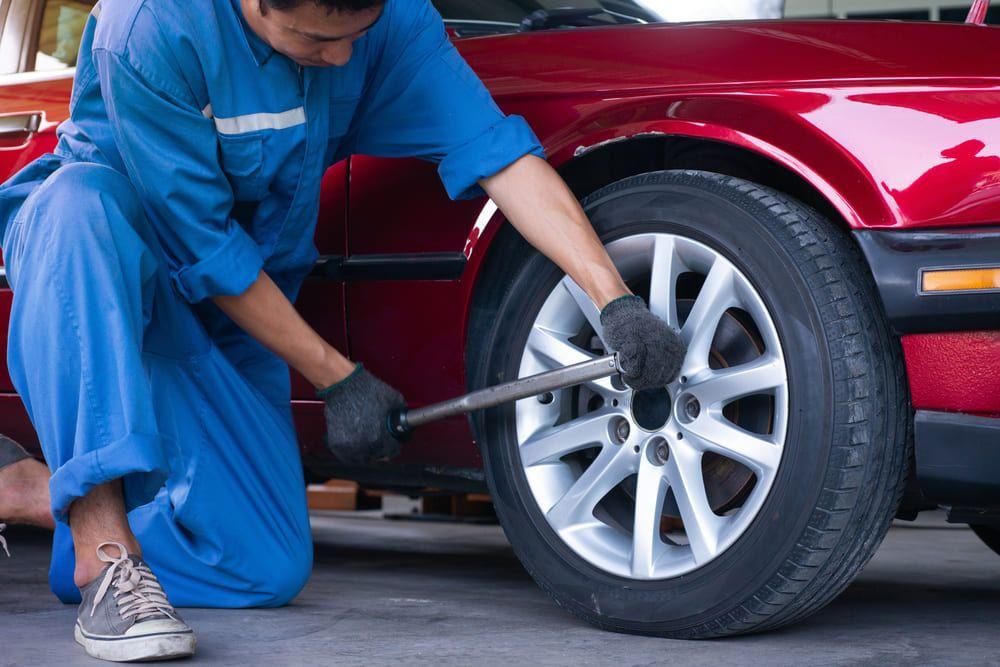
How Much Does It Cost To Replace Wheel Bearings?
Wheel bearing replacement typically costs between £170 and £400.
Wheel bearings let your car’s wheels rotate with minimal friction. They are vital for safety and must be replaced immediately if they fail.
Unsure when wheel bearings need replacing? Concerned about the cost? Or just want to know how they work? Here’s a simple guide to wheel bearing replacement costs and other common FAQs.
Key takeaways
How much does it cost to replace wheel bearings?
On average, it costs between £170 and £400 to replace wheel bearings in the UK.
Wheel bearing replacement costs vary as labour rates differ between garages. Some bearings cost more but take less time to fit. Luxury cars usually have higher parts prices.
Whatever your cost, you can use car repair finance to split the fee into interest-free monthly repayments.
Costs for different types of wheel bearings
You can estimate your wheel bearing cost depending on the type you buy. Here’s a quick overview of the different price brackets:
Type of Wheel Bearings | Approximate Cost Per Wheel Bearing |
|---|---|
Standard Wheel Bearings | £100 to £300 |
High-Performance Wheel Bearings | £200 to £500 |
OEM (Original Equipment Manufacturer) Wheel Bearings | £300 to £700 |
How much are wheel-bearing parts?
Wheel bearing replacements are the same for most vehicles, so parts are usually affordable, and most garages know the job well. Parts cost £30 to £250, plus labour.
It’s usually cheaper to replace a bearing on a non-driven axle, as fewer parts need removing. On most front-wheel drive cars, the rear bearings cost less. The final price depends on the parts your car requires.
Cost of wheel bearing replacements by car type
Wheel bearing replacement costs vary depending on whether your car is front-wheel, rear-wheel or four-wheel drive.
The table below shows the typical price ranges.
Vehicle Type | Front Wheel Bearing Cost | Rear Wheel Bearing Cost |
|---|---|---|
Front-wheel drive | £200 – £400 | £150 – £300 |
Rear-wheel drive | £150 – £300 | £200 – £400 |
Four-wheel drive | £200 – £400 | £200 – £400 |
Wheel bearing replacement costs by location
The cost to replace a wheel bearing in the UK varies based on location. Urban areas with higher demand and overheads tend to have higher prices, but this rule isn't always fixed.
Below is a breakdown of average costs by city:
Region | Average Cost Range |
|---|---|
London | £200 – £400 |
South East | £180 – £350 |
South West | £170 – £330 |
Midlands | £160 – £320 |
North East | £150 – £300 |
North West | £160 – £310 |
What is a wheel bearing?
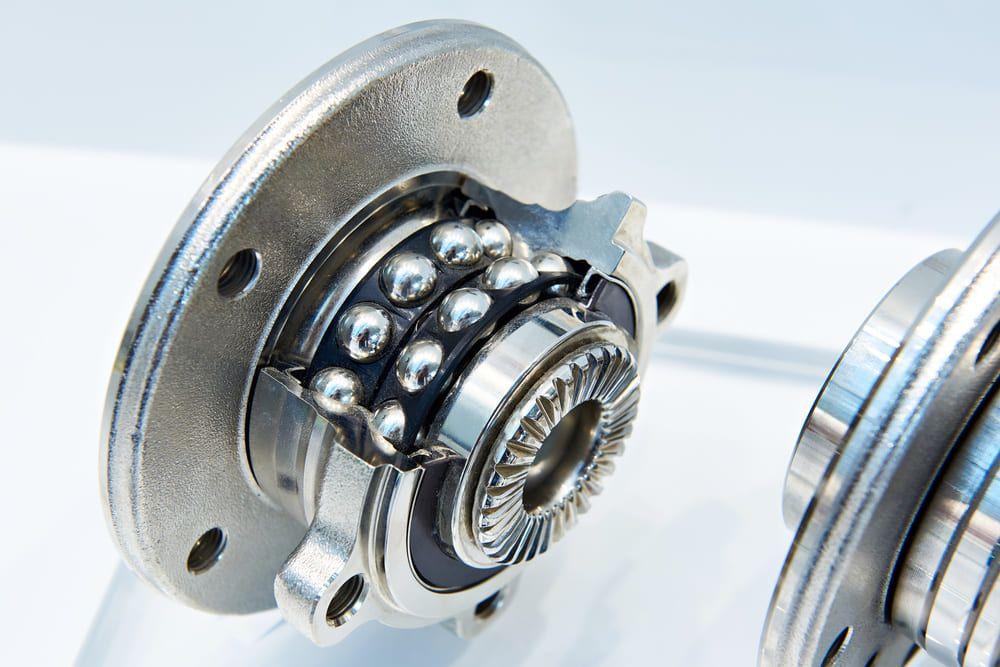
Wheel bearings allow car wheels to rotate with minimal friction. Made of races and balls, they handle the forces of bumps and turns.
Modern bearings often come as modular units for easy replacement, while older designs may require hydraulic presses to remove and fit them.
How long do wheel bearings last?
Wheel bearings last between 75,000 and 100,000 miles. The total lifespan depends on driving frequency and road conditions. They don’t need regular replacement, but will wear over time.
Consider having them checked at your next service, as all cars eventually need wheel bearing replacement due to standard wear and tear.
Should I replace all 4 wheel bearings?
It’s good practice to replace all four wheel bearings at once, but it’s not mandatory.
Usually, only the worn or damaged bearings are replaced, unless your vehicle has very high mileage or shows widespread wear. Some garages may suggest you replace them in pairs.
How to tell which wheel bearing is bad?
A droning noise that grows with speed often signals a failing wheel bearing.
Finding the exact one requires further checks. See below for how to examine wheel bearing issues.
Front or Back
Noise is usually the best way to identify a worn wheel bearing.
In modern cars, a passenger can listen from different seats. Louder noise when braking often indicates a front bearing issue.
Right or left
Once you know the general location of the faulty bearing, you can pinpoint the side.
Drive at 40 mph or more on an empty road and drift left and right. Noise when drifting left suggests the right bearing, and vice versa.
Symptoms of a bad wheel bearing
While a mechanic will be best placed to properly diagnose your wheel bearing issues, there are some symptoms to look out for.
Here are four signs drivers need to know:
1. Noise
Worn wheel bearings often produce a constant droning or scraping noise.
Because they support the wheels, noise may change with speed. If the sound stays the same at different speeds, it’s likely not the bearings.
2. Heat
Faulty bearings generate extra friction, making the wheel hotter after driving.
You can carefully check for a warmer wheel, as this may indicate a bearing issue. However, avoid touching parts immediately after heavy braking, as they may be extremely hot.
3. Tyre wear and steering
Worn bearings allow wheels to move side to side, affecting steering and causing uneven tyre wear.
If your car pulls or feels unstable while steering, and you notice other signs, have the bearings checked promptly.
4. Movement in the wheel
Excess wheel play when pulled during an MOT often signals a failing bearing.
You can test this yourself with care, but a garage can check it quickly and safely, often as part of a free wheel alignment or bearing inspection.
Garages, such as Halfords, offer free alignment and bearing checks.
What happens if a wheel bearing fails?
Wheel bearings usually give warning signs before failing, but ignoring them can be dangerous.
The wheel hub, held by the hub nut, keeps the wheel and hub on the axle. If a bearing fails completely, the hub cannot hold the wheel, which can detach, causing loss of control and a serious risk of injury.
Is it worth replacing wheel bearings?
Yes, replacing wheel bearings is essential for passenger safety and vehicle performance.
Worn bearings can cause noise, uneven tyre wear, and even wheel detachment, so timely replacement protects both your car’s value and those on the road.
Can you drive with a damaged wheel bearing?
Driving with a damaged wheel bearing is risky. You shouldn’t unless you’re driving to the garage.
In severe cases, the wheel could detach, creating a serious safety hazard. It may also cause damage to the wheel axle and hub.
The takeaway
Wheel bearings may last a long time, but any new noise or symptom should be checked promptly. This guide has covered how much to replace wheel bearings and common questions.
When in doubt, consult a professional mechanic for a safe solution. Never tamper if you’re not sure what you’re doing!
Split the cost with Bumper
Don’t face last-minute repair costs alone.
With Bumper’s car repair finance, you can split the cost of repairs into monthly payments at no extra cost.
Apply online for up to £5,000 and choose from 1,000s of trusted repairers.

Split your car repair cost over monthly repayments interest-free.
Split the cost of your next repair
Other related articles from our blog

Advice
3 min read
Scientific method that instantly cools down your car – plus top tips for keeping your car cool
Discover the scientific method that cools your car down in just seconds – plus, check out our top tips for keeping your car cool in hot weather.
Advice
8 min read
How Much Does An Electric Car Battery Cost? (2026)
Electric car battery replacement costs range from £5,000 to £15,000 in 2026 for UK drivers. See a full breakdown of costs and costs for popular EVs online now.
Advice
7 min read
How Much Does A New Car Battery Cost? From £100 (2026 Prices)
Car battery replacement costs sit between £100 and £400 in 2026 for UK drivers. See a list of car battery replacement prices online via Bumper.


