How Much Does It Cost To Replace An Alternator? £250 to £750+ (2026)
Alternator replacement costs in the UK range from £250 to £750.
If your engine won’t start or you have a dead battery, your alternator may need replacing. This guide covers everything you need to know.
From the average labour and parts cost to finding a suitable garage, you’ll find answers to all common alternator replacement queries in 2026. Scroll down to learn more now.
How much does an alternator cost?
The average cost of a new alternator is between £250 and £750, with the average price being around £525 in 2026.
The cost to replace an alternator depends on the car model and make, as well as the labour cost to replace the alternator in the UK. It works out at, on average, £150 to £250 pounds for the mechanic's time.
Here’s a breakdown of alternator repair costs per car type:
Type of alternator | Typical cost (parts + labour) |
|---|---|
Basic / entry-level (smaller petrol cars) | £250 to £400 |
Mid-range (most common UK vehicles) | £350 to £600 |
Premium / OEM (Luxury vehicles) | £550 to £900+ |
Labour cost only | £150 to £250 |
Average alternator costs per top 10 most popular car models
How much is an alternator for your car? See the top ten UK car model costs in 2026 below.
Car Model | Average New Alternator Cost |
|---|---|
BMW 1 Series | £600 to £800+ |
BMW 3 Series | £650 to £850+ |
Ford Fiesta | £400 to £550 |
Ford Focus | £420 to £580 |
Range Rover Evoque | £700 to £950+ |
Nissan Qashqai | £450 to £650 |
Vauxhall Astra | £450 to £600 |
Vauxhall Corsa | £420 to £580 |
Volkswagen Golf | £480 to £650 |
Volkswagen Polo | £450 to £600 |
Average alternator costs per top 10 car manufacturers
To help give you an idea of average costs in the UK for alternators, we've rounded up different cost estimates for both economical and luxury vehicles.
See the table below for approximate alternator prices in 2026:
Car Make | Average New Alternator Cost |
|---|---|
Audi | £550 to £750 |
BMW | £650 to £850+ |
Fiat | £300 to £450 |
Ford | £380 to £550 |
Mercedes | £650 to £900+ |
Peugeot | £450 to £650 |
Range Rover | £700 to £1,000+ |
Toyota | £400 to £600 |
Volkswagen | £450 to £650 |
Volvo | £550 to £750 |
If you're worried about an expensive car repair bill, then Bumper can help split the cost with interest-free car repair finance.
Is an alternator expensive?
Alternators are one of the more expensive car parts to repair or replace. The average cost sits around £400 to £500, and it can go up depending on your car’s age, needs, make, and local garage prices.
If you own a premium car, this cost can easily exceed £750 depending on the complexity of the replacement and rarity of the car parts.
Can an alternator be repaired or does it need replacing?
In some cases, an alternator can be repaired, but this depends on the nature of the fault.
Minor issues such as worn brushes, damaged wiring, or faulty connections may sometimes be fixed without replacing the full unit.
However, in most situations, alternators are replaced rather than repaired. This is because:
Labour costs are similar for repair and replacement
Internal components are often sealed or difficult to access
Replacement is usually more reliable long-term
As a result, full replacement is the most common solution for a failing alternator.
Pro Tip: Bumper suggests consulting a mechanic for an assessment if you’re unsure what your car requires.
How long does it take to replace an alternator?
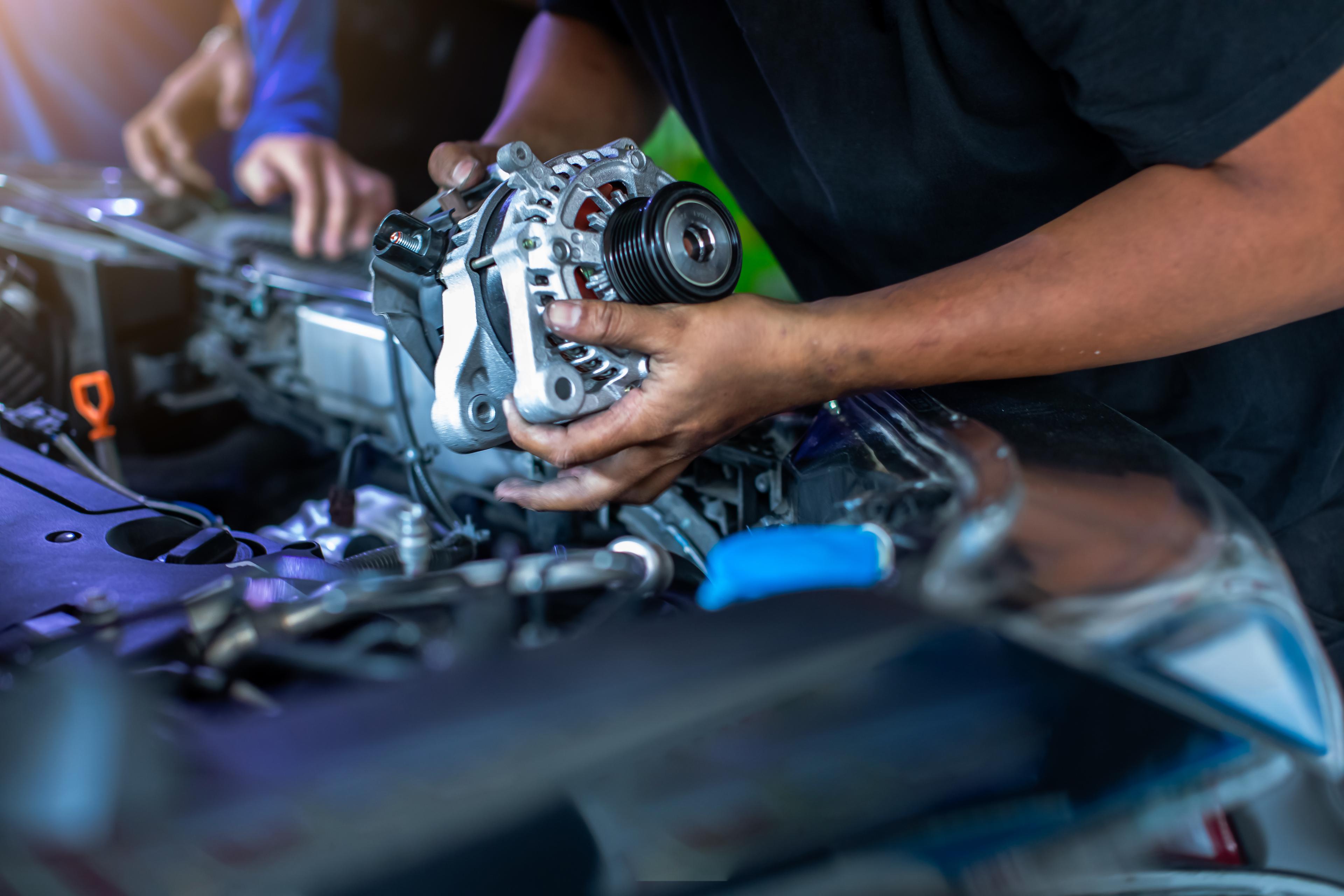
Alternator replacement times in a reputable garage should take between 1 hour to 2.5 hours, with an average of just over one hour.
This average depends on the car, and other factors may cause the repair to be delayed. For example, other repairs may be needed, or the team might need to order specific parts. So, alongside asking how much is an alternator replacement, make sure you get a clear answer on replacement times.
Can the AA fix an alternator?
The AA can help with alternator issues, but they can’t completely replace it on the roadside.
If called, the AA can offer temporary assistance, such as jump-starting your car to help you get on the move again. However, if your alternator is dead and needs a full replacement, they will help tow you to a nearby garage for repairs.
How long does an alternator last?
On average, alternators last between 80,000 to 150,000 miles. The distance ultimately depends on factors such as driving conditions and the quality of the alternator.
Harsh weather or high temperatures can reduce an alternator’s life, and lower-quality parts won’t last as long as sturdy alternatives. Likewise, regular driving and many short trips can stress the alternator more, leading to a smaller lifespan.
What does an alternator do in a car?
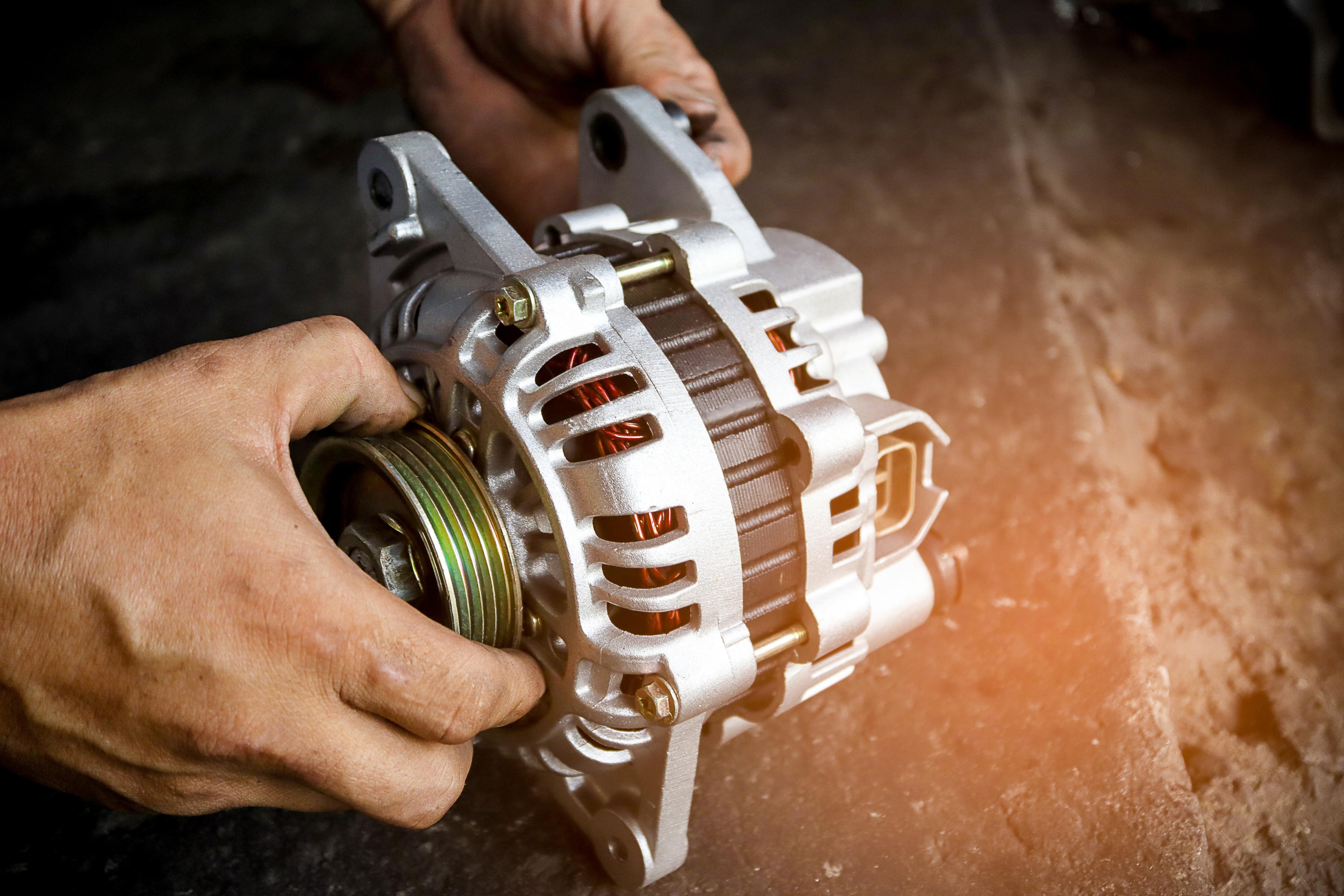
An alternator is an electrical device that converts mechanical energy into electrical energy in an internal combustion engine. It is typically found in cars, trucks, and other vehicles.
Don't worry if you're not 100% sure what an alternator does. Many only discover this part when it needs repairing.
The alternator is powered by a belt connected to the car engine, creating an alternating current of electricity when it spins. The electricity from the alternating current is then used to charge the car's battery and power the car's electrical system.
How do you tell if it’s the alternator or the battery?
Alternator and battery issues can cause very similar symptoms, which is why they are often confused. However, there are a few key differences that can help you narrow it down.
A battery issue is more likely if the car starts after a jump start, lights and electronics are dim or weak, or the battery repeatedly goes flat.
An alternator issue is more likely if the engine stalls shortly after starting or electrical systems fail while driving. It could also be the alternator if the battery warning light appears on the dashboard even after charging.
Can I carry out the alternator replacement myself?
No. It's best to leave alternator replacements to a qualified mechanic. While replacing an alternator yourself is possible, it is a complicated job requiring specialist tools.
You might save money on labour costs, but the risks don't outweigh the benefits. You need special tools for a start, and then, on top of all the expert mechanical knowledge needed, you might damage other components, making it more expensive in the long run!
What causes an alternator to fail?
Alternators usually fail due to wear and tear over time, but several specific issues can speed up the process.
Common causes include:
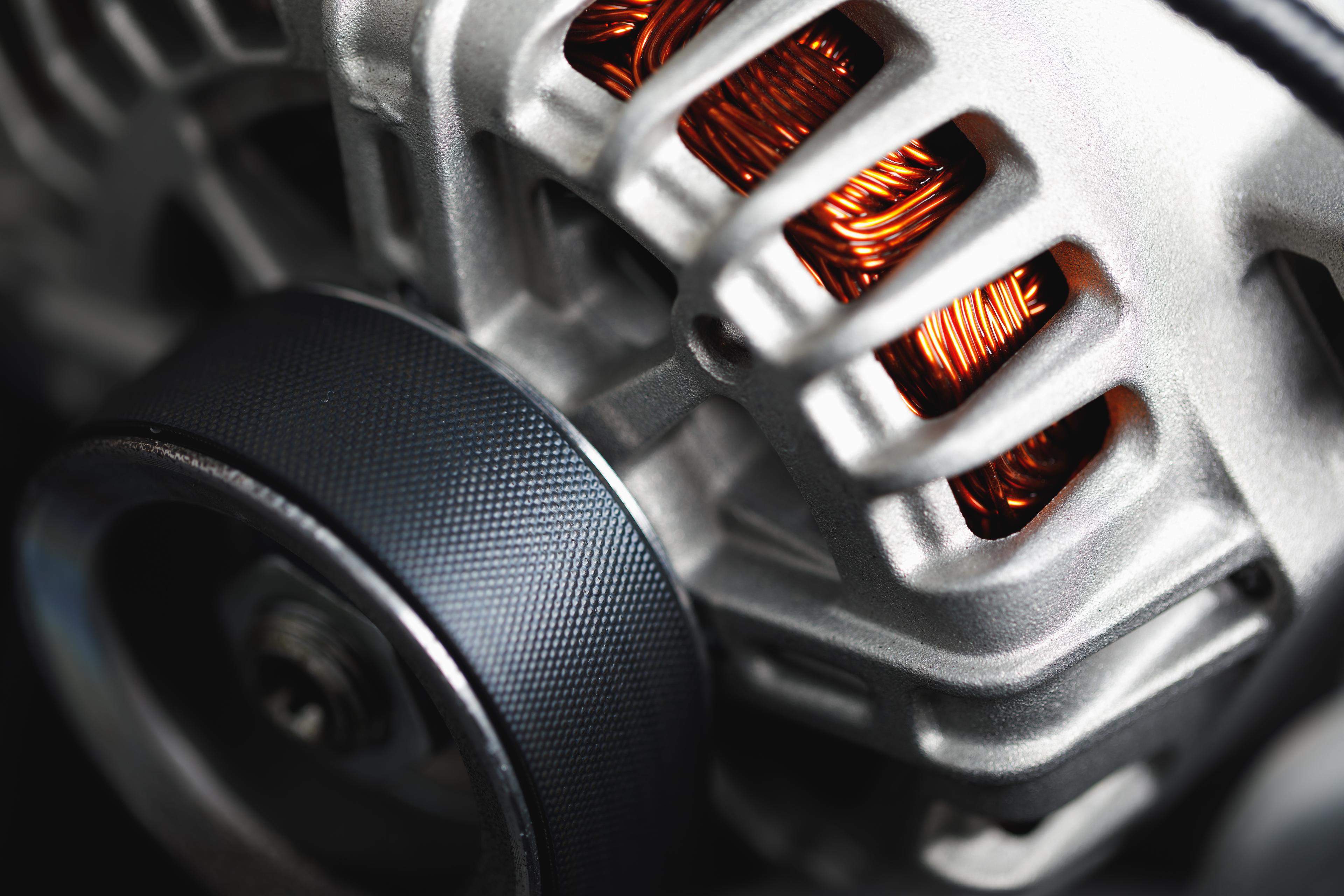
Worn internal components such as bearings or brushes
Electrical faults or damaged wiring
Overloading from excessive electrical demand
Belt problems affecting alternator rotation
Exposure to heat, moisture, or oil leaks
It’s also worth noting that as alternators age, their ability to consistently charge the battery decreases, eventually leading to failure. Unfortunately, this issue cannot always be avoided.
Regardless, Bumper reminds drivers to stay on top of routine maintenance and to drive responsibly.
What are the symptoms of a failing alternator?
Are you unsure if your alternator is failing? We’ve gathered the top signs that you need a repair to help you determine what’s going on with your vehicle.
Symptoms of a failing alternator include:
Dim or flickering lights
Engine not starting or stalling regularly
Dead Battery
The smell of burning rubber or wires
Strange growling noises from the alternator
Battery warning light illuminated on the dashboard
Slow cranking when starting the car
If your car is experiencing any of the symptoms of a failing alternator, it is recommended to have your alternator checked by a qualified mechanic as soon as possible.
Is it worth fixing the alternator?
The decision to repair or replace your alternator requires careful consideration. Replacing an alternator can be expensive, and many drivers, understandably, want to save money where possible.
However, if you are mechanically inclined and have the right tools, you may be able to save some money by replacing the alternator yourself. Please only attempt this if you are very experienced with cars.
On the other hand, if it’s a relatively new car with a complex electrical system, it may be better to leave it to professionals.
Ultimately, whether it is worth fixing your alternator really depends on how much money you have available and how comfortable you are tackling such a job yourself.
Can you drive with a faulty alternator?
No. We don't recommend driving a car with a faulty alternator, as it can damage other components and even lead to further damage to the engine due to a lack of power. This will leave you with higher repair costs and an unsafe vehicle.
A faulty alternator can cause various electrical issues within the car, which might not have caused such a problem thirty years ago. Still, most cars rely on electricity and computer components to run smoothly.
What’s more, a faulty alternator won’t be able to keep your car’s battery charged sufficiently, which can cause your fuel injectors to fail and your engine to stall.
How to find alternator repair near me
A quick Google search can help you find a reputable garage for alternator repairs. However, always look at genuine customer reviews and shop around for different prices before deciding on one garage.
You can also ask friends and family for word-of-mouth recommendations. This can help you find garages that provide good experiences without wading through pages of internet marketing.
Bumper has a handy search tool that connects you with verified local garages. To get started, enter your vehicle registration on our homepage.
Alternator repair costs - Final thoughts
Hopefully, this blog has helped you estimate your alternator repair costs and provided some useful information about the service. Save this page so you can revisit the FAQs and approximate costs before you book your service.
Split the cost with Bumper
Here at Bumper, we know a hefty car repair bill for an alternator is the last thing you want to spend your money on, but essential parts are crucial for you and your family’s safety.
Look after your car and your bank balance by splitting the cost of car repairs into monthly instalments with Bumper's interest-free car repair finance.
Join the Bumper community and get access to the best care for you and your car. Choose a dependable dealership and split your repair bill into monthly chunks.

Split your car repair cost over monthly repayments interest-free.
Split the cost of your next repair
Other related articles from our blog

Advice
2 min read
This summer car washing method could be wrecking your vehicle
Every driver wants to have a clean car, but washing your car with this popular summer method could lead to premature ageing of the vehicle's tyres.
Advice
2 min read
Everyday driving mistake that could cost you thousands
Drivers are discovering that a simple driving habit could land them a big fine. Discover more about the everyday driving mistake that could cost you thousands.

Advice
5 min read
Tyre Replacement Cost Guide: £45 to £250+ (2026)
Tyre replacement costs range from £45 to over £250 for British drivers. See a list of tyre change costs and find out what your car needs online with Bumper.


