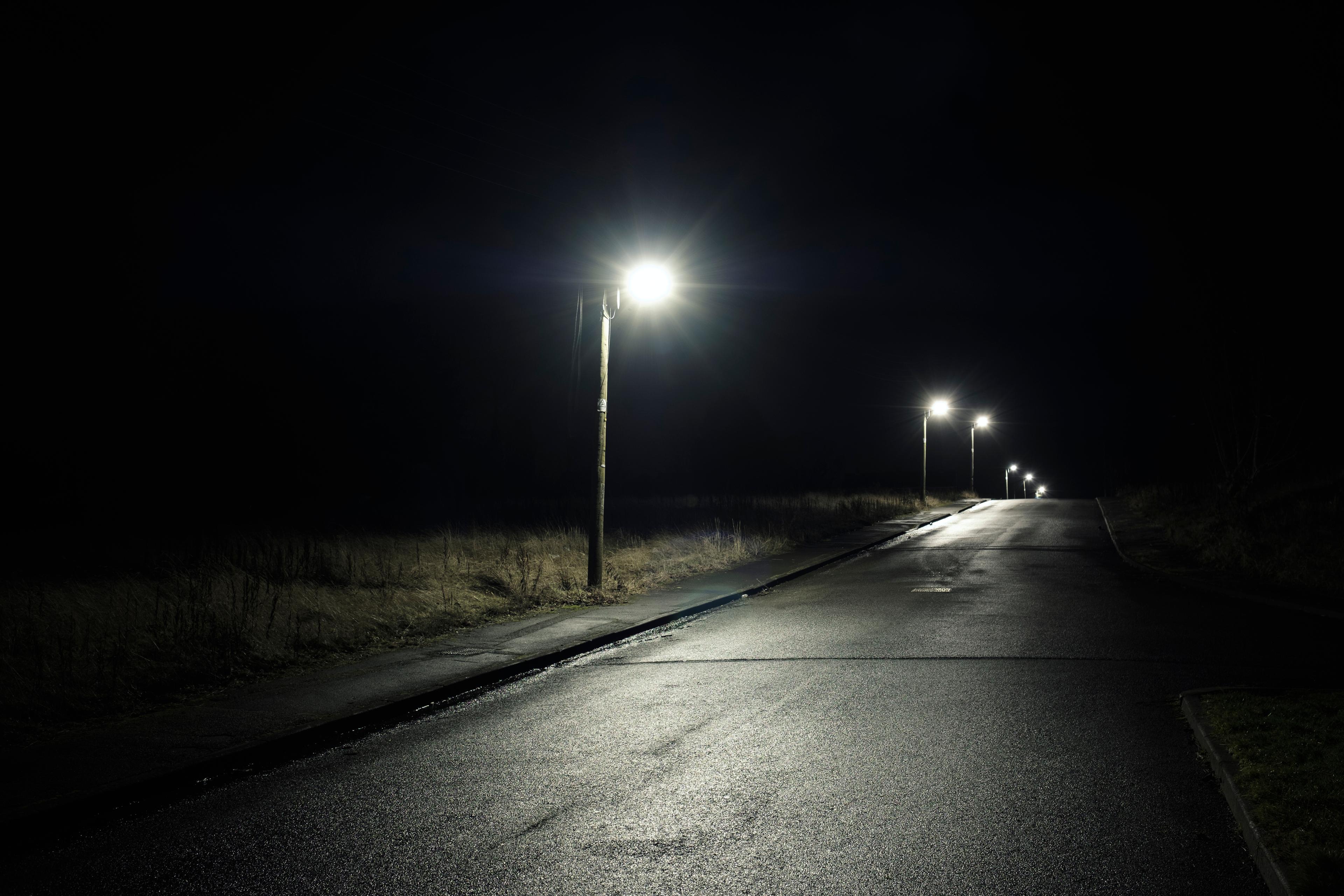
Why the clocks going back could mean a big problem for drivers
The clocks will go back by one hour this Sunday, and the darker evenings could spell disaster for some drivers.
From October to December, there is a substantial increase in the risk of deer collisions due to the end of daylight saving time and the annual breeding season for red, sika and fallow deer.
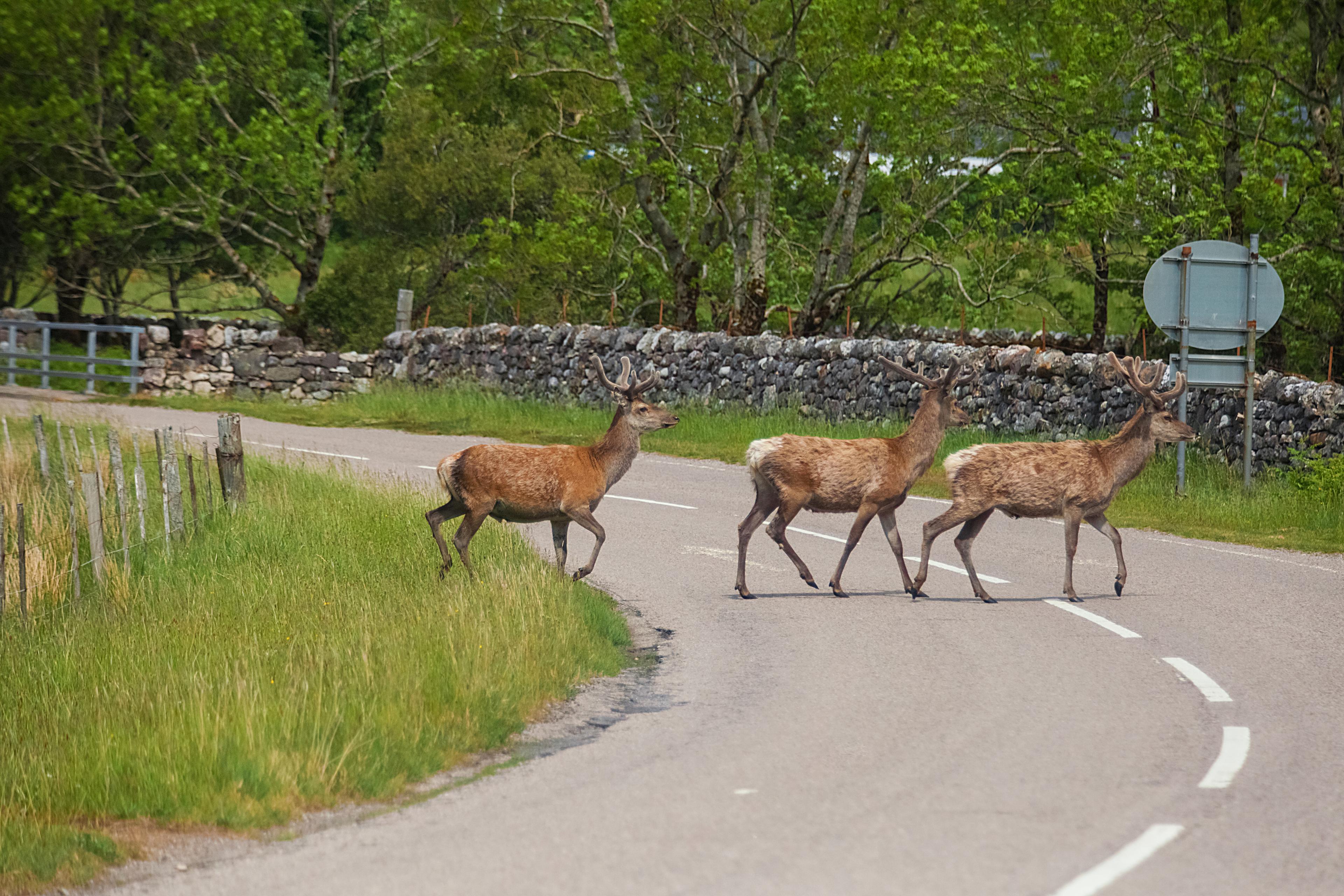
Previously released research from the DeerAward campaign found that the risk of drivers having collisions with deer after the clocks go back increased due to reduced visibility during a time when deer are most active.
National Highways Head of Road User Safety Jeremy Phillips previously said: "As the clocks go back this weekend, journeys next week may feel different for many drivers even on familiar routes.
"This time of year we see an increase in the number of deer collisions and our advice is to take care while driving and look out for deer. Drivers may easily be caught unaware on roads they travel every day by the sudden appearance of deer in their path."
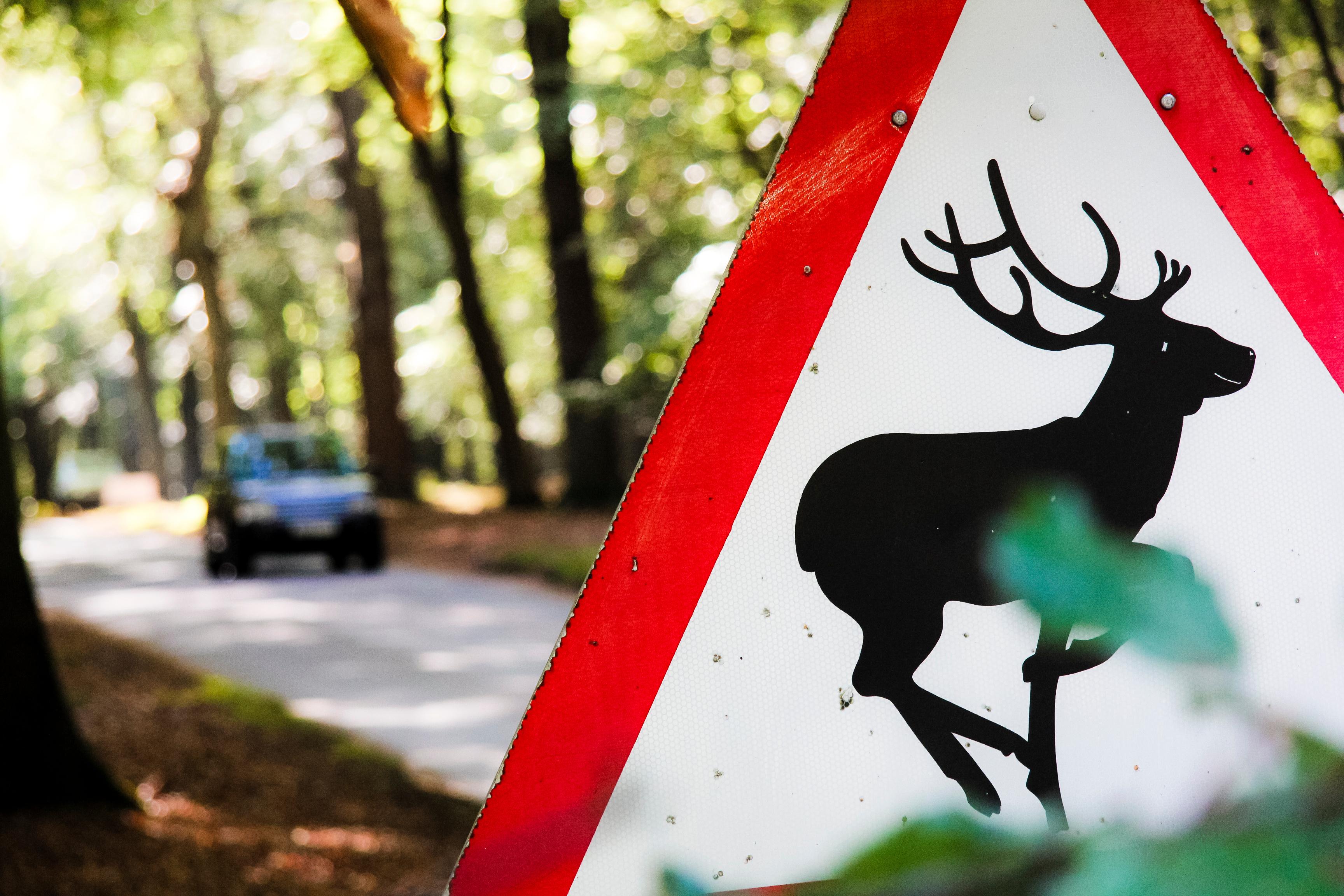
Drivers are urged to check their speed and stay alert when they see deer warning signs or when travelling through heavily wooded areas. If motorists see deer, it is best to turn full beams to dipped, as the bright lights may cause them to 'freeze' on the spot.

Split your car repair cost over monthly repayments interest-free.
Other related articles from our blog
Advice
2 min read
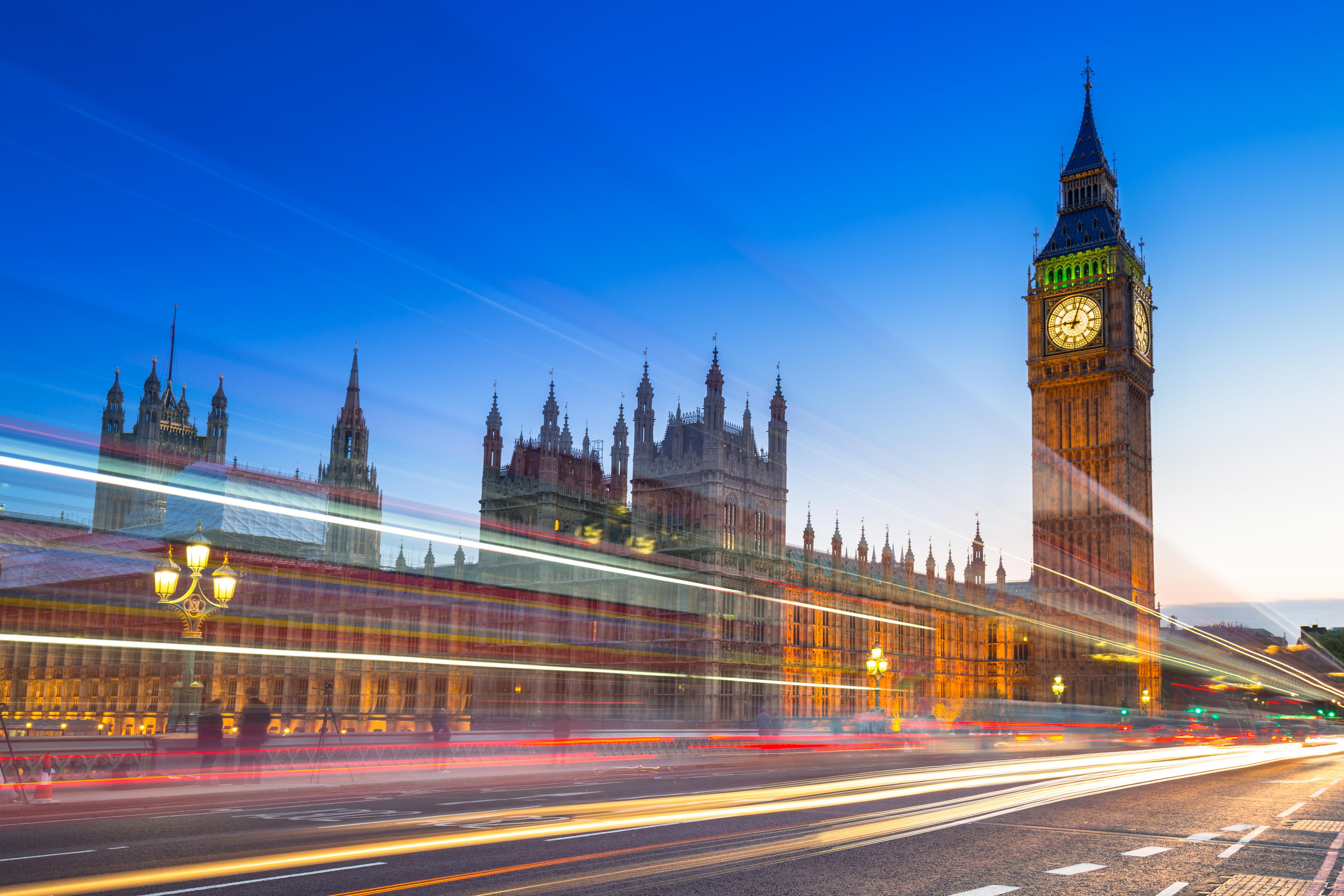
Andy Burham puts an end to 'rip-off' parking charges and scams
The Government's new Private Parking Code of Practice outlines plans to reduce the effect of inflated parking fines in private car parks. Learn more about the Government's new plans here.
Advice
3 min read
What the new Budget could mean for drivers: full list of potential changes
A full list of potential changes for drivers in the Government's upcoming Autumn Budget. What the new Budget could mean for the cost of fuel and EV ownership.
Advice
2 min read
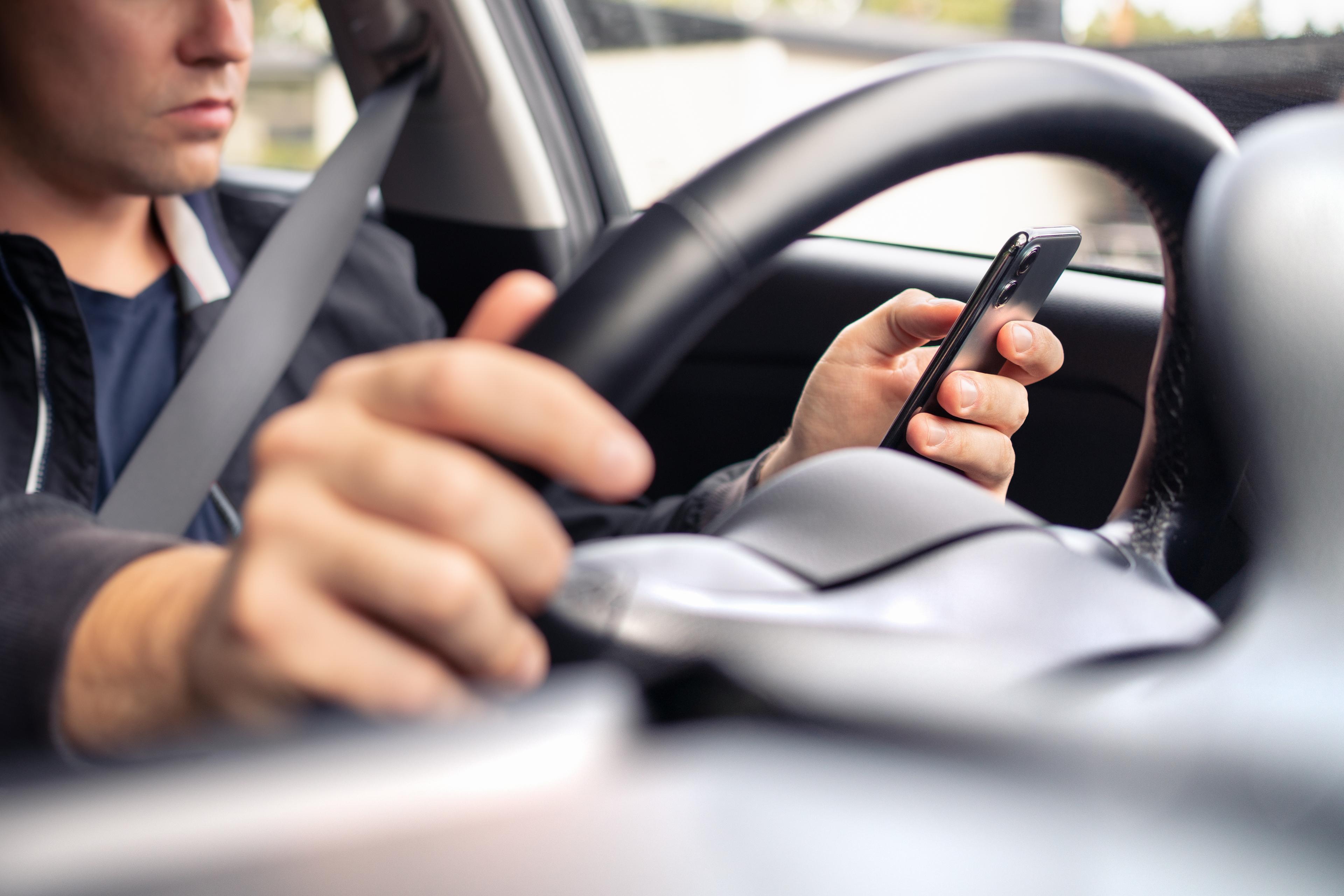
AI cameras flag nearly 20,000 potential driving offenses
A trial of AI cameras in the West Midlands caught over 19,000 potential driving offences within two weeks. The images captured show drivers recklessly using their mobile phones and not wearing seatbelts.


