Brake Disc Replacement Cost Guide (2026)
In the UK, brake disc replacement typically costs between £130 and £375 per axle, depending on the vehicle and parts used.
Brake discs work with the brake pads to slow your vehicle when you press the brake pedal. As the pads clamp onto the discs, friction is created, which reduces wheel speed and brings the car to a stop.
Over time, brake discs wear down due to heat, friction and driving conditions — and to keep your car safe, they must be replaced.
Here’s everything you need to know about brake disc replacement costs in 2026.
How much does it cost to replace brake discs?
Brake disc replacement costs vary depending on whether you are replacing the front, rear or all discs at once, as well as the type of vehicle you drive.
Luxury and performance vehicles tend to cost more due to larger discs and higher labour rates, and you’ll find Bumper’s 2026 cost estimates in the table below:
Service | Average cost |
|---|---|
Front brake disc replacement | £130 – £375 |
Rear brake disc replacement | £125 – £350 |
Front and rear brake disc replacement | £250 – £700+ |
Don’t forget that you can use a car repair loan to split the cost of repairs into interest-free repayments no matter the brake disc job.
Brake disc replacement cost per car type
Alongside, front vs rear, different vehicle sizes and weights affect brake disc replacement pricing.
In general, heavier vehicles place more strain on braking systems, which increases wear and replacement costs.
Here are some estimates to keep in mind when budgeting for replacements:
Car type | Average cost |
|---|---|
Small city car | £130 – £220 |
Hatchback / saloon | £180 – £300 |
SUV / 4x4 | £220 – £450 |
Luxury / performance | £350 – £800+ |
Brake disc replacement cost per make and models
You can also estimate brake disc prices based on averages for vehicle manufacturers.
As you may expect, premium brands generally have higher parts and labour costs. However, Bumper reminds readers that specific models can also have a big impact on cost.
Here are averages for popular UK car manufacturers.
Make | Average cost |
|---|---|
Ford | £199 |
Vauxhall | £203 |
Volkswagen | £198 |
BMW | £313 |
Mercedes-Benz | £284 |
Audi | £272 |
Nissan | £217 |
Toyota | £186 |
Front vs rear brake disc replacement costs
You can replace the front discs, the rear discs, or both sets.
Front brake discs usually wear faster because they handle most of the braking force. As a result, front disc replacement is often carried out earlier and can be slightly more expensive than rear discs.
Rear discs still wear over time, especially due to corrosion and age. They can also be affected by uneven braking, even when used less intensively.
What are signs of worn brake discs?
It can be tough to pinpoint worn brake discs, as they wear down over time. However, there are some general warning signs and Bumper recommends that UK drivers take note of the following.
Common warning signs include:
Vibration or shaking when braking
Steering wheel judder
Squealing or grinding noises
Car pulling to one side
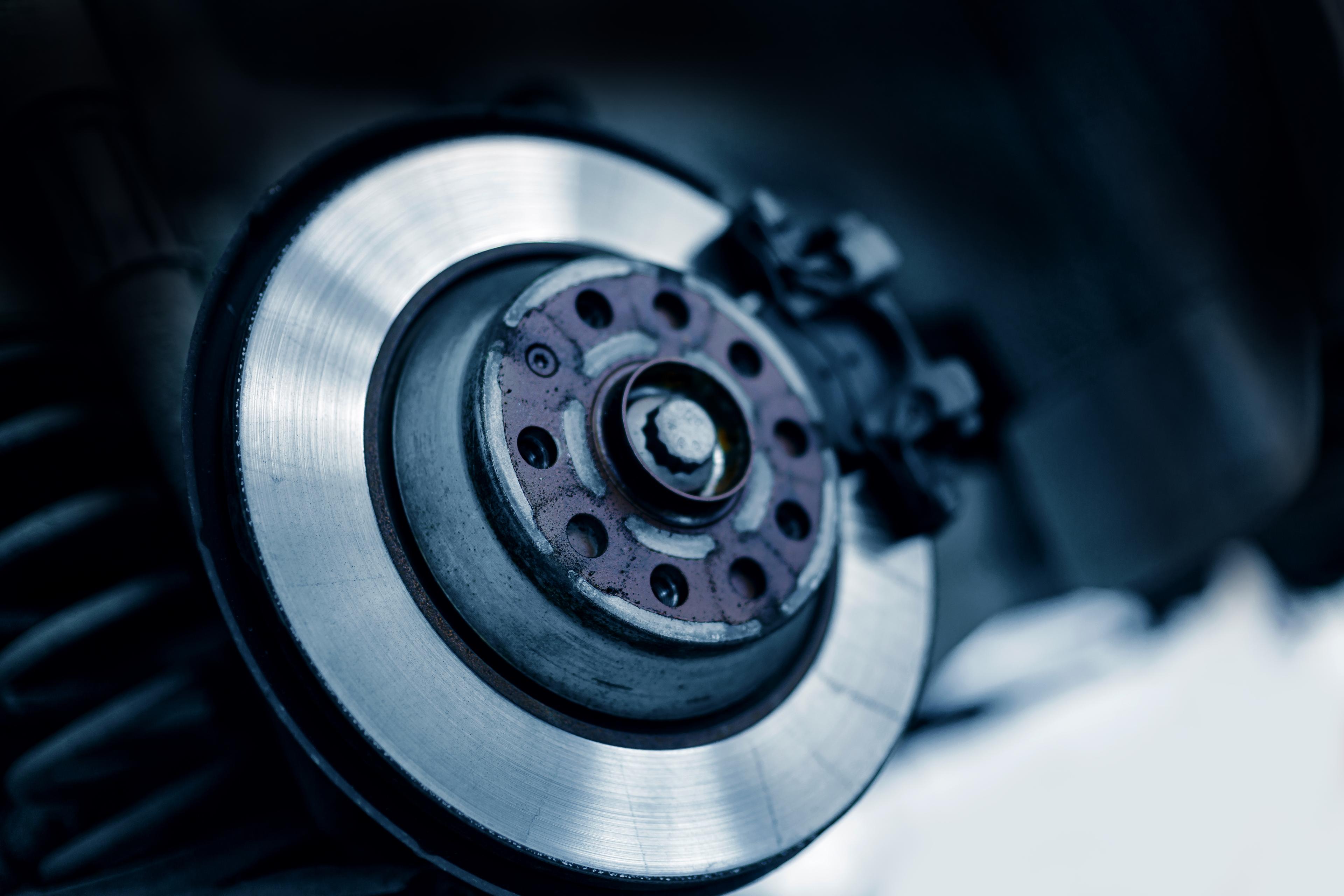
Visible scoring, rust or cracking on the disc surface
And if you notice any of these symptoms? It is important to get your brakes checked quickly to prevent damage and danger!
What causes brake discs to wear out?
Brake discs wear down due to a range of reasons:
Heat and friction from braking
Aggressive or frequent braking
City driving with constant stopping
Corrosion from wet UK weather
Heavy loads or towing
No matter the cause, as discs wear, they become thinner and less effective at dissipating heat, which reduces braking performance. Always get your car checked if you’re uncertain.
How long do brake discs last?
Brake discs typically last around 25,000 to 30,000 miles, though this varies with driving style and conditions.
Frequent stop-start driving, heavy braking, towing, or hilly routes can all significantly reduce lifespan. Motorway driving usually causes less wear, but you should still remain vigilant about brake health.
How long does brake disc replacement take?
Replacing brake discs typically takes 1 to 2 hours per axle. So, a full set replacement can take around 3 to 4 hours in total.
It’s worth noting that timing can vary depending on rust, seized components and vehicle design. For example, rusted discs or complicated or luxury vehicles may require more labour.
Should I replace all brake discs at once?
Not always. In most cases, discs are replaced by axles, meaning both front or both rear discs are changed together.
Pro Tip: An axle is one side of the car’s braking system that serves a pair of wheels.
Full replacement is usually needed only when all discs are worn evenly or are close to failure. Mechanics will normally advise based on condition rather than replacing everything by default.
Do brake discs need replacing with brake pads?
Brake discs do not always need to be replaced at the same time as brake pads, but it is often recommended. This is simply because replacing both together helps ensure even wear and avoids having to return to the garage twice.
However, if the discs are still in good condition, they can be safely reused with new pads. Your mechanic can advise what's best for your vehicle.
Can brake discs be repaired or resurfaced?
In most cases, brake discs are replaced rather than repaired.
While resurfacing is possible in limited situations, it depends on disc thickness and condition. If discs are too worn or damaged, replacement is the only safe option.
Can I drive with worn brake discs?
Driving with worn brake discs is not recommended. It can lead to reduced braking performance, longer stopping distances and increased safety risk.
Severely worn discs can also damage other braking components, increasing repair costs and maintenance time.
Bumper always suggests prompt repairs at the first sign of trouble!
What happens if you don’t change brake discs?
Ignoring worn brake discs can lead to:
Reduced braking efficiency
Brake fade under pressure
Damage to brake pads and calipers
MOT failure
Higher long-term repair costs
Early replacement helps avoid more serious issues. This is not a job to put off.
Are brake disc replacements covered by insurance or warranty?
Brake disc replacement is usually not covered by standard car insurance, as it is considered a wear-and-tear item. Some warranties may cover manufacturing defects, but normal wear is typically excluded.
Pro Tip: Always check your policy details for confirmation.
Final summary
Brake disc replacement can cost anywhere from £130 to £375 per axle, of course, depending on your vehicle and driving conditions. Hopefully, this article has helped you estimate prices and helped you decide whether it’s time to reach out to a mechanic.
Remember, replacing brake discs at the right time helps maintain safe braking, prevents further damage to your braking system and keeps long-term repair costs lower.
Split the cost with Bumper
Brake disc replacement costs can be an unwelcome surprise. But with Bumper, you can use car repair finance to split the cost of repairs into monthly payments at no extra cost.
Apply online for up to £5,000 and choose from 1,000s of trusted repairers.

Split your car repair cost over monthly repayments interest-free.
Split the cost of your next repair
Other related articles from our blog
Advice
2 min read
Andy Burnham puts an end to 'rip-off' parking charges and scams
The Government's new Private Parking Code of Practice outlines plans to reduce the effect of inflated parking fines in private car parks. Learn more about the Government's new plans here.
Advice
1 min read
Why the clocks going back could mean a big problem for drivers
A campaign has revealed why the end of British Summer Time could spell disaster for some drivers. Discover how reduced visibility at night and the start of a well-known animal's breeding season could increase the risk of a collision for some motorists.

Advice
3 min read
What the new Budget could mean for drivers: full list of potential changes
A full list of potential changes for drivers in the Government's upcoming Autumn Budget. What the new Budget could mean for the cost of fuel and EV ownership.


