Full Car Diagnostic Cost Guide: £80 to £120 (2026)
A car diagnostic test in the UK typically costs £80 to £120, with many drivers paying close to £99 in 2026.
A diagnostic is a quick yet highly effective way to identify faults early, especially when a warning light appears, or your car starts to behave differently. Unlike guesswork repairs, diagnostics use your car’s onboard computer to pinpoint issues.
Learn more about car diagnostic costs and what to expect below.
Car diagnostic cost price breakdown
Car diagnostic costs in the UK usually sit between £80 and £120, depending on the complexity of the fault and the type of vehicle.
Simple fault-code scans are cheaper, while in-depth electrical diagnostics or live system testing cost more due to extra labour time. On the other hand, luxury vehicles and complex faults tend to sit at the top end due to specialist tools and longer diagnostic time.
Prices can vary depending on:
Vehicle make and model
Type of fault being investigated
Labour rates in your area
Whether mobile or garage-based
Here’s a guide to car diagnostic costs in 2026:
Diagnostic type | Typical cost |
|---|---|
Basic fault code scan | £80 – £110 |
Standard diagnostic test | £99 – £150 |
Advanced electrical diagnostics | £150 – £250+ |
If you need a car diagnostic service, you can consider car repair finance to split the diagnostic cost into interest-free repayments.

Car diagnostic costs by car type
As explained above, diagnostic pricing increases with vehicle complexity and the number of electronic systems involved.
Here’s an overview of diagnostic costs per car types in 2026:
Car type | Typical cost |
|---|---|
Small city cars | £80 – £110 |
Hatchbacks / saloons | £90 – £130 |
SUVs / 4x4s | £110 – £160 |
Luxury / performance cars | £150 – £250+ |
Car diagnostic costs by UK region
Regional labour rates are one of the biggest factors affecting price across the UK, and diagnostics are no different. Here’s a quick look at costs per UK regions in 2060 to help you budget for your diagnostic service.
Region | Typical cost |
London | £120 – £180 |
South East | £100 – £150 |
Midlands | £90 – £140 |
North of England | £80 – £130 |
Scotland & Wales | £80 – £120 |
What is included in a car diagnostic test?
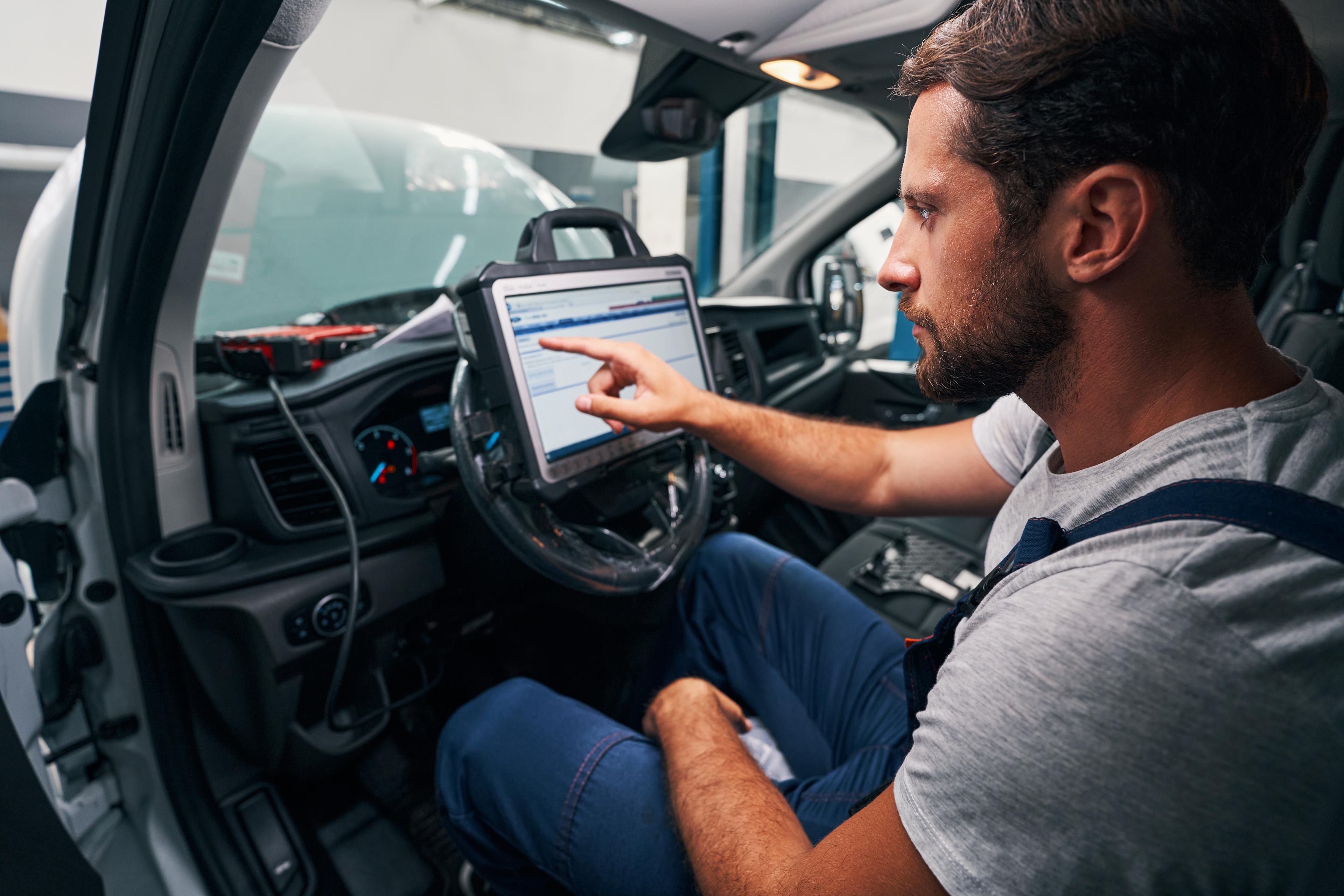
A diagnostic test connects your vehicle to specialist software that reads fault data from the ECU (engine control unit).
You can typically expect the following check to be included:
ECU fault code scan
Engine, gearbox, brake, and electrical system checks
Identification of stored or active error codes
Basic fault report and interpretation
Recommendation for repairs or next steps
Some garages also include a short visual inspection to confirm obvious issues. Bumper suggests asking about this before booking if you want to make sure it’s included.
Why is a car diagnostic test needed?
A diagnostic test helps identify issues early by reading fault data directly from your vehicle’s onboard computer.
It removes guesswork when warning lights appear and ensures only the faulty components are repaired, helping avoid unnecessary costs and breakdowns — and also keeping you and others safer on the road, as when maintained, cars are less likely to cause road traffic accidents.
What can a car diagnostic test tell you?
A diagnostic test can highlight developing or active issues across multiple systems, including:
Engine performance issues
Gearbox or transmission faults
Brake system warnings
Electrical system failures
Exhaust and emissions problems
It’s especially useful for hidden faults that don’t yet show obvious symptoms. That’s why Bumper always urges drivers to schedule check-ups, even if the vehicle is not yet showing signs of problems.
How long does a car diagnostic test take?
A standard diagnostic test usually takes 30 to 90 minutes, depending on how complex the fault is. Though it may take longer if additional testing or live data analysis is needed.
Diagnostic error codes explained
Faults are stored in the ECU using standardised codes. These codes help mechanics quickly narrow down the cause of the issue, and your mechanic will know how to read them.
However, the general meaning of diagnostic codes goes as follows:
P codes: Powertrain (engine & gearbox)
B codes: Body systems (airbags, climate, interior systems)
C codes: Chassis (brakes, suspension, steering)
U codes: Network & communication faults
What happens after a diagnostic test?
Once the scan is complete, the mechanic will:
Identify the root cause of the fault
Explain the issue and repair options
Carry out repairs if approved
Clear fault codes from the ECU
Retest the system to confirm the fix
What if a diagnostic test is inconclusive?
In some cases, a car diagnostic test won’t immediately pinpoint the exact fault. This usually happens when the issue is electrical or not consistently triggering a fault code in the ECU.
When this happens, the mechanic may recommend further investigation to narrow things down and avoid unnecessary part replacement, such as:
Deeper electrical testing to trace wiring or sensor faults
Live data monitoring while the vehicle is running or being driven
Component testing to check parts like sensors, actuators, or modules individually
Further inspection of related systems that could be influencing the fault
Road testing to reproduce the issue under real driving conditions
This extra step helps ensure the root cause is identified accurately before any major repairs are carried out.
Last thoughts
A car diagnostic test is a fast way to understand what’s going wrong with your vehicle. It helps pinpoint faults early and keeps your car running safely and efficiently. It also prevents unnecessary repairs and, therefore, higher costs, which is always a good thing in our eyes!
Split the cost with Bumper
Central locking system playing up? Consider a car repair loan to split central locking replacement costs into monthly payments at no extra cost.
Apply online for up to £5,000 and choose from 1,000s of trusted repairers.

Split your car repair cost over monthly repayments interest-free.
Split the cost of your next repair
Other related articles from our blog
Advice
2 min read
Andy Burnham puts an end to 'rip-off' parking charges and scams
The Government's new Private Parking Code of Practice outlines plans to reduce the effect of inflated parking fines in private car parks. Learn more about the Government's new plans here.

Advice
1 min read
Why the clocks going back could mean a big problem for drivers
A campaign has revealed why the end of British Summer Time could spell disaster for some drivers. Discover how reduced visibility at night and the start of a well-known animal's breeding season could increase the risk of a collision for some motorists.

Advice
3 min read
What the new Budget could mean for drivers: full list of potential changes
A full list of potential changes for drivers in the Government's upcoming Autumn Budget. What the new Budget could mean for the cost of fuel and EV ownership.


