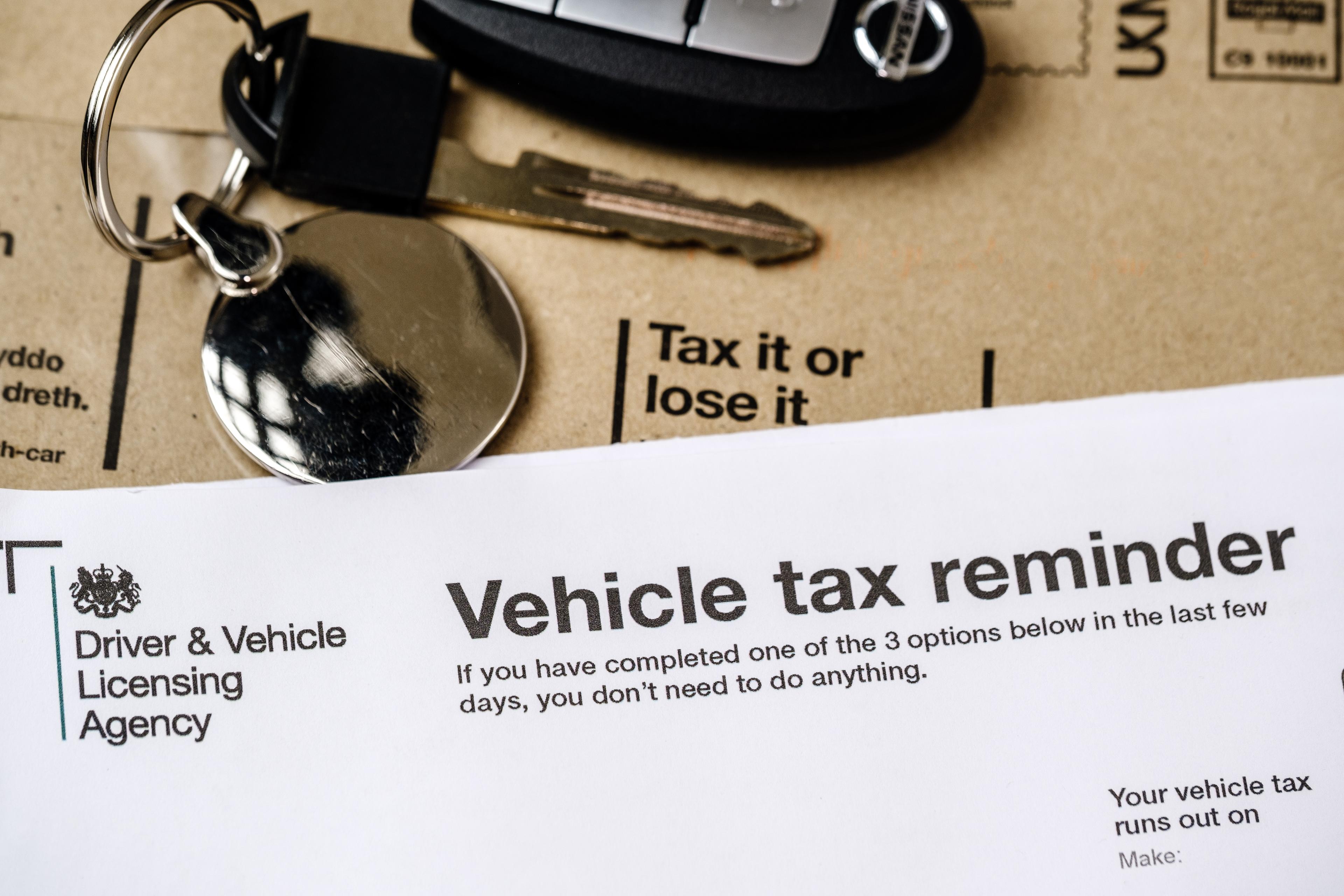
Car Tax Rises in 2026: What to Expect
From 1 April 2026, some UK drivers will see an increase in Vehicle Excise Duty (VED), commonly known as road tax.
The hike mainly affects high-emission petrol and diesel vehicles, as well as certain luxury and performance models.
Not all cars are affected. Most everyday cars will see smaller changes, while electric vehicles face updated fees for the first year.
Here’s what you need to know.
VED changes from April 2026
Vehicle tax is based on CO₂ emissions, fuel type, and the vehicle’s list price.
Standard annual rate: £200 (up from £195) for most cars registered after April 2017.
First-year VED for high-emission cars (over 255g/km CO₂): £5,690, up £200 from 2025.
First-year rate for average petrol car (~143g/km): £560.
First-year rate for average diesel (~164g/km): £1,360.
Thinking about buying an EV? Electric cars will pay a flat first-year VED of £10.
Cars costing over £50,000 (EVs) or £40,000 (petrol/diesel) are subject to the expensive car supplement of £425 per year for five years from year two of registration.
Cars most affected by tax changes in 2026
59 models fall into the highest VED band (over 255g/km CO₂). These are set to be hit with a £5,690 charge in the first year of ownership.
The vehicles that are mainly affected are luxury SUVs and performance cars, such as the following examples.
Alfa Romeo Stelvio 2.9 V6 Bi-Turbo
Aston Martin DB12 4.0 V8
Aston Martin DBX 4.0 V8
Aston Martin Vantage 4.0 V8
Audi R8 5.2 FSI V10
Audi RS6 4.0 TFSI V8
Audi RS7 4.0 TFSI V8
Audi RSQ8 4.0 TFSI V8
Audi S8 4.0 TFSI V8
Audi SQ7 4.0 TFSI V8
Audi SQ8 4.0 TFSI V8
Bentley Bentayga 4.0 V8
Bentley Continental 4.0 V8
Bentley Continental 6.0 W12
Bentley Flying Spur 4.0 V8
BMW Alpina XB7 4.4 V8
BMW M8 4.4 V8
BMW X5 M 4.4 V8
BMW X6 M 4.4 V8
BMW X7 M 4.4 V8
Chevrolet Corvette Stingray 6.2 V8
Ferrari Purosangue 6.5 V12
Ferrari Roma 3.8T V8
Ford Mustang 5.0 V8
INEOS Grenadier 3.0P
Jaguar F-Pace 5.0 P575 V8
Jeep Wrangler 2.0 GME
Land Rover Defender 90 5.0 P425 V8
Land Rover Defender 110 5.0 P425 V8
Lamborghini Huracan 5.2 V10
Lamborghini Revuelto 6.5 V12
Lamborghini Urus 4.0 V8 BiTurbo
Lotus Emira 3.5 V6
Maserati Levante 3.0 V6
Maserati Levante 3.8 V8
Maserati MC20 3.0 V6
Mercedes-Benz AMG GT 4.0 V8
Mercedes-Benz G400D
Mercedes-Benz G63
Mercedes-Benz GLE63
Mercedes-Benz GLC63
Mercedes-Benz GLS63h
Mercedes-Benz SL55
Porsche 718 Cayman 4.0 GT4
Porsche 911 3.7T 992 Turbo
Porsche Cayenne 4.0T V8
Porsche Macan 2.9T V6
Range Rover 4.4 P530 V8
Range Rover 4.4 P615 V8
Range Rover Sport 4.4P V8
Rolls-Royce Cullinan 6.75 V12
Rolls-Royce Ghost 6.75 V12
Toyota Land Cruiser 2.8D
Owners of these cars will see a significant first-year VED increase. Standard annual rates apply from year two, unless the vehicle is over the luxury threshold.
See how the changes compare to 2025’s data.
Electric Vehicles and VED in 2026
Electric cars are no longer fully exempt from VED. Here’s a quick breakdown of what you’ll have to pay and when.
First-year VED: £10
Standard annual rate: £200
Luxury EVs (>£50,000): £425 supplement for years two to six
A new pay-per-mile scheme is expected in 2028, though nothing is confirmed yet.
Drivers will pay 3p per mile for EVs and 1.5p per mile for plug-in hybrids. Further guidance on administration and mileage reporting will be published closer to the rollout.

How car tax rises in 2026 will affect UK drivers
The 2026 car tax increase will hit owners of high-emission and luxury vehicles the hardest.
To see how much you’ll pay, check your car’s CO₂ emissions and its list price, and remember that cars with powerful engines or high emissions will face higher first-year VED, while everyday models will see smaller increases.
Choosing a more efficient petrol or diesel car (or an electric vehicle) can help reduce these costs.
Planning ahead ensures you won’t be caught out by higher charges in April!
How UK car tax bands work
Knowing your car tax band can help you estimate prices.
UK car tax, or VED, depends on:
When your car was first registered
Its original price
Fuel type, and CO₂ emissions.
Cars registered from 1 April 2017 pay a flat annual rate, with an extra luxury car tax for vehicles costing over £40,000 (£50,000 for electric cars).
Older cars, registered between 1 March 2001 and 31 March 2017, are taxed according to CO₂ bands. Simply, the cleaner your car emissions-wise, the lower the tax.
To check your band, you’ll need your car’s registration year, fuel type, and CO₂ emissions, which you can find in your V5C logbook. Or you can use the UK Gov guide.
Fuel and at-the-pump updates
Fuel costs will also change gradually in 2026.
The 5p-per-litre fuel duty freeze runs until 31 August, after which it rises by 1p in September, 2p in December, and another 2p in March 2027.
Petrol stations must now report price changes within 30 minutes via the new Fuel Finder scheme, helping curb sudden spikes.
Drivers could save 1 to 6p per litre by closely monitoring prices.
Company car tax (BiK) for EVs
If you use an electric company car, your Benefit-in-Kind (BiK) tax will rise slightly in 2026.
From 6 April, BiK rates will increase from 3% to 4%, affecting both employees and employers.
While still lower than petrol or diesel alternatives, it’s worth factoring this change into tax planning for EVs provided through your workplace.
London congestion charges 2026
London’s daily congestion charge is now £18. Electric vehicles are no longer fully exempt, but Auto Pay users receive a 25% discount, reducing the fee to £13.50.
If you drive in the city regularly, this update could affect your daily commuting costs. Budgeting for these charges as early as possible ensures the new rules do not catch you out!
Other regulatory and tech updates to expect in 2026
2026 brings several updates for drivers, such as:
Digital driving licences are rolling out via GOV.UK’s One Login app, they started private testing this idea in 2025
Theory tests now include CPR and AED questions to improve safety knowledge
Euro 7 emissions standards become mandatory in November for all new cars and vans
Staying informed on these changes helps drivers remain compliant and take advantage of new technologies. If anything else occurs, you’ll find the latest information on the Bumper blog.
Final thoughts
The April 2026 VED changes continue the UK’s focus on reducing emissions through higher cost penalties.
High-emission petrol and diesel cars face higher first-year charges, while electric vehicles now contribute to road tax for the first time. So, it's a great time to prepare and even consider a more eco-friendly car.
Read more about owning a vehicle in the UK on the Bumper blog.
Split the cost with Bumper
Staying informed can help you budget effectively and choose vehicles that minimise road tax costs.
You can also consider a car repair loan to split the cost of last-minute repairs into interest-free instalments with Bumper.
Apply online for up to £5,000 and choose from 1,000s of trusted repairers.

Split your car repair cost over monthly repayments interest-free.
Split the cost of your next repair
Other related articles from our blog

News
1 min read
Cost to fill up a family car hits £94
The cost to fill up a typical 55-litre family car reaches £94 for petrol and £106 for diesel. Prices are set to continue rising, with the cost of oil now at over $100 per barrel.

News
1 min read
Body Control Modules breakdowns double since 2020
Breakdowns due to Body Control Modules have doubled since 2020, the AA has reported. The BCM controls many of the car's electrical systems and can make it difficult for drivers to explain the problem.
News
2 min read
Independent Garage Association pushes for MOT fee increase
The independent Garage Association has made plans to call on the Government to increase the MOT fee to £95. Garages said they are facing additional cost pressures that a fee increase would help them to meet.


