The difference between MOT and service
MOT and servicing – they often come up at the same time, especially when it’s time for your annual garage visit. But they’re not the same thing, and knowing the difference can save you money, time, and stress. Let’s break it all down: what an MOT involves, what a car service includes, and why both are essential for keeping your car road-ready.
Jump to:
What is an MOT?
An MOT is a mandatory annual test that checks whether your car meets the minimum safety and environmental standards set by the Ministry of Transport. It’s a legal requirement for vehicles over three years old in the UK.
If your vehicle doesn’t pass its MOT test, you can’t legally drive it, and you could be fined up to £1,000 for doing so. MOTs are all about road safety and making sure your vehicle isn’t emitting more pollution than allowed by emissions standards.
Key things to know about an MOT:
Required every year if your car is over three years old
Mandatory for everyone in the UK who drives on public roads
Focuses on the safety, legality, and emissions of a car
Doesn’t include mechanical maintenance or fluid checks
Did you know? Nearly 10 million cars failed their MOTs in 2024 – over 1 in 5!
What’s checked on an MOT?
An MOT checks for everything that affects a car’s safety, legality, and emissions, including:
Braking system
Brake pads, discs, drums, and shoes
Brake fluid condition and leaks
Handbrake (parking brake) performance
Brake lights
Lights and visibility
Headlights (including aim)
Indicators, brake lights, fog lights
Number plate lights
Hazard lights
Windscreen wipers and washers
Windscreen condition (no chips or cracks in driver’s line of vision)
Mirrors (secure and undamaged)
Tyres and wheels
Tyre tread depth (minimum 1.6mm)
Tyre condition (no bulges, cuts, or damage)
Wheel alignment (visual inspection)
Spare wheel (not tested, but must be secure if present)
Steering and suspension
Steering wheel and column condition
Power steering function (if applicable)
Suspension components: springs, shock absorbers, joints
Exhaust system and emissions
Exhaust system condition (no leaks or excessive noise)
Emission levels (tested using an exhaust gas analyser)
Diesel particulate filter (if applicable)
Catalytic converter (if applicable)
Vehicle body and structure
Vehicle frame integrity (no corrosion near suspension/steering)
Doors, bonnet, and boot (must open/close securely)
Tow bar (if fitted)
Chassis number (must be visible)
Safety equipment
Seatbelts and airbags (condition and function)
Horn (must work and be loud enough)
Warning lights on the dashboard (e.g. ABS, airbags)
Number plates and legal markings
Registration plate: correct format, securely fixed, visible
Tax and insurance not checked at test — but MOT data is linked electronically
What is a car service?
A car service is a routine check-up that keeps your vehicle in good condition. Unlike an MOT, a service isn’t required by law, though skipping it can lead to bigger (more expensive) problems later on.
Servicing helps:
Improve fuel economy and performance
Spot potential issues early
Maintain your full service history (important for resale value)
Avoid unexpected repair bills
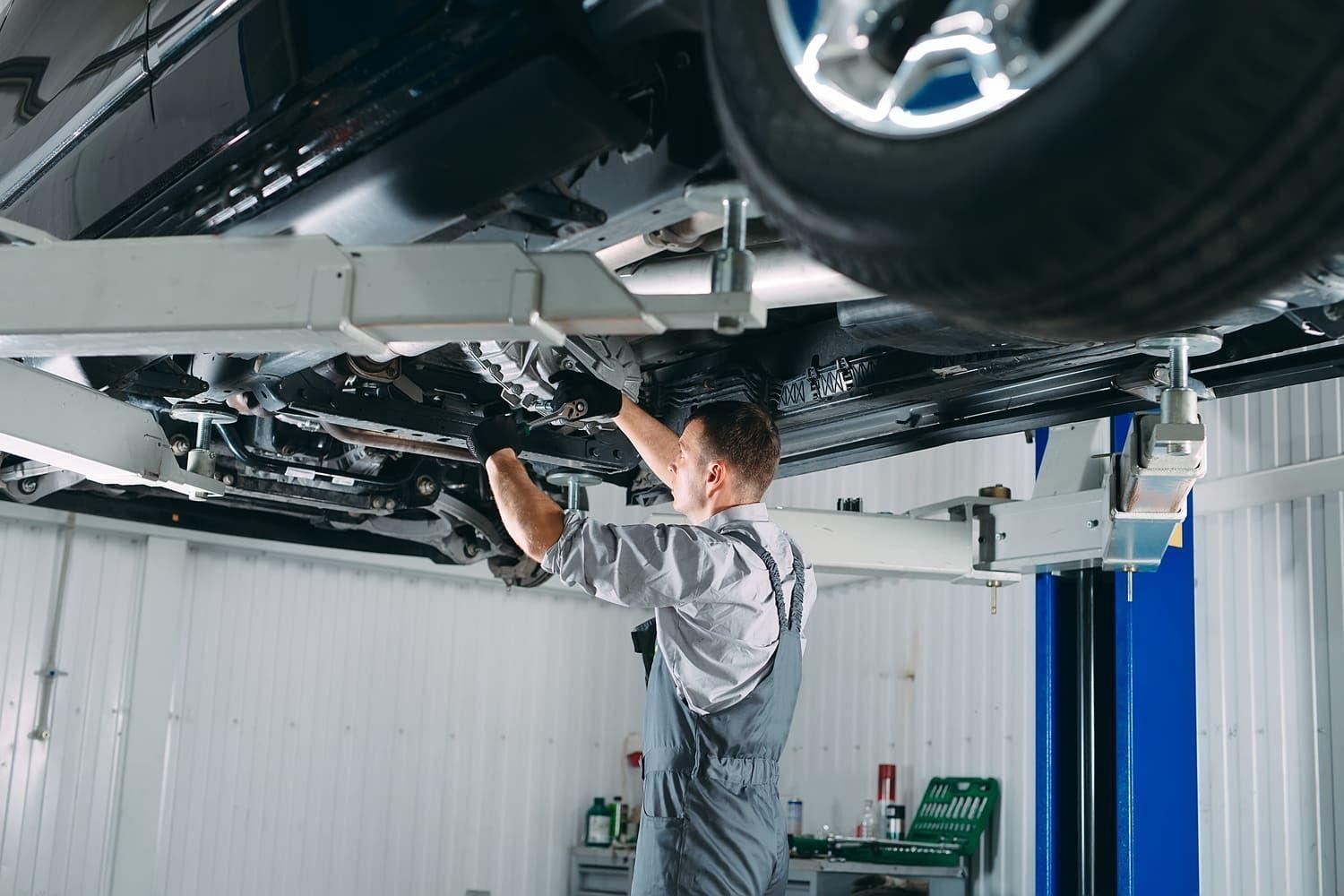
What is included in a car service?
There are different types of service, depending on your service schedule and mileage. Here’s a breakdown of what’s usually included:
Oil service:
Engine oil change
Replace oil filter
General fluid top-ups
Full service (recommended annually)
Everything in an oil service, plus:
Air filter and fuel filter checks/replacement
Replace spark plugs (if needed)
Coolant flush and brake fluid check
Clutch replacements (if necessary)
Tyre pressure and tyre tread depth check
Inspection of all key vehicle components
Identifying leaks or worn parts, including internal leaks
These service items help maintain your car’s condition, boost reliability, and keep your car aligned with manufacturer standards. Skipping them can reduce your fuel efficiency and increase the chance of breakdowns.
MOT vs service: What’s the actual difference?
Feature | MOT | Car Service |
|---|---|---|
Legally required? | ✔️ Yes – by law | ⚠️ No, but recommended |
Main purpose | Road safety & emissions | Vehicle health & reliability |
Covers wear/tear? | ❌ No | ✔️ Yes – full maintenance |
Includes oil/fluid checks? | ❌ No | ✔️ Yes |
Checks safety? | ✔️ Basic legal checks | ✔️ More detailed inspections |
Car repair finance from Bumper splits the cost of MOT and service work into manageable 0% interest instalments. Apply now at one of our 5000+ partnered garages to keep your car in good condition without breaking the bank.
Do you need both an MOT and a service?
Yes, you do need to keep on top of all MOTs and servicing because:
MOT keeps your car legal and roadworthy
Service keeps your car healthy and efficient
Skipping either can cost you more in repairs or fines
Even if your MOT passes, you might still need a service to stay ahead of wear and tear. And if you only service your car but skip the MOT, you risk driving a car that isn’t roadworthy.
When should you book an MOT or service?
If you’re unsure when you should book your next MOT or service, here’s a quick guide:
MOT: Every 12 months once your car is three years old
Oil service: Every 6–12 months, depending on mileage
Full service: Every 12 months or 12,000 miles
If possible, book them together. Not only does this save time, but it can also get you a better deal on each.
Stay road-ready and stress-free with Bumper’s car repair finance
Need an MOT and service but dreading the bill? With Bumper, you can split the cost of your MOT into handy, interest-free payments. Whether it’s your annual service, MOT, or an unexpected repair, our car repair finance helps you stay in control and on the road. Join thousands of drivers and take the sting out of your car upkeep. Apply online now!
MOT FAQs
How long does a service and an MOT take?
An MOT test usually takes around 45–60 minutes if no repairs are needed. A car service can take 1–3 hours, depending on whether it’s an interim, full, or major service. If carried out together, allow half a day to complete both, especially if issues are found.
How much is a service and an MOT?
The cost of an MOT in the UK is capped at £54.85 for cars. A service varies depending on the type:
An interim service starts from around £80–£125
A full service £150–£250
A major service £250+
Booking both together often saves money compared to separate visits.
Do electric cars need MOT and service?
Yes. Electric cars still require an MOT after three years, just like petrol or diesel cars, to ensure safety and roadworthiness. While EVs don’t need oil changes or exhaust checks, they do need servicing for brakes, tyres, suspension, battery health, and software updates to keep them running safely and efficiently.

Split your car repair cost over monthly repayments interest-free.
Split the cost of your next repair
Other related articles from our blog
Advice
2 min read
Andy Burnham puts an end to 'rip-off' parking charges and scams
The Government's new Private Parking Code of Practice outlines plans to reduce the effect of inflated parking fines in private car parks. Learn more about the Government's new plans here.

Advice
1 min read
Why the clocks going back could mean a big problem for drivers
A campaign has revealed why the end of British Summer Time could spell disaster for some drivers. Discover how reduced visibility at night and the start of a well-known animal's breeding season could increase the risk of a collision for some motorists.

Advice
3 min read
What the new Budget could mean for drivers: full list of potential changes
A full list of potential changes for drivers in the Government's upcoming Autumn Budget. What the new Budget could mean for the cost of fuel and EV ownership.


