Engine Oil Change Cost Guide: £110 to £200+ (2026)
In 2026, the average engine oil change costs between £110 and £230, but it can go above in rare cases.
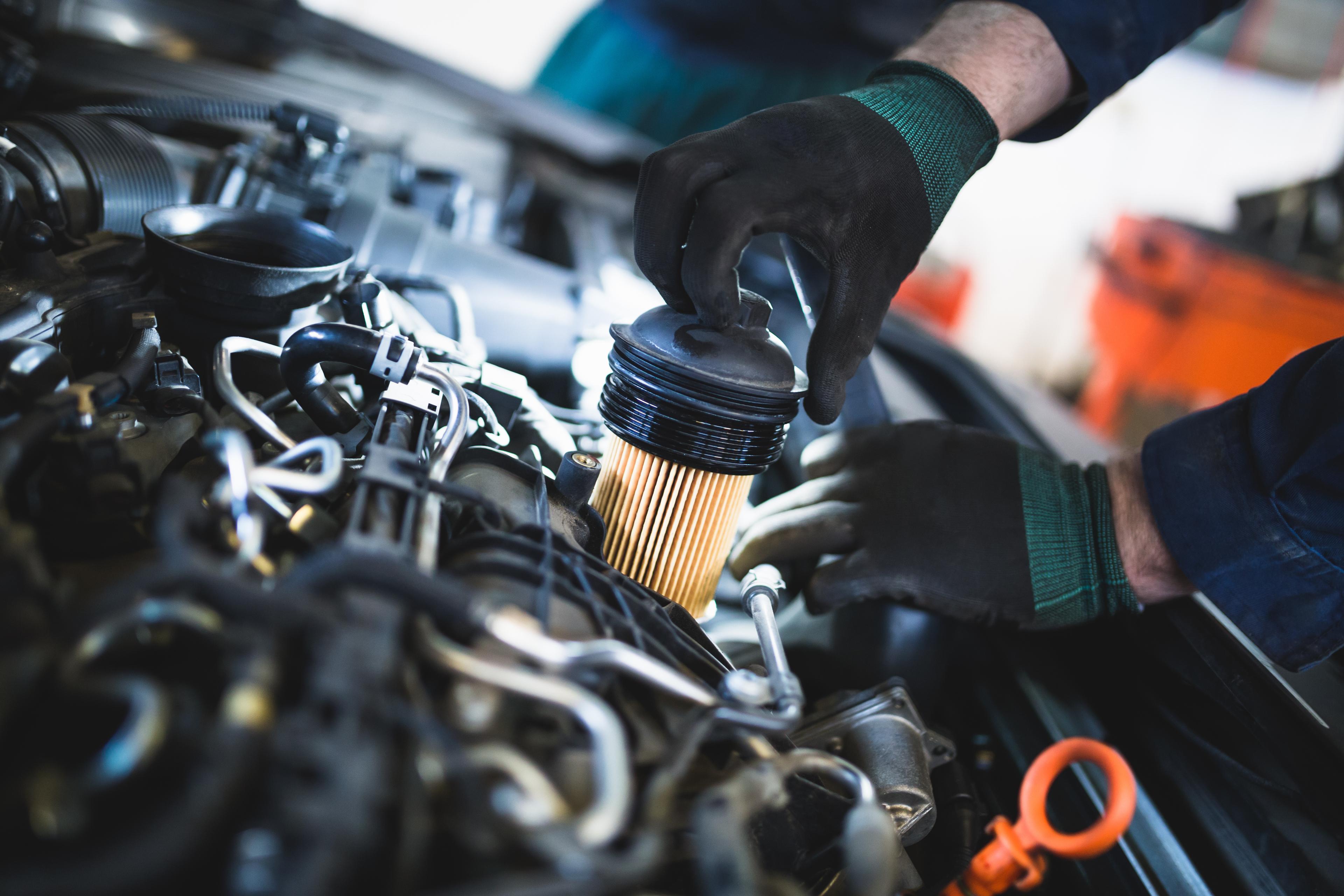
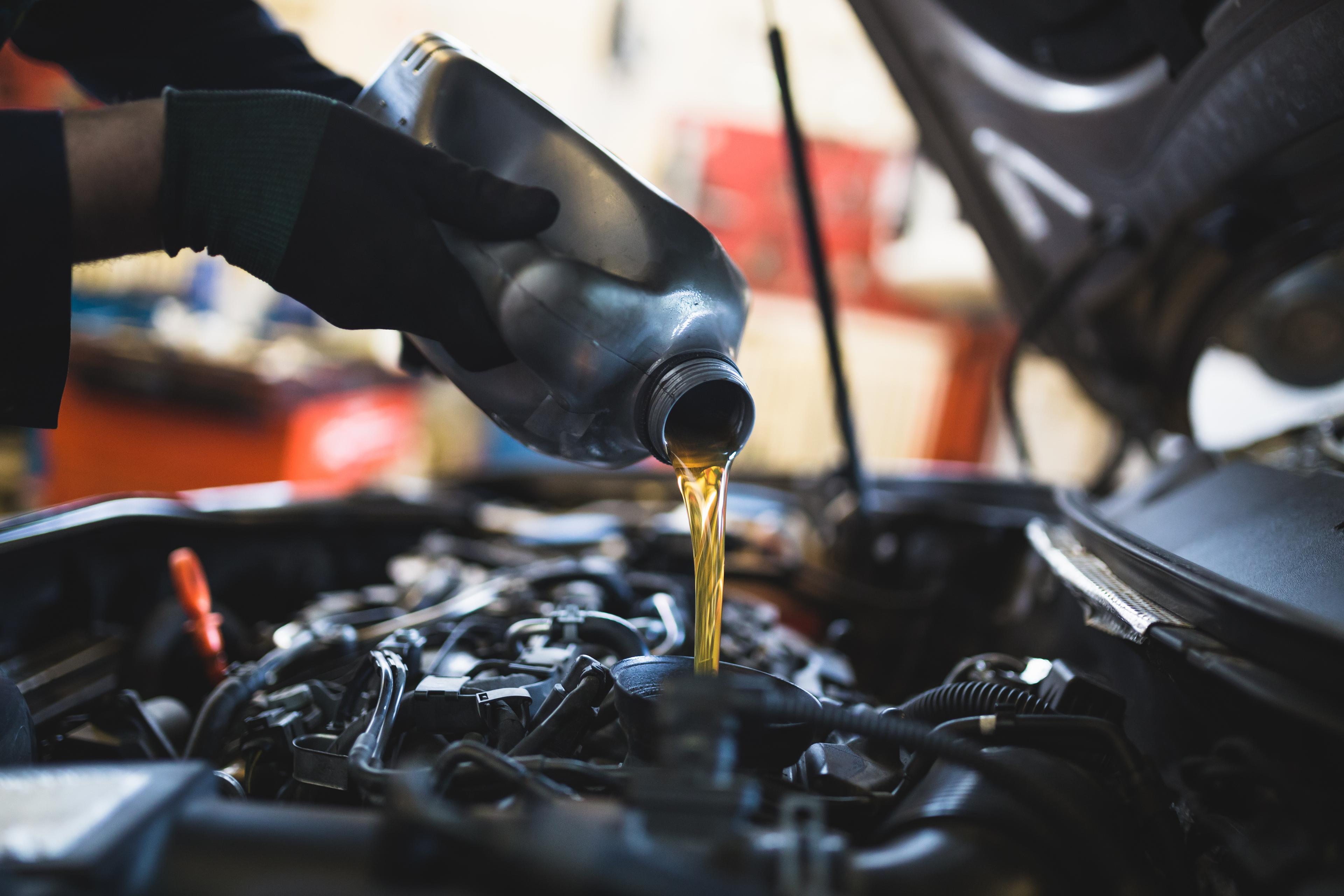
Engine oil helps lubricate, cool and protect your engine from wear. An oil change replaces the old oil and oil filter with fresh components to keep your engine performing at its best.
Here’s what you need to know before booking, from the average engine oil prices to how often to change your oil.
How much does an engine oil change cost?
In the UK, the average engine oil change costs around £110 to £230, depending on your vehicle, engine size and oil type.
Of course, there are outliers. Larger engines and premium vehicles tend to cost more due to higher oil capacity and specialist oil requirements. Likewise, the price can dip below £110 for older cars or ones with basic engines.
Synthetic oil costs more but generally lasts longer and performs better under high temperatures and heavy use.
Here’s how the costs balance out.
Service | Average cost |
|---|---|
Basic oil change (small engines) | £80 – £120 |
Standard oil change (most cars) | £110 – £180 |
Oil and filter change (average UK vehicle) | £113 – £229 |
Fully synthetic oil change | £180 – £300+ |
Dealer oil service | £250 – £400+ |
How much does an engine oil change cost for each vehicle type?
As explained above, costs vary depending on the size and type of vehicle. Larger engines need more oil and often require premium grades, which increases the price. Smaller vehicles are usually the cheapest to service.
Here are approximate costs for UK drivers:
Car type | Average cost |
|---|---|
Small city car | £70 – £110 |
Hatchback / saloon | £90 – £150 |
SUV / 4x4 | £120 – £200 |
Luxury / performance | £150 – £250+ |
No matter the car type, you can use car repair finance to split the engine oil change cost into interest-free repayments.
Why do engine oil change costs vary?
Several factors affect how much you pay for an oil change, and you should take into account the following:
Engine size and oil capacity
Type of oil required (standard, semi-synthetic or fully synthetic)
Vehicle make and model
Labour rates in your area
Whether a new oil filter is included
Dealer vs independent garage pricing
How often should engine oil be changed?
Most manufacturers recommend changing your engine oil every 10,000 to 12,000 miles or once a year, whichever comes first.
Some modern vehicles using long-life oil can extend this interval, but driving conditions still matter. Short trips, stop-start driving and towing can all cause oil to degrade faster, meaning more frequent changes may be needed.
Bumper recommends drivers to keep an eye on oil levels to make sure they never miss an engine oil change.
How long does an engine oil change take?
A standard engine oil change usually takes 30 to 60 minutes.
If it’s carried out as part of a full or interim service, it may take longer depending on additional checks and workshop waiting times. Your mechanic will let you know an approximate time.
What are the signs my car needs an oil change?
Your car will usually give warning signs when the oil is due for a change.
These include:
Oil warning light on the dashboard
Dark, thick or dirty oil on the dipstick
Knocking or louder engine noise
Reduced fuel economy
Burning smell from the engine
Engine overheating
Ignoring these signs can increase engine wear and lead to more expensive repairs later on. Don’t put off that appointment!
What happens when you do not change your oil?
Old engine oil breaks down over time and becomes less effective.
If it is not changed, it can cause:
Sludge build-up inside the engine
Increased friction and wear on components
Overheating issues
Reduced performance and efficiency
Serious engine damage in severe cases
Love them or hate them, regular oil changes are one of the simplest ways to protect your engine long-term.
How long will a car run with no oil change?
There is no fixed mileage for how long a car can run without an oil change.
Some engines may continue to run for a long time, but damage can start building well before a breakdown happens. Experts generally explain that the longer oil is left unchanged, the higher the risk of engine failure.
Can you go 2 years without changing oil?
In most cases, no.
Even if you drive low mileage, engine oil still degrades over time. Most manufacturers recommend at least an annual oil change.
Pro Tip: Long-life oils can extend service intervals, but they do not remove the need for regular maintenance.
Can I mix old and new engine oil?
Topping up with new oil is usually fine in emergencies, as long as it meets the correct specification for your vehicle.
However, it should never replace a full oil change, as old oil still contains contaminants and loses effectiveness over time.
Can a car lose oil without a leak?
Yes. Oil loss does not always mean there is a visible leak.
Common causes include:
Oil burning inside the engine
Worn piston rings
Turbocharger issues
Faults in the PCV system
The team at Bumper reminds readers that if oil levels are dropping regularly, they should be checked as soon as possible.
Final summary
Engine oil is essential for keeping your engine lubricated, cool and protected from wear. The engine oil change cost is a small price to pay to prevent serious engine damage and keeps your car running efficiently.
Split the cost with Bumper
Need to top up the oil? You can split the cost of an engine oil change into interest-free payments with a car repair loan at no extra cost. Apply online and choose from thousands of repairers.

Split your car repair cost over monthly repayments interest-free.
Split the cost of your next repair
Other related articles from our blog
Advice
2 min read
Andy Burnham puts an end to 'rip-off' parking charges and scams
The Government's new Private Parking Code of Practice outlines plans to reduce the effect of inflated parking fines in private car parks. Learn more about the Government's new plans here.

Advice
1 min read
Why the clocks going back could mean a big problem for drivers
A campaign has revealed why the end of British Summer Time could spell disaster for some drivers. Discover how reduced visibility at night and the start of a well-known animal's breeding season could increase the risk of a collision for some motorists.

Advice
3 min read
What the new Budget could mean for drivers: full list of potential changes
A full list of potential changes for drivers in the Government's upcoming Autumn Budget. What the new Budget could mean for the cost of fuel and EV ownership.


