Full Car Service Cost Guide: £180 to £300 (2026)
A full car service cost in the UK ranges from £180 to £300.
Servicing is one of those jobs that feels routine and sometimes frustrating, but it plays a big role in keeping your engine, brakes, and key systems running properly before small issues turn into expensive repairs!
Here’s everything you need to know about full car service costs in 2026.
How much does a full car service cost?
A full car service in the UK typically costs between £180 and £300, and the final fee depends on the vehicle type, engine size, and garage location.
Smaller cars tend to sit at the lower end of the scale, while larger or premium vehicles cost more (even over £300) due to extra labour time and specialist oils or parts.
A full service is more in-depth than an interim service and includes a wider range of inspections, replacements, and safety checks. You can also use car repair finance to split the cost of a full service into interest-free repayments.
Here are the average costs for a full service in 2026.
Car type | Average cost |
|---|---|
Small city car | £180 – £220 |
Hatchback / saloon | £200 – £260 |
SUV / 4x4 | £240 – £320 |
Luxury / performance | £300 – £450+ |
Full car service costs by UK region
Service prices also vary depending on where you live in the UK, mainly due to differences in labour rates and overhead costs.
Generally speaking, urban areas with higher garage demand and labour costs tend to be more expensive than rural locations. But don’t forget your car’s make and model can also influence the final fee.
Bumper recommends comparing prices from different garages in your surroundings to find the best costs.
Estimates for 2026 include:
Region | Average cost |
|---|---|
London | £260 – £350 |
South East | £230 – £300 |
Midlands | £200 – £270 |
North West | £190 – £260 |
North East | £180 – £240 |
Scotland | £190 – £250 |
Wales | £185 – £245 |
Why is a full car service so expensive?
A full car service is more expensive because it involves both labour and parts replacement, as well as detailed inspections across multiple vehicle systems.
Mechanics check more than just the basic components. They also assess engine health, brakes, fluids, filters, and safety systems to give the vehicle a clean bill of health.
Modern vehicles also require more time due to complex electronics and tighter service tolerances. So, keep in mind that newer cars might come with higher prices.
What’s included in a full car service?
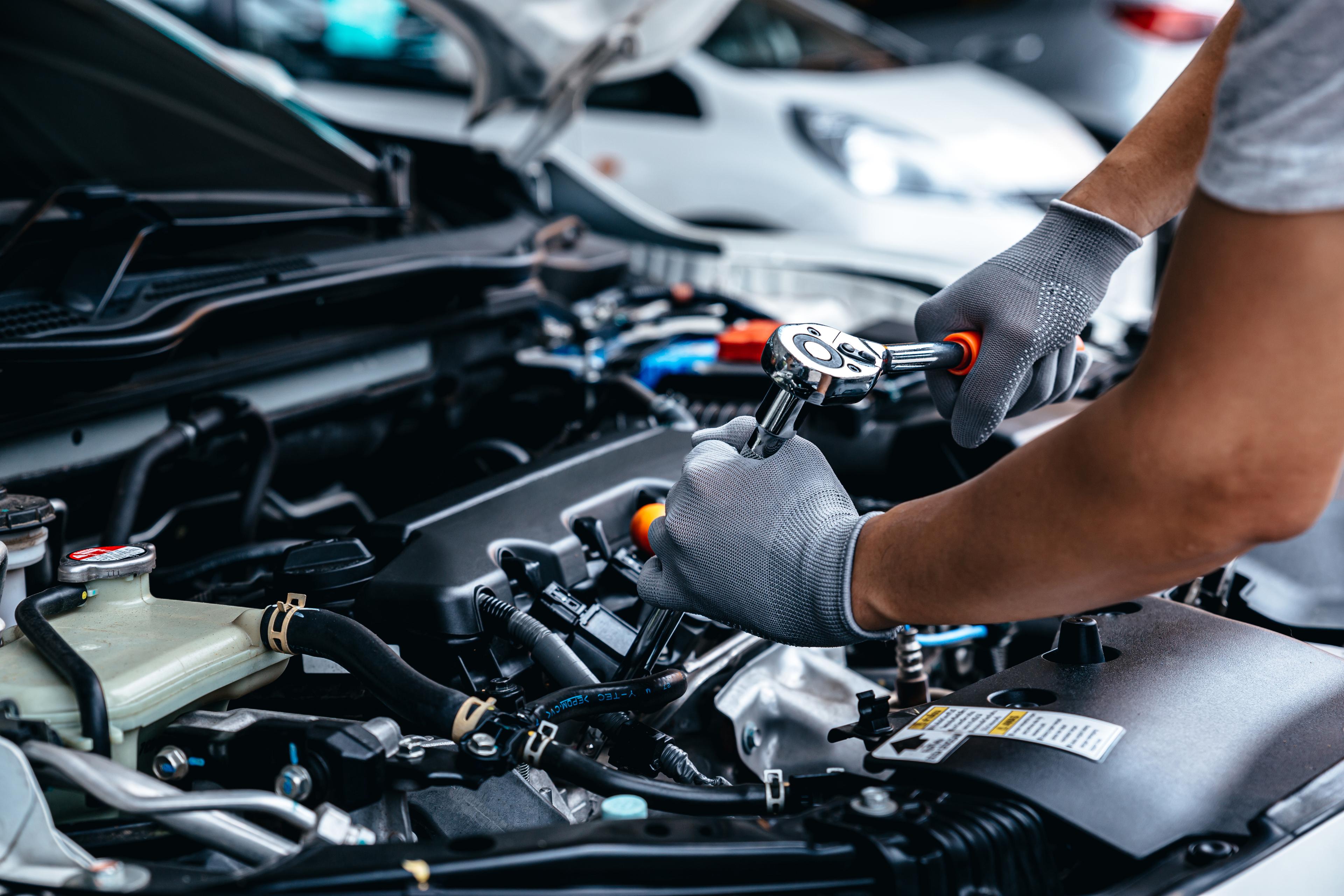
A full car service covers a comprehensive set of checks designed to keep the vehicle safe and running efficiently.
Full servicing typically includes:
Engine oil and oil filter change
Air filter and fuel filter inspection
Brake system inspection
Steering and suspension check
Tyre condition and tread depth check
Fluid top-ups (coolant, brake fluid, screen wash)
Battery and charging system test
Full visual safety inspection
Pro Tip: Some garages may also include diagnostic scans and road testing. Ask about these before you book-in.
How long does a full car service take?
A full car service usually takes 2 to 4 hours, depending on the vehicle and any additional issues found during inspection.
If extra repairs are needed, the job may take longer. Likewise, luxury vehicles or those with complex systems may require additional diagnostic time. In these cases, your mechanic will let you know an approximate time.
How often should you get a full car service?
Most manufacturers recommend a full car service every 12 months or 12,000 miles, whichever comes first. Some drivers alternate between interim and full services depending on mileage and usage.
Regular servicing helps maintain performance and reduces the risk of unexpected breakdowns. It can also improve fuel efficiency, so it’s well-worth it to book your vehicle for a check-up.
Signs your car needs a full service
There are several warning signs that your car may be due for a full service sooner rather than later. These often indicate wear or reduced efficiency across key systems, but in particular, you should look out for the following:
Dashboard warning lights appearing
Reduced fuel economy
Unusual engine noise or rough idling
Slower acceleration or poor performance
Brake or steering changes in feel
Dark or dirty engine oil
As always, ignoring these signs can lead to more expensive repairs later and potential danger while driving. If in doubt, contact your local garage!
Where can you book a full car service?
Full car servicing can be booked through local garages, main dealerships, or mobile mechanics. Many drivers choose mobile servicing for convenience, as the work can often be done at home or at work.
Booking online typically allows you to compare prices and choose between service levels based on your vehicle’s needs. Bumper always recommends comparing options for 2026, as it helps you find the best deal for your wallet.
Is it worth paying for a full car service?
Yes, it is worth paying for a full car service. These extensive services are considered worth it because they help prevent major mechanical issues before they develop.
While it may feel like a high upfront cost, it often saves money long term by identifying wear early and improving overall vehicle efficiency and safety.

What happens if you skip a full service?
Skipping a full car service can lead to gradual wear and unnoticed mechanical issues building up over time. This can reduce performance, increase fuel consumption, and raise the risk of breakdowns — and in some cases, road accidents.
Also, over time, lack of servicing can also shorten engine life and lead to more expensive repairs that could have been avoided with more affordable routine maintenance.
Last thoughts
A full car service is a key part of keeping your vehicle safe and reliable over time. While it comes with an upfront cost, it helps prevent larger repair bills by catching issues early and maintaining overall vehicle health. So if you’re on the fence, this is your sign to book-in!
Split the cost with Bumper
If a full car service is in your future, consider a car repair loan to split the service cost into monthly payments at no extra cost.
Apply online for up to £5,000 and choose from 1,000s of trusted repairers.

Split your car repair cost over monthly repayments interest-free.
Split the cost of your next repair
Other related articles from our blog
Advice
2 min read
Andy Burnham puts an end to 'rip-off' parking charges and scams
The Government's new Private Parking Code of Practice outlines plans to reduce the effect of inflated parking fines in private car parks. Learn more about the Government's new plans here.

Advice
1 min read
Why the clocks going back could mean a big problem for drivers
A campaign has revealed why the end of British Summer Time could spell disaster for some drivers. Discover how reduced visibility at night and the start of a well-known animal's breeding season could increase the risk of a collision for some motorists.

Advice
3 min read
What the new Budget could mean for drivers: full list of potential changes
A full list of potential changes for drivers in the Government's upcoming Autumn Budget. What the new Budget could mean for the cost of fuel and EV ownership.


