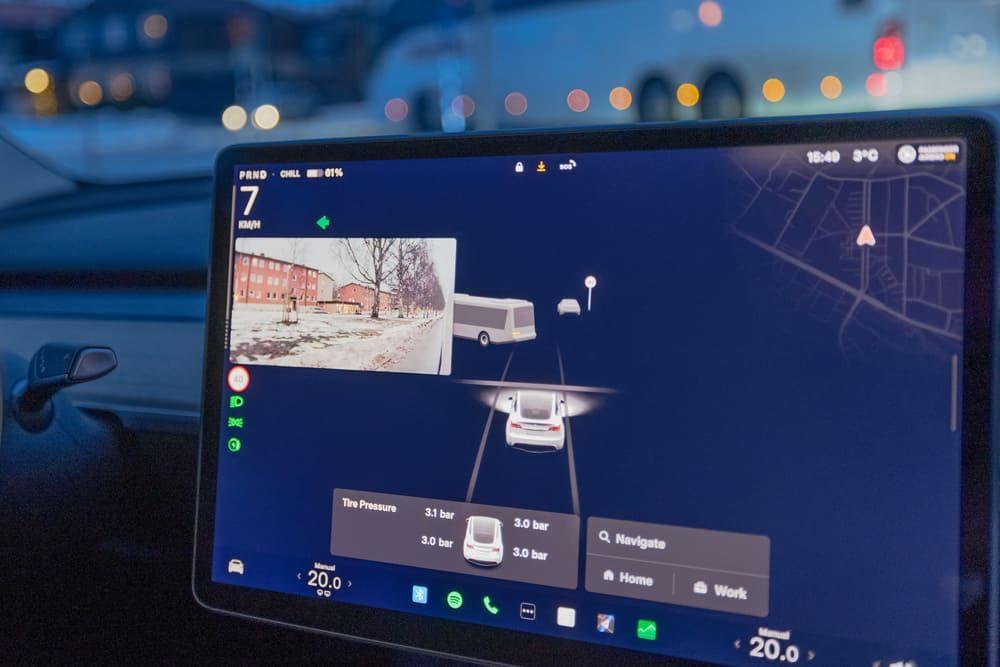
The Future of Car Tech: 5 Innovations That Will Change How We Drive
The automotive world is transforming quickly. From smarter onboard systems to cleaner energy, the next few years will bring some of the biggest changes drivers have ever seen. Here are five innovations shaping the future of driving and what they mean for you.
1. Over-the-Air Updates Are Becoming Normal
Just like your phone updates itself overnight, modern cars are now doing the same.Manufacturers are using over-the-air (OTA) updates to:
Improve software
Fix bugs
Add new features
Fine-tune performance
This means fewer trips to the dealership for routine software issues, your car can update itself while you sleep. And if an update ever highlights a repair that needs attention, having flexible ways to manage the cost (like interest-free instalments with Bumper) can make things easier.
2. EV Charging Will Get Faster and Smarter
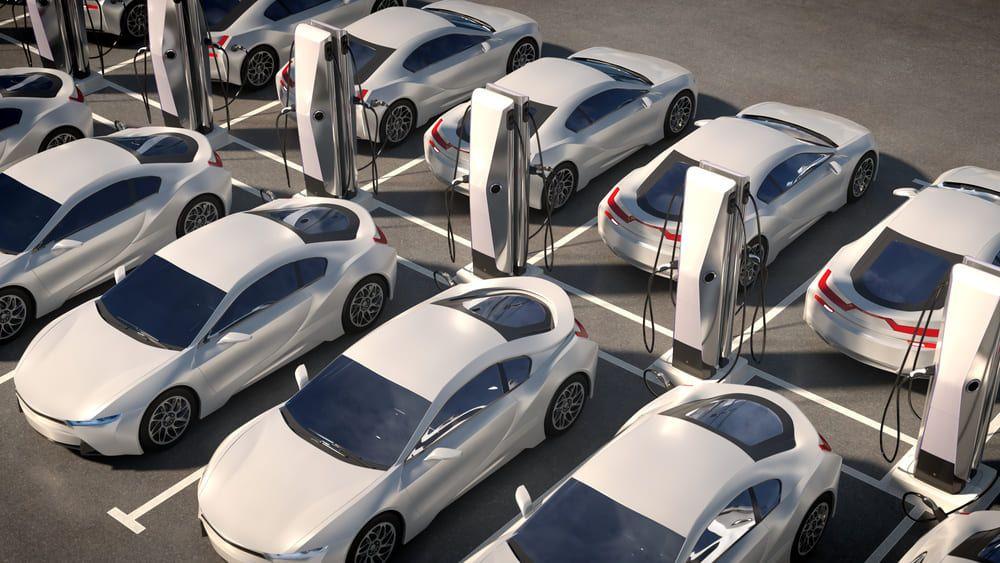
Electric vehicle technology is accelerating rapidly. Charging speeds are increasing, and chargers are becoming more intelligent, able to:
Automatically pick the cheapest time to charge
Schedule charging around renewable energy peaks
Provide real-time efficiency insights
As EVs become more common, regular battery checks and occasional high-voltage system maintenance will become part of normal car ownership.
3. ADAS Safety Features Are Becoming Standard
Advanced Driver Assistance Systems (ADAS), such as automatic emergency braking, lane-keep assist, blind-spot alerts and adaptive cruise control, are rapidly becoming standard on new vehicles.These systems rely on cameras, radar, and sensors to keep you safer on the road. As these features expand, cars will be even more protective, especially for commuting and long-distance driving.And because ADAS involves highly precise technology, repairs and calibrations can sometimes be more specialised.
4. Cars Are Becoming Software-Defined
Modern vehicles are shifting from primarily mechanical machines to software-first platforms. This means:
More personalisation
Smarter diagnostics
Apps and upgrades delivered remotely
Cars that improve over time, not just wear out
Software-defined cars can predict issues earlier and help prevent breakdowns before they happen.
5. Automation Is Expanding – Even in Everyday Cars
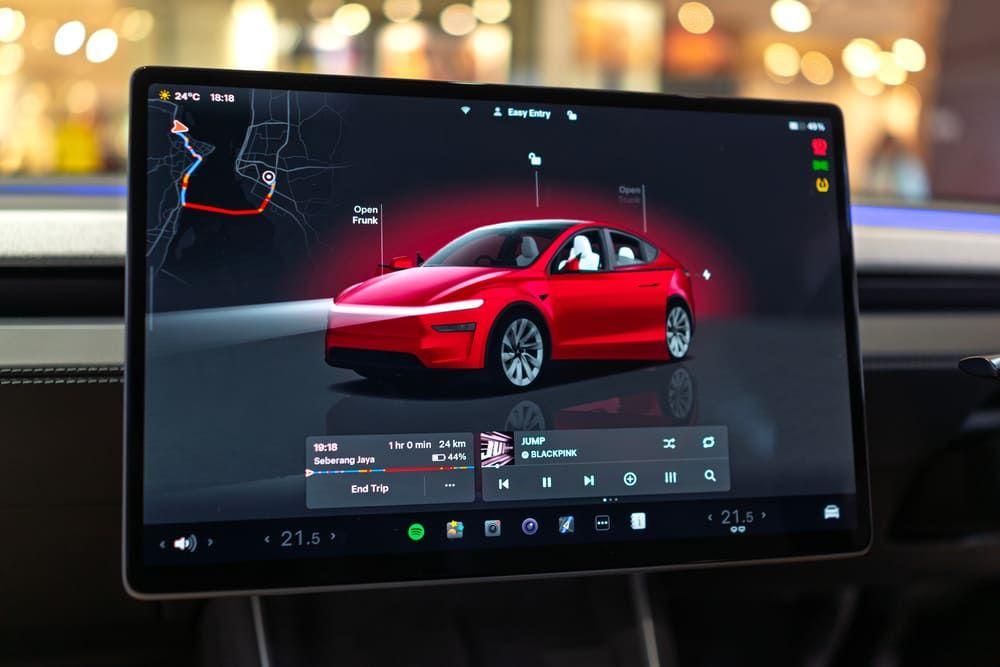
Fully self-driving cars are still a few years away, but many new models already use semi-autonomous features like:
Self-parking
Traffic-jam assist
Automatic lane changing
Adaptive cruise systems that respond to other cars
These features make driving safer and more relaxing. As automation increases, vehicles will depend even more on high-precision sensors and cameras, making occasional recalibrations part of routine car care.
Final Thoughts
The future of driving is cleaner, smarter, and more connected than ever before. Whether you drive an EV, a modern hatchback, or a tech-packed SUV, these innovations are designed to make every journey safer and more enjoyable.And if the new technology ever leads to unexpected repair costs, flexible payment options like Bumper ensure you can stay on the road without the worry.

Split your car repair cost over monthly repayments interest-free.
Split the cost of your next repair
Other related articles from our blog
Entertainment
2 min read
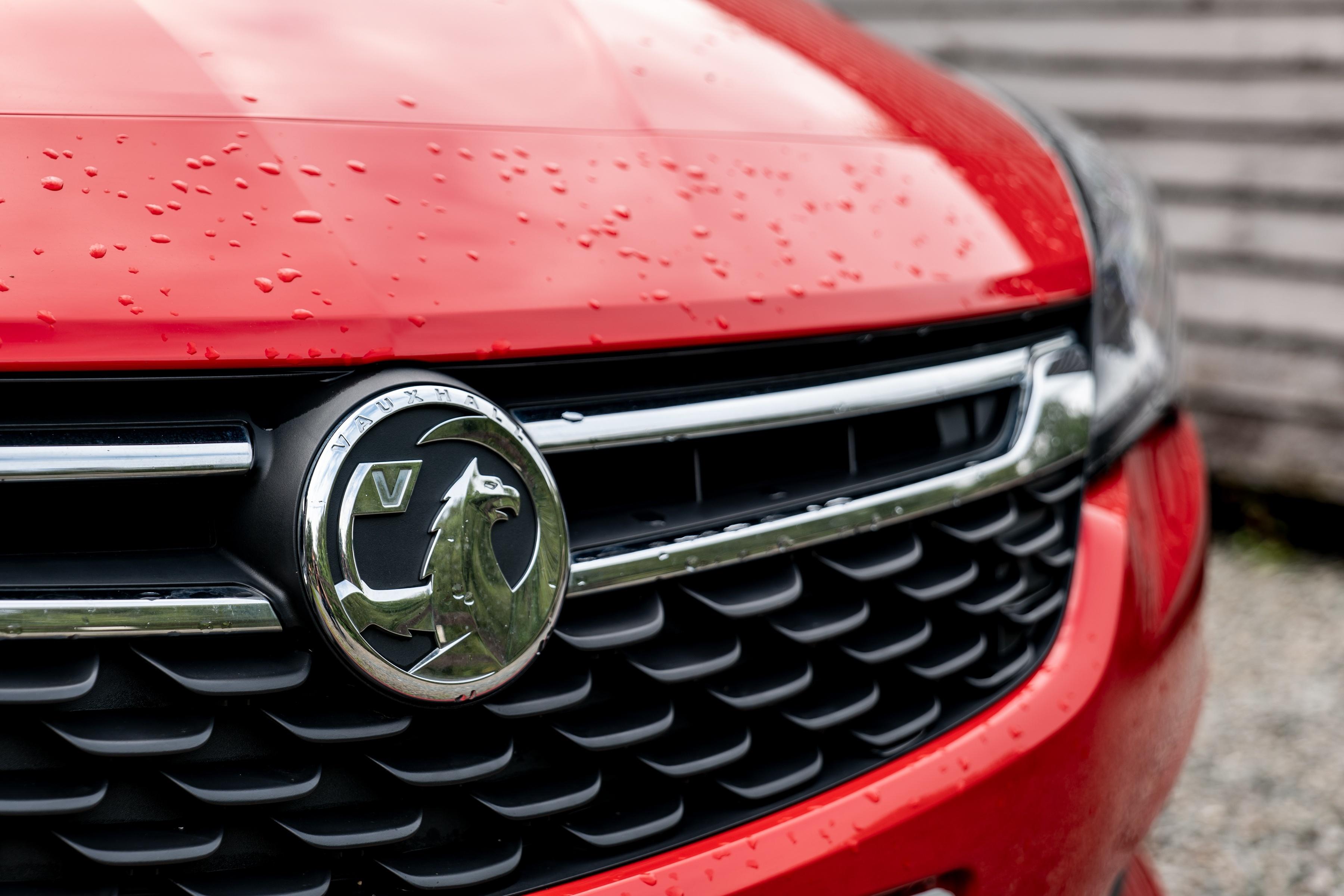
The quirky design feature hidden inside all Vauxhall models
Drivers are now discovering a surprising design tradition built into Vauxhall cars since 2004. Explore the story behind the quirky design choice.
Entertainment
1 min read
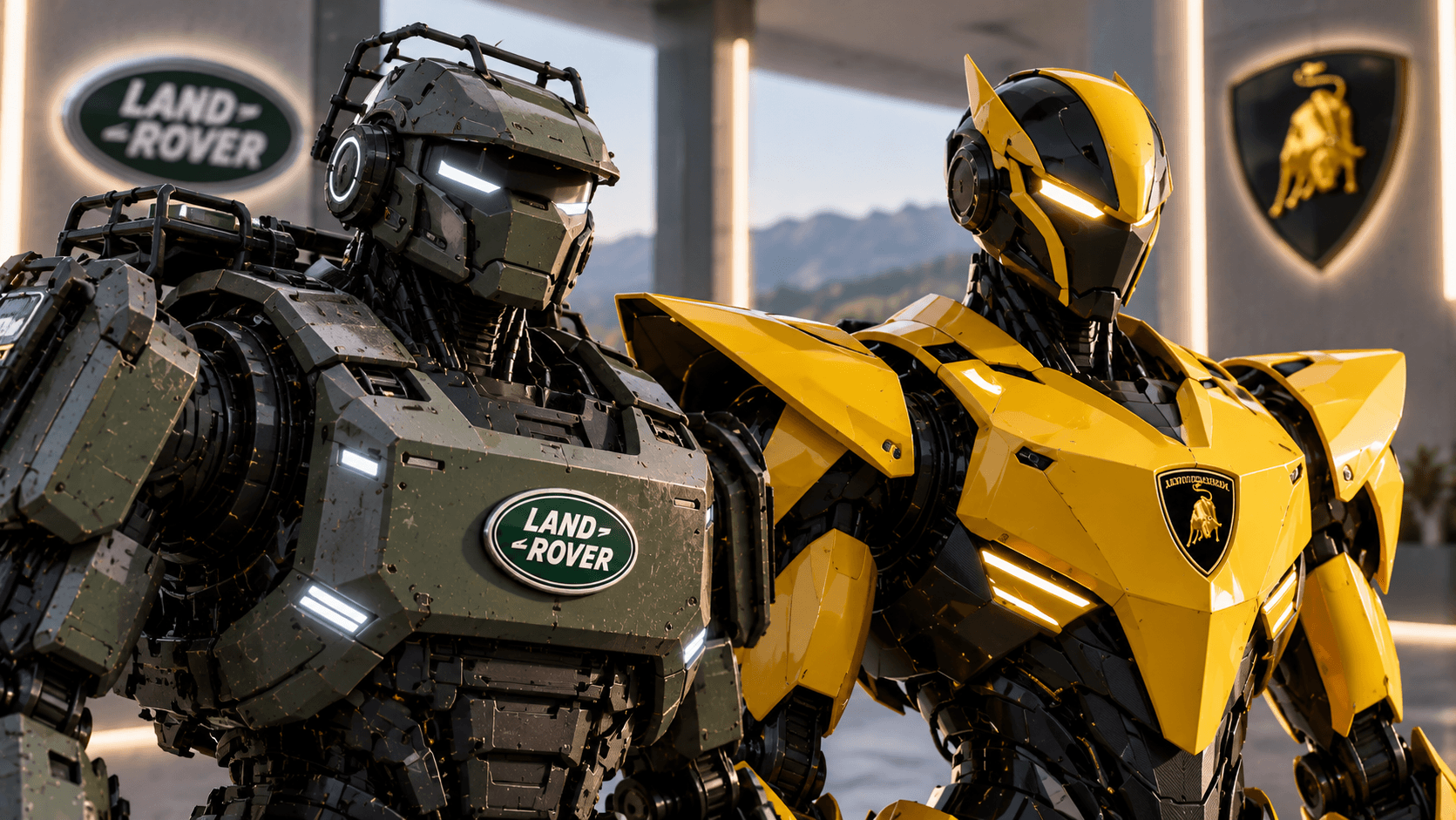
What would it look like if big car brands made robots?
Here comes the next step in the automotive-tech revolution – robots. Find out what it would look like if car manufacturers made robots.

Entertainment
1 min read
What would pubs look like made by iconic car manufacturers?
Using the power of AI, we took iconic car brands and turned them into pubs and bars from around the world. Explore our creations here.


