How much does a timing chain replacement cost? (2026)
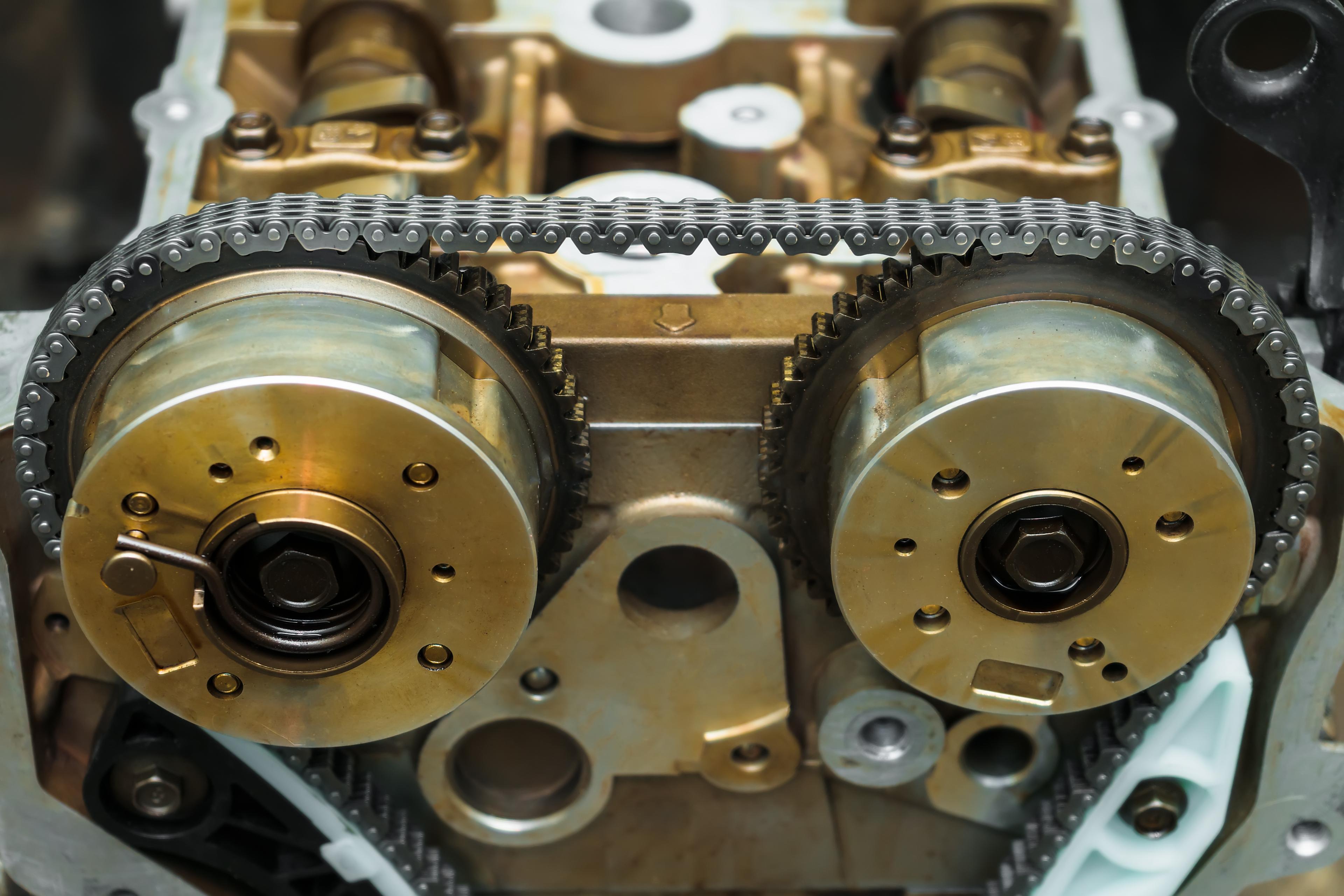
Timing chain replacements can cost anywhere from £900 to £2,000 in the UK. That’s around twice as much as most timing belt replacements. In this article, we’ll discuss what factors affect the timing chain replacement cost and why they cost so much more than a belt to replace.
How much does it cost to replace a timing chain?
On average, a timing chain is likely to cost between £800 and £1400 to replace, but this can vary greatly depending on the make and model of the car and where you take it to have the work done.
With premium marques, such as BMW, Mercedes and Audi, expect the upper end of the above range.
Economy cars, such as those made by Ford, Toyota, Vauxhall, etc, are usually less, mainly through lower parts prices and less complexity, averaging around £1,200 in 2026.
What affects the timing chain replacement cost?
Like any vehicle repair, there are numerous factors that affect the cost of replacing a timing chain in a vehicle, including the complexity of the engine, parts availability and cost, and labour rates.
Certain engines, such as the Volkswagen Audi Group Diesel 3.0 V6, have the timing chain at the back of the engine, meaning the whole engine needs to be removed to complete the job. Others, particularly performance cars, also need the engine removed, as the space under the bonnet is so limited.
The type of garage you take the car to also has a massive impact on price; independent garages are typically cheaper than the main dealer.

Why is a timing chain so much more expensive to replace?
Design: Unlike timing belts, manufacturers almost always claim that timing chains will last the lifetime of the engine, meaning they don’t make accessibility easy. This adds labour time.
Complexity: A timing belt is far cheaper to produce than a chain, as are the tensioning and lubrication systems needed.
Lubrication: Because timing chains run in oil, unlike belts (apart from infamous “wet belt” engines), the engine oil needs to be drained and replaced, adding cost.
Cars known to have timing chain issues
In years gone by, an engine having a timing chain was almost always preferable, but there is a growing list of cars that have timing chains that are known to be problematic:
BMW N47/N57 (2007 - 2014)
This engine powered many different BMW models from 2007 to 2014, such as the 3 series, 2 series, 5 series, X1, X3 and others. Basically, any 1.6, 2.0 or 3.0 diesel engine in a car made between 2007 and 2015 may be affected.
This otherwise great engine was marred by poor timing chain reliability, with many cars needing new chains and tensioners if caught in time, and others needing new engines.
The fault is thought to be a combination of an issue with the sprocket design, chains stretching prematurely, and tensioners not being reliable.
Land Rover 2.0 Ingenium Engine (2015 - 2019)
A common fault with JLR’s (Jaguar Land Rover) 2.0 diesel engine is well known in the industry. The most common cause of failure is the plastic chain guides that wear down and break, causing both a loose chain and debris in the oil.
The problem is so systemic that a number of class action lawsuits have been filed across the world, Jaguar issues various changes to the engine in 2019, that helped with some of the issues, but timing chain problems are still not uncommon.
How long does a timing chain last?
In cars with known timing chain issues, such as those listed above, general advice suggests replacing around 100,000 miles at most. The best way to check is to consult a local independent specialist.
Unlike servicing, or even timing belts, cam chains usually have a lifespan set by the manufacturer. This is because they’re usually considered to last the life of the engine, many owners of the cars mentioned above will attest to the contrary, though!
Signs your car needs a new timing belt
Because there are often no set replacement intervals, it’s important to keep an eye (and ear) out for the following symptoms of a worn timing chain on your car:
Metallic clattering/rattle on start up or whilst running
Rough idle – a lumpy or spluttering feeling
Check engine lights – a code reader will highlight crankshaft/camshaft correlation codes
Poor acceleration – hesitation when accelerating
What happens if you ignore a worn timing chain?
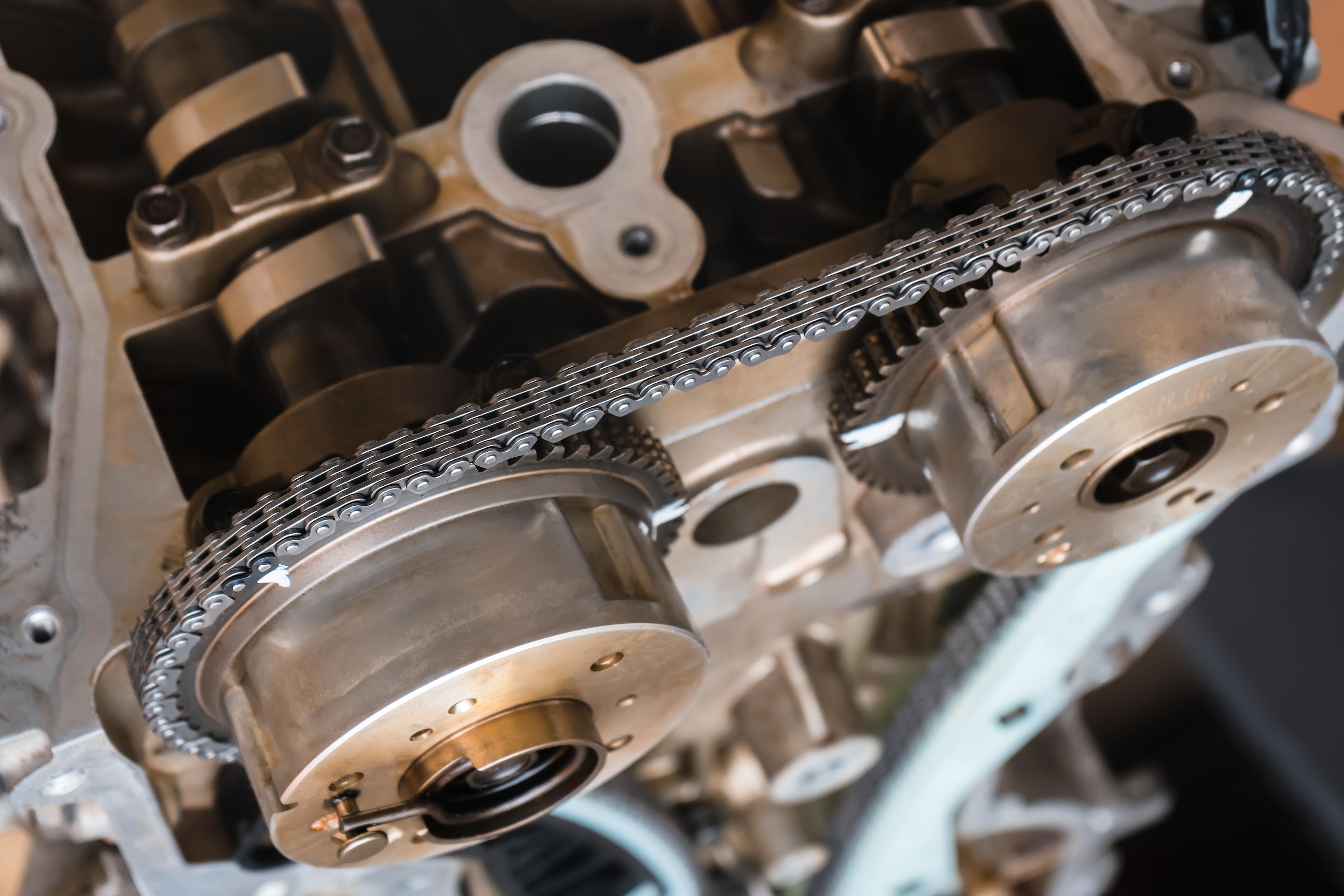
Timing chain replacement is expensive, but it is far cheaper than the alternative; replacing an entire engine - which is what is likely to be required if your timing chain snaps or jumps.
Once the timing chain starts to stretch, the guides or tensioners wear, or you notice any of the symptoms above, some amount of damage is already done, and continuing to use the car will only exacerbate it.
For this reason, it’s important to get your car checked out as soon as possible, especially if it’s a model known to have timing chain issues.
Bumper can help with timing chain replacement
If your car is making a suspicious noise that sounds like timing chain wear, or needs any other repair work done, Bumper's interest-free car repair finance can help. Split the cost of repair and maintenance into monthly instalments with no added costs. Apply online and choose from thousands of garages and dealerships.

Split your car repair cost over monthly repayments interest-free.
Split the cost of your next repair
Other related articles from our blog
Advice
2 min read
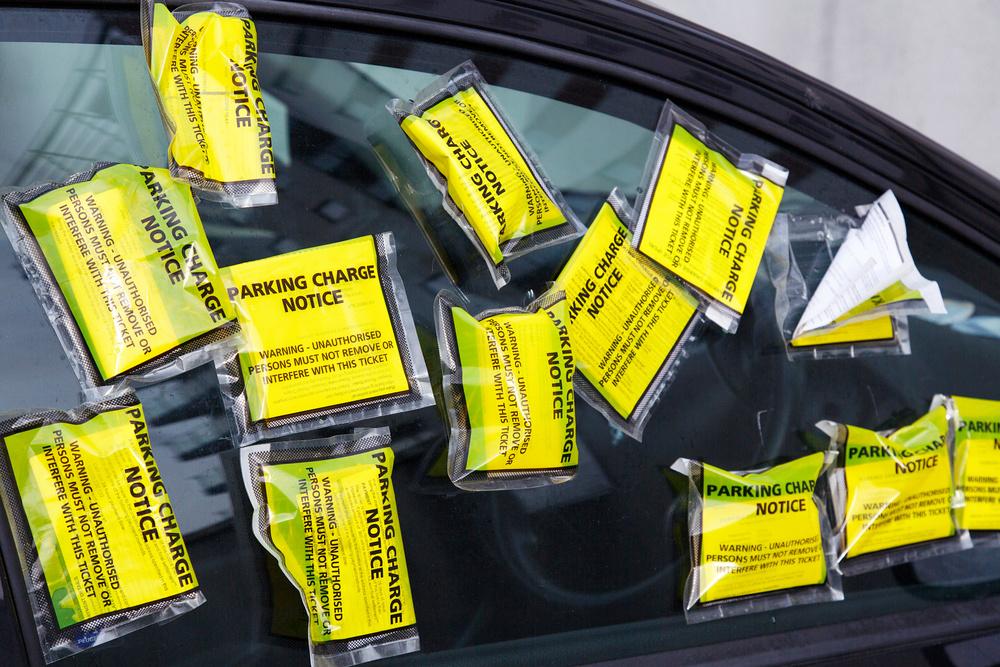
Andy Burnham puts an end to 'rip-off' parking charges and scams
The Government's new Private Parking Code of Practice outlines plans to reduce the effect of inflated parking fines in private car parks. Learn more about the Government's new plans here.

Advice
1 min read
Why the clocks going back could mean a big problem for drivers
A campaign has revealed why the end of British Summer Time could spell disaster for some drivers. Discover how reduced visibility at night and the start of a well-known animal's breeding season could increase the risk of a collision for some motorists.

Advice
3 min read
What the new Budget could mean for drivers: full list of potential changes
A full list of potential changes for drivers in the Government's upcoming Autumn Budget. What the new Budget could mean for the cost of fuel and EV ownership.


