How Much Does A New Car Battery Cost? From £100 (2026 Prices)
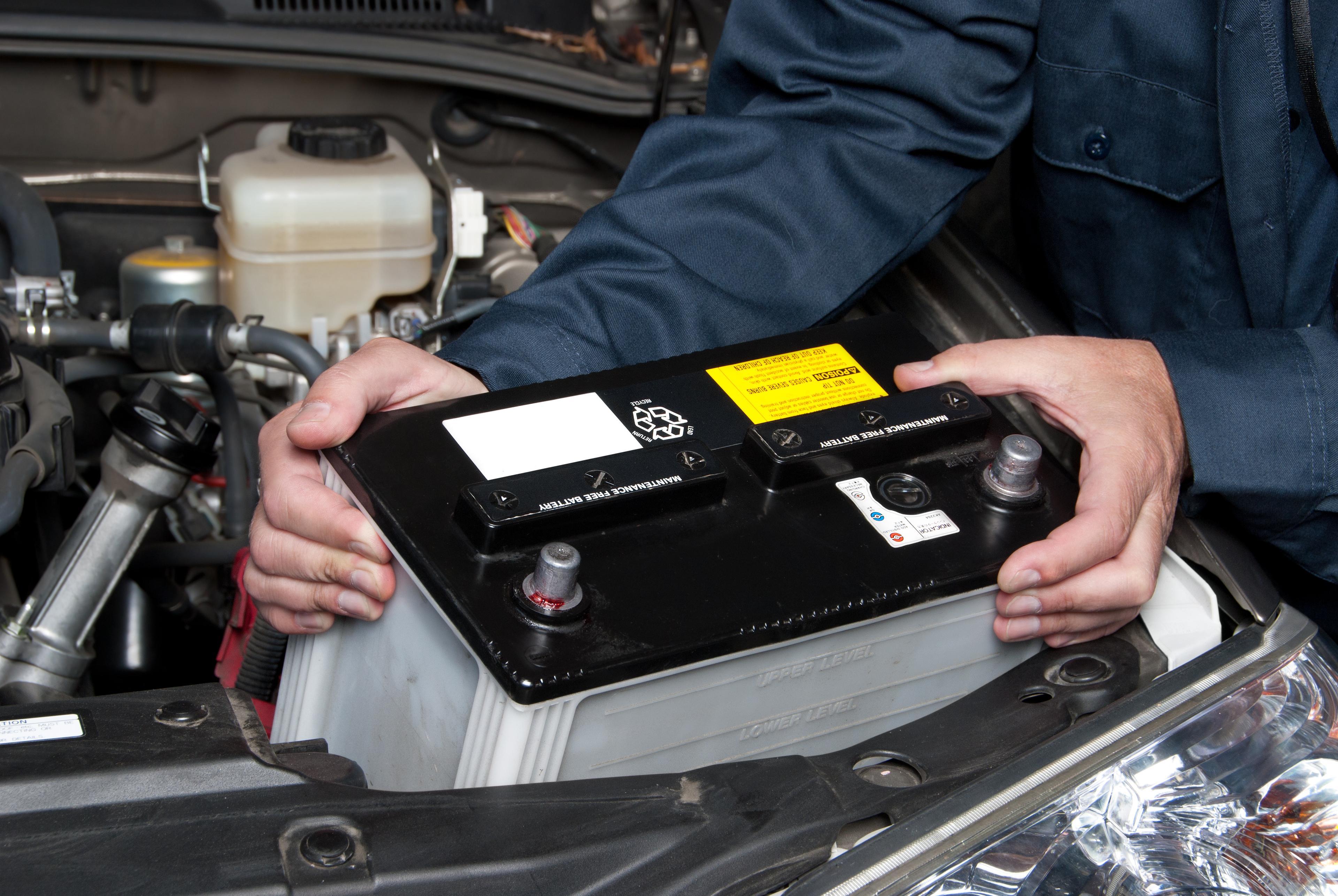
The average car battery replacement costs between £100 and £400 in the UK, but figures vary depending on the make and model of the vehicle.
Your car battery is the heart of your car. It powers the ignition, electronics, and everything in between. When it starts to fail, so does your ride. If your battery's on the fritz, don’t wait. Swap it out before it leaves you stuck or racks up a larger bill.
In this guide, we’ll break down average car battery replacement costs by car make, what drives battery prices, how to spot a dying battery, and smart tips to help yours last longer in 2026.
How much is a car battery replacement in the UK?
The average cost of a replacement car battery in the UK ranges from £100 to £400.
The final price depends on several factors, including battery size, type, brand, quality, and warranty. Below, we’ll break down the costs by car make and explain what else can affect the total.
Car battery costs and unexpected car repairs and replacement parts can be expensive, but with car repair finance you can split the costs into interest-free monthly payments.
Standard vs AGM/EFB battery costs
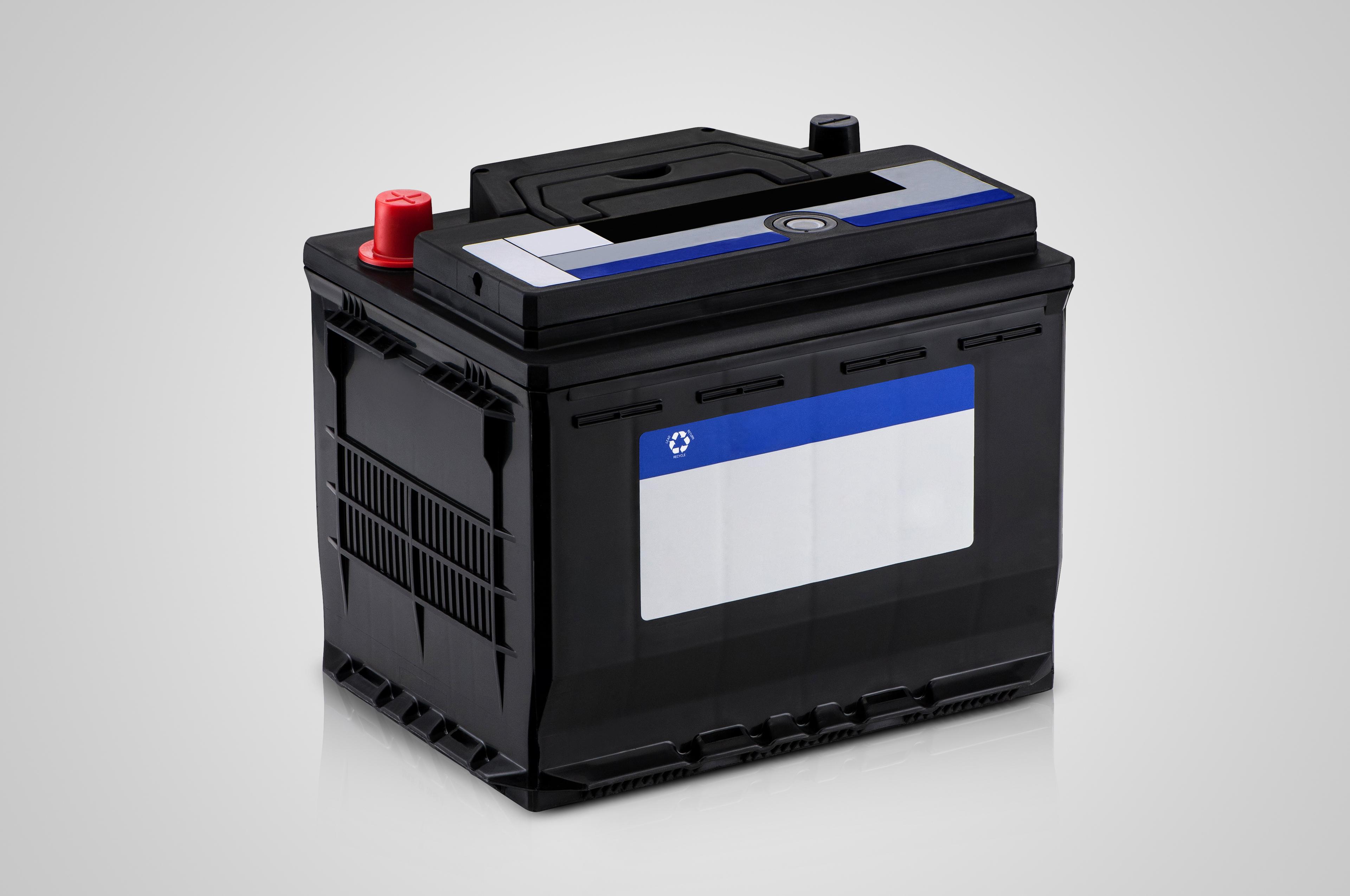
Standard lead-acid batteries are the most affordable option in 2026, typically costing around £70 to £150, depending on the vehicle. This is less than AGM and EFB options.
AGM (Absorbent Glass Mat) and EFB (Enhanced Flooded Battery) batteries are more advanced and designed for vehicles with start-stop systems or higher electrical demands. These usually cost between £120 and £400+, depending on the battery type and vehicle requirements.
Car battery replacement costs by car make
Here are some price ranges for car batteries of different makes in 2026.
Remember that these are general estimates based on the latest average prices, and actual costs may vary based on your vehicle model and local market conditions.
Car Brand | Average Battery Replacement Cost | Notable Models & Typical Prices |
|---|---|---|
Ford | £70 to £170 | Fiesta (£80–£150), Focus (£100–£180) |
Volkswagen | £110 to £220 | Golf (£110–£220), Polo (£90–£160) |
BMW | £200 to £400 | 3 Series (£180–£300), X5 (£200–£400) |
Mercedes | £180 to £400+ | C-Class (£150–£280), E-Class (£180–£350) |
Toyota | £120 to £260 | Yaris (£130–£170), Prius (£140–£260) |
Hyundai | £120 to £220 | i10 (£120–£140), Tucson (£140–£220) |
Car battery replacement costs by car location
Car battery replacement costs can vary by region due to differences in labour rates, availability, and local demand.
Urban areas and the South East tend to be more expensive, while prices in smaller towns or rural areas may be lower.
The prices below typically reflect standard lead-acid batteries for most petrol or diesel cars in 2026. Remember that AGM or EFB batteries, used in vehicles equipped with start-stop systems, typically cost more.
Location | Average Cost (£) |
|---|---|
London | 150 – 400 |
South East England | 140 – 380 |
South West England | 130 – 350 |
Midlands | 120 – 330 |
North West England | 120 – 320 |
North East England | 110 – 300 |
Car Battery Options Explained: Budget vs Mid Range vs Premium
Car batteries in the UK generally fall into three main categories: budget, mid-range, and premium.
The right battery replacement option depends on your vehicle’s electrical demands, driving habits, make and model, and whether your car uses features like start-stop technology.
In 2026, prices vary depending on battery type and performance level. Budget batteries suit older or simpler vehicles, mid-range options cover most everyday cars, and premium batteries are designed for modern vehicles with higher electrical loads and advanced systems.
Here's a quick comparison of general battery replacement costs in 2026:
Category | Cost 2026 UK | Battery Type | Best For |
|---|---|---|---|
Budget | £70 to £120 | Standard lead acid | Older cars with low electrical demand |
Mid range | £100 to £180 | EFB / improved lead acid / entry AGM | Most everyday petrol and diesel cars |
Premium | £200 to £400+ | AGM / high performance EFB | Start stop vehicles, modern and luxury cars |
Need a car battery replacement? Explore pay-monthly battery replacements with Bumper.
Why do car batteries cost so much?
Many car batteries are more expensive due to the use of high-quality materials that last longer and offer better reliability. Likewise, modern cars equipped with start-stop systems require advanced batteries, further increasing prices.
Some vehicles require specialised or proprietary batteries made just for their make and model, which adds to the cost.
Knowing these factors helps you choose a battery that balances upfront price with long-term value, making it easier to get the best overall deal.
Related Reading: How much does a replacement hybrid battery cost in the UK?
Is there a car battery replacement labour cost?
Yes, when you pay for a new car battery, you’ll also need to pay for the mechanic’s skills and time.
Labour costs are usually included in the garage quote, so you shouldn’t face extra fees. If unsure, ask your mechanic whether the quote covers just the battery or also their labour.
How long does a car battery replacement take?
Replacing a car battery usually takes 30 minutes to an hour.
Complications or hard-to-find batteries can stretch this to several hours or even days. Labour time varies by vehicle and technician skill. For busy commuters, a reliable battery is key to avoiding unexpected breakdowns and delays.
What is the average life of a car battery?
Most car batteries last 3 to 5 years, but their lifespan varies.
Extreme hot or cold weather strains batteries, shortening their life. Frequent stop-and-go driving or short trips that don’t allow full recharging also wear batteries down faster.
Factors affecting the cost of car batteries
Calculate your car battery’s price at a glance by checking the top factors that affect costs below.
Battery size and capacity: Larger vehicles with more powerful engines may require higher-capacity batteries, which can be more expensive.
Battery type: There are three main types of car batteries: lead-acid, absorbed glass mat (AGM), and lithium-ion. Lead-acid batteries are the most common and affordable, while AGM and lithium-ion batteries offer better performance but come at a higher price.
Brand and quality: Well-known brands with a reputation for quality products may charge more for their batteries. However, this doesn't always mean cheaper alternatives are lower quality.
Warranty: Batteries with longer warranties cost more but offer peace of mind and can save money if replaced during that period.
How do I know when my car battery needs replacing?
There are several signs that your car battery may be nearing the end of its life. If you notice the issues below, it’s time to go battery shopping.
Slow engine cranking: If your engine takes longer than usual to start, this could indicate a weak battery.
Dimming headlights and other electrical issues: Flickering or dimming headlights, reduced power in electronic systems, and other electrical problems can be signs of a failing battery.
Frequent jump-starts needed: If you find yourself needing to jump-start your car often, this is a clear sign that your battery is struggling to hold a charge and may need to be replaced.
Battery warning light on the dashboard: This warning light usually indicates an issue with the charging system, which could involve the battery, alternator, or other related components.
4 tips to help extend a car battery's life
To get the most out of your car battery and potentially delay the need for a replacement, follow these maintenance tips:
1. Proper maintenance and cleaning
Keep your battery clean and corrosion-free by regularly checking the terminals and applying a battery terminal cleaner or baking soda solution.
2. Avoiding short trips
Frequent short trips can prevent your battery from fully charging, leading to a shorter lifespan. Try to combine errands into longer drives to give your battery time to recharge.
3. Monitoring battery charge and health
Use a multimeter or battery tester to periodically check your battery's voltage and overall health.
4. Disconnecting the battery when not in use for extended periods
If you know your car will be idle for an extended period, disconnect the battery to prevent gradual discharge.
Do I need a new car battery or a battery recharge?
If your battery is slowly losing power, causing electronic issues and trouble starting the car, it likely needs replacing since a recharge may only be temporary.
If the battery is completely dead through no fault of your own, it definitely should be replaced.
Should you replace a car battery yourself or use a garage?
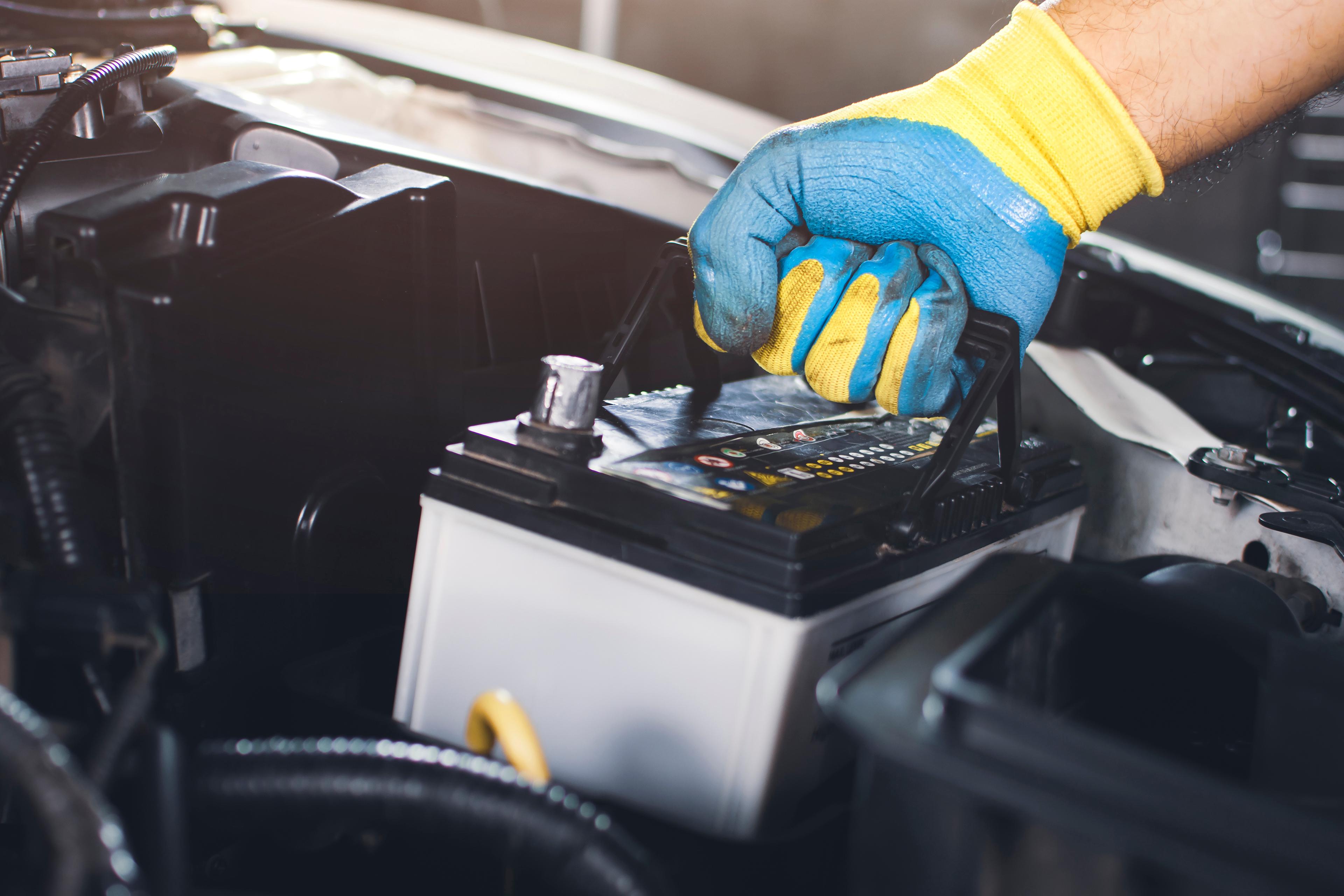
Some drivers can replace a car battery themselves if they are confident and knowledgeable about basic car maintenance, as it can reduce costs.
DIY replacement typically costs only the price of the battery itself, while garage fitting usually adds around £30 to £120 in labour on top of the battery cost. However, many modern vehicles require battery coding or have complex electrical systems, making professional fitting safer.
Booking with a garage ensures correct installation, proper disposal of the old battery, and compatibility checks, which help avoid potential electrical issues or breakdowns later.
Pro Tip: Bumper recommends that if you’re on the fence or unsure, it’s best to book with a mechanic!
The takeaway
Finding out your car needs a new battery can be frustrating but don’t worry, there is a simple fix.
With the right tips you can keep your battery running longer and avoid surprises on the road. Safe journey!
Split the cost with Bumper
Whether you need a whole new battery or another auto repair, car repair finance can help reduce the stress.
With Bumper, you can split the cost of repairs into monthly payments at no extra cost.
Apply online for up to £5,000 and choose from 1,000s of trusted repairers.

Split your car repair cost over monthly repayments interest-free.
Split the cost of your next repair
Other related articles from our blog

Advice
2 min read
This summer car washing method could be wrecking your vehicle
Every driver wants to have a clean car, but washing your car with this popular summer method could lead to premature ageing of the vehicle's tyres.
Advice
2 min read
Everyday driving mistake that could cost you thousands
Drivers are discovering that a simple driving habit could land them a big fine. Discover more about the everyday driving mistake that could cost you thousands.

Advice
5 min read
Tyre Replacement Cost Guide: £45 to £250+ (2026)
Tyre replacement costs range from £45 to over £250 for British drivers. See a list of tyre change costs and find out what your car needs online with Bumper.


