How reliable are Teslas? (Buyer's guide 2026)
Tesla remains one of the most popular EV brands sold in the UK. In this article, we’ll take a look at how reliable they are and how their most popular models rank compared to other cars.
Are Teslas reliable?
In a recent What Car? reliability survey, the Model 3 placed 9 out of 20 cars. This might make you think the Model 3 is unreliable, but EV’s in general are proving to be more reliable than ICE (internal combustion engine) cars, thanks to their relative simplicity.
The Model Y, Tesla’s most popular model, fares even better in reliability scores, regularly placing highly in the reliability charts. Discover our full Tesla Model Y reliability guide for a full breakdown.
Most reliable Teslas
There are 4 different Tesla models you can get in the UK. If you’re considering one but want to make sure it’s reliable, here's a full rundown.
Model Y - Scores highly thanks to it being a later model, where many of the quirks and manufacturing issues of previous models have been worked out
Model 3 - Still highly rated by reliability reports, most warranty issues related to cabin trim noise or suspension issues in early models.
Model S - A more complex car with air suspension and other tech, which was one of the first EVs of its kind
Model X - A sleek but flawed car with various suspension and door problems, again due to its high complexity
Are Teslas more reliable than petrol or diesel cars?
When comparing the reliability of Tesla’s most popular models (the Model Y, 3 and S), to the average internal combustion engine car, the electric vehicles almost always come out on top.
This is despite the numerous Tesla build quality issues talked about in the motoring world, but thanks to their simplicity, almost all EVs tend to be more reliable than their equivalent petrol or diesel cars.
Common Tesla Issues
Like all cars, Teslas come with their fair share of common faults, some due to design issues, some to manufacturing, and some to software. Because Tesla shares a lot of parts and designs between models, some issues affect more than one car:
Model Y and Model 3 common faults
Front upper control arms: bushes tend to squeak and rattle and require replacement
High tyre wear: the heavy weight and high power of the car, coupled with suspension issues, can lead to very high tyre wear
Tail light condensation: leading to shorting connectors and fogged lights
Model S and Model X common faults
Stuck door handles: prevalent on 2014-2018 model year cars, the automatically retracting door handles can fail to retract
Air suspension issues: complex air suspension can leak to uneven ride heights and burnt out compressors
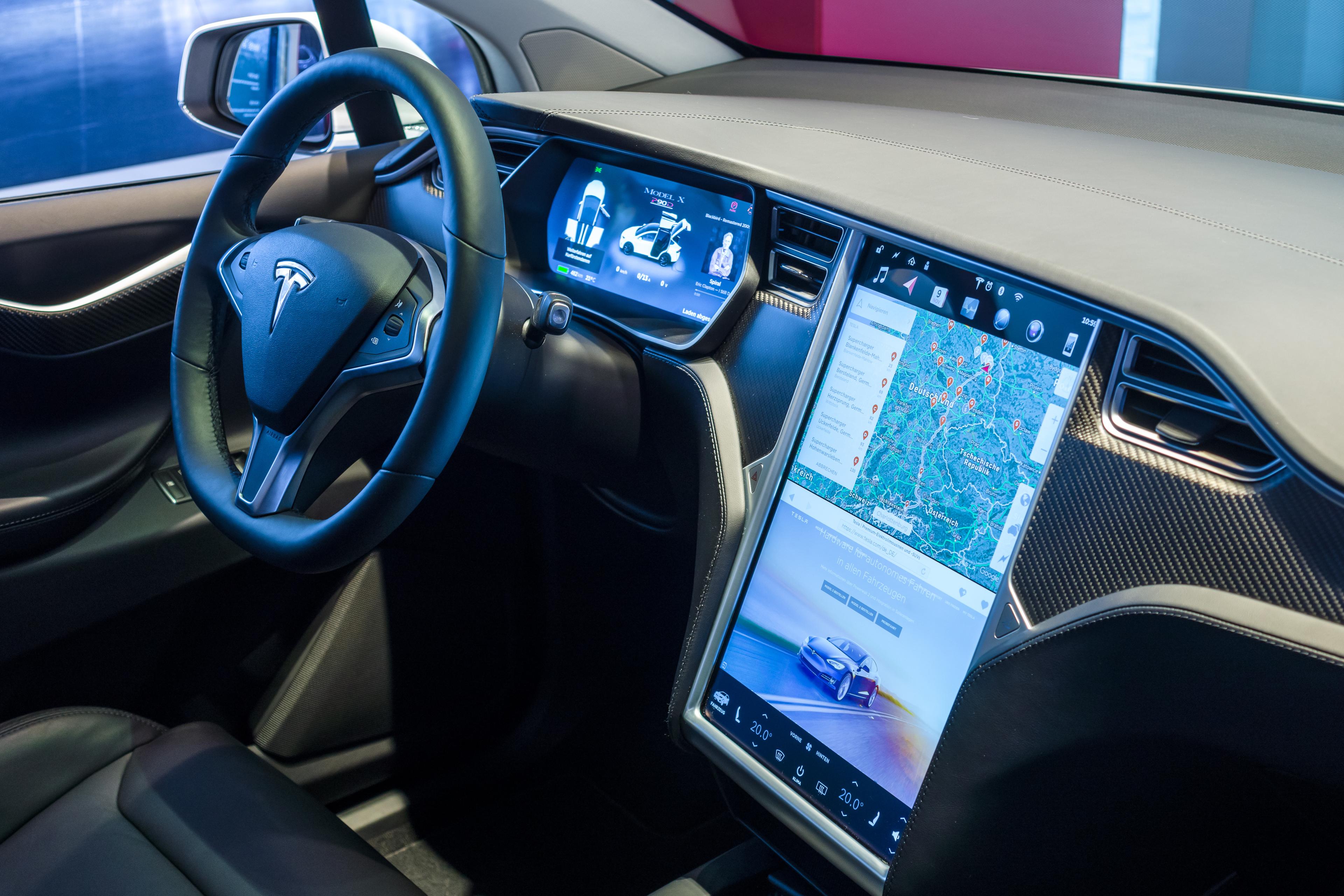
MCU failures: on older cars, the central control screen, termed the MCU or Media Control Unit, can be slow to respond and generally become buggy
Is Tesla ownership different to traditional cars?
With over-the-air (OTA) diagnostics and servicing, Tesla set out to revolutionise the dealer-customer experience, and they mostly succeeded, with many other manufacturers now following suit.
OTA Software updates
Own a Tesla, and you are likely to be pleasantly surprised when a new feature suddenly appears on your dashboard.
With the cars already being crammed full of tech like powerful processors, large screens and multiple sensors, adding a new driving or infotainment feature is entirely possible, without the car needing to leave your driveway.
Recent features added to existing Tesla cars:
24 hours AI-assisted dashcam monitoring
AI voice assistant
Pet mode
Advanced navigation options
OTA diagnostics
With the cars able to connect wirelessly to Tesla’s servers, any issues can immediately be looked into by a diagnostic tech. Drivers can also call any of the many service centres to check out unusual behaviour or faults they have noticed.
This is in stark contrast to vehicles of the past, where drivers had to take them to a pre-booked and costly garage for diagnostic and repair.
Mobile servicing
Mobile mechanics have been around for decades, but Tesla themselves run mobile service vehicles they call the Mobile Rangers.
These can be booked through the app, to change things like low voltage batteries, bulbs and other minor repairs.
Direct to consumer sales
The way Tesla manages to offer such a customer-focused service is that they do not operate franchised dealerships, like almost every other manufacturer.
The dealership is owned by the company themselves, allowing better control over stock movements, price changes and vehicle updates.
It also means they can offer a competitive warranty, Tesla service centres are known for generally being good with paying out for repairs.
Repair your Tesla with Bumper
If you have an older Tesla that is out of warranty, another type of EV, or even a petrol or diesel car, Bumper can help with zero-interest car repair financing.
Find your nearest Bumper-approved mechanic here, and spread out your car repair costs into manageable monthly installments.

Split your car repair cost over monthly repayments interest-free.
Split the cost of your next repair
Other related articles from our blog
Advice
2 min read
Andy Burnham puts an end to 'rip-off' parking charges and scams
The Government's new Private Parking Code of Practice outlines plans to reduce the effect of inflated parking fines in private car parks. Learn more about the Government's new plans here.
Advice
1 min read
Why the clocks going back could mean a big problem for drivers
A campaign has revealed why the end of British Summer Time could spell disaster for some drivers. Discover how reduced visibility at night and the start of a well-known animal's breeding season could increase the risk of a collision for some motorists.

Advice
3 min read
What the new Budget could mean for drivers: full list of potential changes
A full list of potential changes for drivers in the Government's upcoming Autumn Budget. What the new Budget could mean for the cost of fuel and EV ownership.


