Is a PHEV worth it in 2026?
When they launched, plug-in hybrid cars were heralded as the perfect compromise between expensive and polluting diesel cars and low-range electric vehicles. But with the advances in battery technology, are PHEVs still worth buying?
What is a PHEV?
A hybrid vehicle uses both electric motors and internal combustion to power it. The first mainstream hybrid, the Toyota Prius, used a battery that could only be charged by the car's engine or regenerative braking.
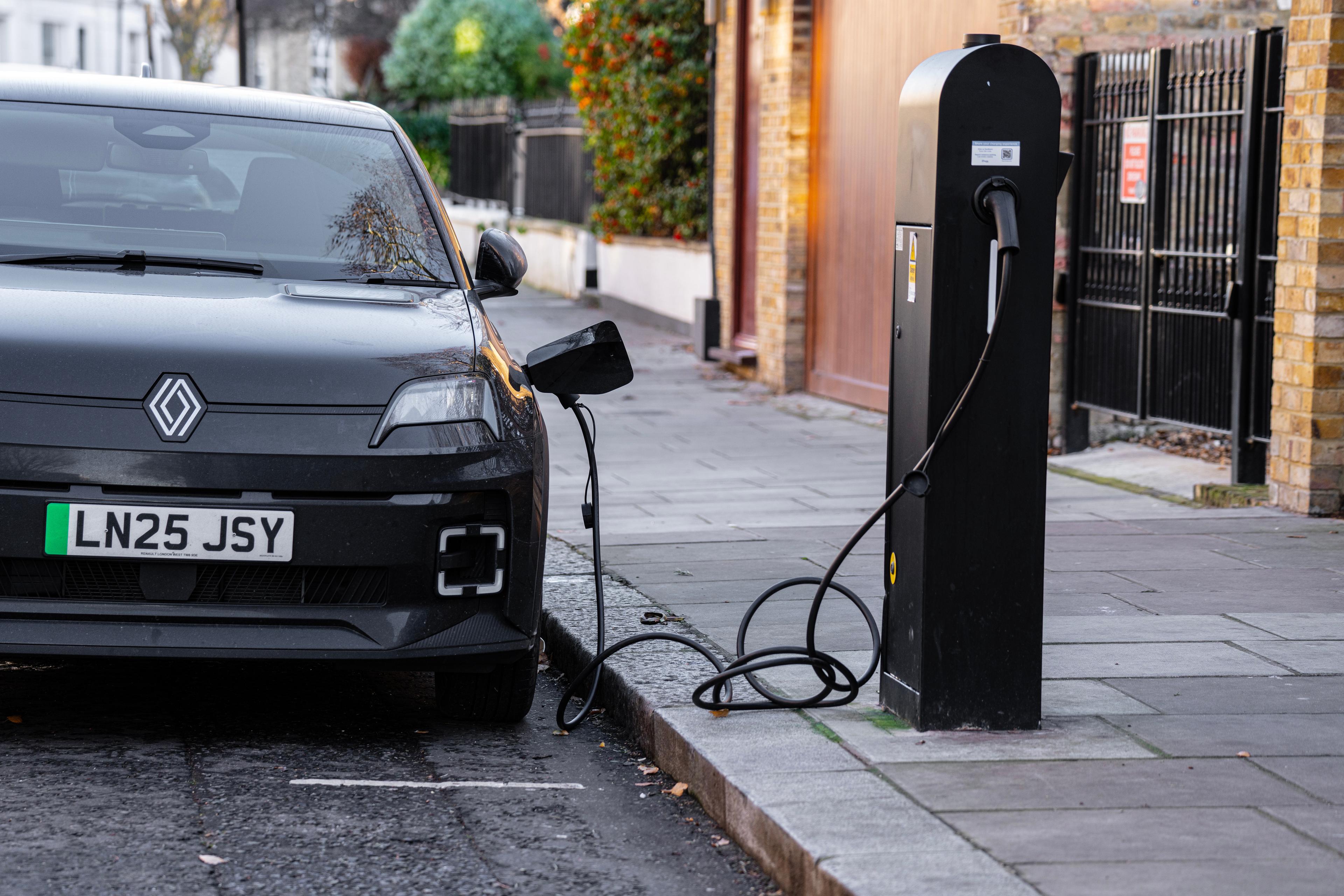
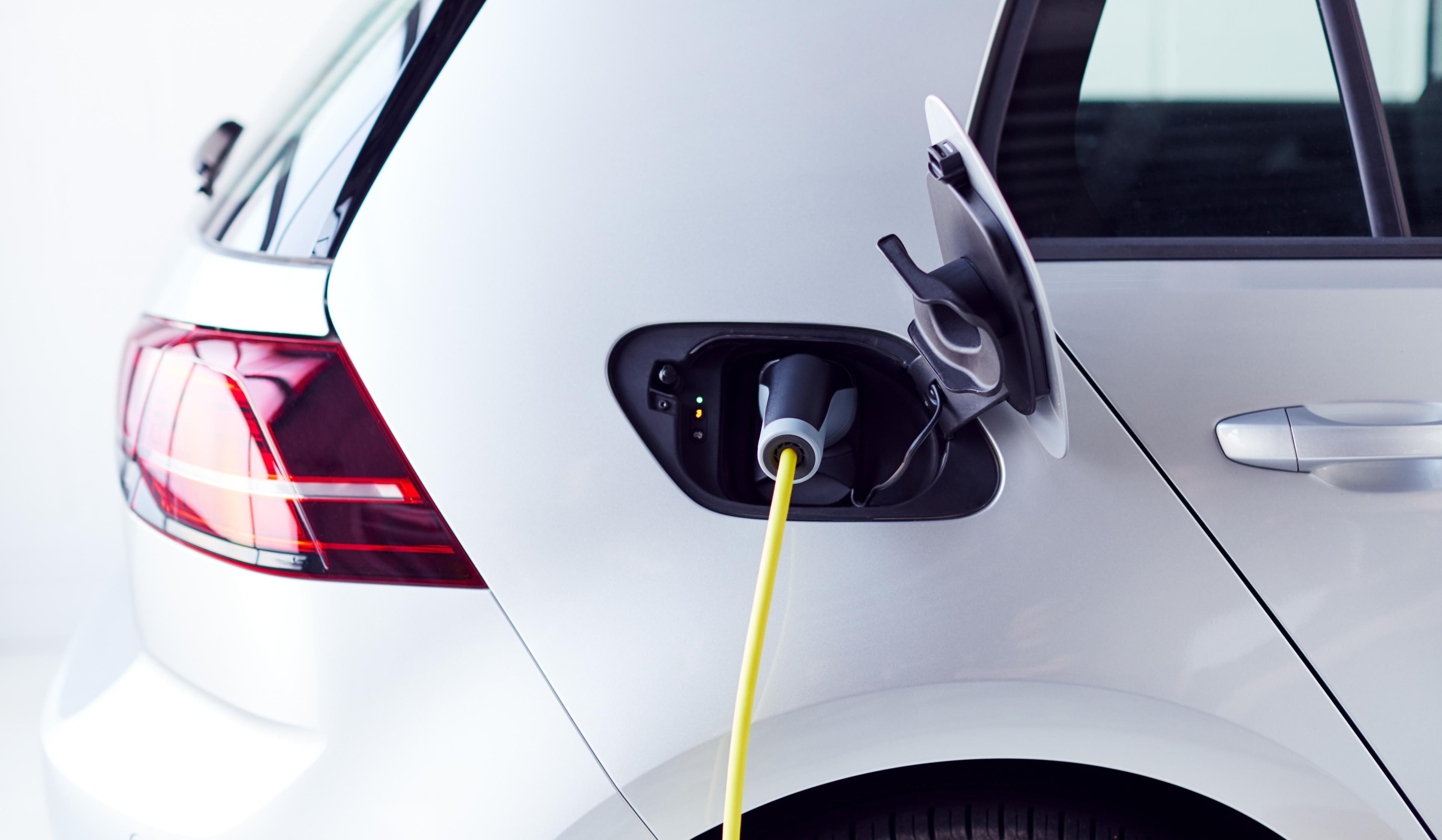
Plug-in hybrids typically use a larger battery that is still charged by the engine and regenerative braking, but can also be charged from an EV charge point; this gives the benefit of being able to do short journeys on electric power, without the range issues of full EVs.
Should you buy a PHEV?
Whilst a PHEV sounds like the ideal solution, consider both your use case, budget and the limitations of the cars available.
Reliability
Plug-in hybrids have all the disadvantages of both power sources; they have a complex internal combustion engine that needs servicing, and they have a high-voltage, expensive electrical motor, controller and battery system.
As a result, they often rank lower than their petrol or electric counterparts in reliability charts.
In some cases, they can be more expensive to fix compared to internal combustion-powered vehicles, requiring EV-qualified mechanics when working near the battery.
Budget
Whilst there are some outliers, as a general rule, PHEVs are more expensive to buy than petrol or electric vehicles. This is again because they are more complex to manufacture.
This means that for the same budget, you are likely to get a lower-spec vehicle compared to buying a pure electric or petrol/diesel car. Depending on usage, PHEVs can be more expensive to run than EVs.
Running costs
The costs to run a PHEV vary depending on what type of journeys you make and where you charge.
If you use a PHEV mostly for short journeys, on battery-only power, and can charge at home, the running costs are comparable to an EV. However, if you use it for longer trips, where the petrol engine is activated, the costs are in line with a standard hybrid car.
In some cases, such as when used for only long journeys, and without charging at home, the MPG can be worse than a hybrid or even a petrol-powered car, as PHEVs are generally heavier.
When to avoid buying a PHEV
If you fall into any of these categories, we would suggest looking at other fuel types:
Regularly do long journeys: If your daily/bi weekly commute for instance, is longer than the battery only range, you will be using the petrol engine most of the time, negating the savings of the EV system
Cannot charge at home: the cost of public chargers can be very high, and they are usually not very convenient
Looking to buy an older vehicle: older vehicles will have even less battery only range
On a tight budget: PHEVs are more complex that other types, so older ones are more likely to present you with large repair bills. Consider a simple petrol engined car, or a reliable EV.
If you very rarely do long journeys: it’s probably not worth carrying the extra weight of an engine, over simply getting a BEV, and planning charge stops on the occasional long journey.
Who are PHEVs perfect for?
We’ve covered a lot of the downsides of a plug in hybrid, but if your situation is close to the following criteria, it could well be worth looking into a PHEV:
Able to charge at home
 Usually do journeys shorter than the battery only range
Occasionally need to do longer journeys
Those buying privately (not as a company car)
Are PHEVs good company cars?
PHEVs can be good company cars, depending on the EV only range. Whereas all BEV (battery electric vehicles) are charged at 4%, PHEV rates start at 8% and rise to 17%, depending on their electric only range. However, this is set to change in April 2028.
The table below shows the current and proposed BiK rates for PHEVs that produce less than 50g of CO2 per Km. Double check any PHEV you are looking into, as some SUVs emit more than this rate, subjecting them to an even higher BiK tax.
EV only range (miles) | 2026/27 rate | 2027/28 rate | 2028 onwards rate |
|---|---|---|---|
Over 130 | 4% | 5% | 18% |
70-129 | 7% | 8% | 18% |
40-69 | 10% | 11% | 18% |
30-39 | 14% | 15% | 18% |
Less than 30 | 16% | 17% | 18% |
Repair your PHEV with Bumper
If your PHEV, EV or petrol/diesel car has an issue, Bumper can help with repair costs, without breaking the bank. Choose from one of hundreds of approved garages, and spread the cost into manageable monthly payments.

Split your car repair cost over monthly repayments interest-free.
Split the cost of your next repair
Other related articles from our blog

Advice
2 min read
Andy Burnham puts an end to 'rip-off' parking charges and scams
The Government's new Private Parking Code of Practice outlines plans to reduce the effect of inflated parking fines in private car parks. Learn more about the Government's new plans here.

Advice
1 min read
Why the clocks going back could mean a big problem for drivers
A campaign has revealed why the end of British Summer Time could spell disaster for some drivers. Discover how reduced visibility at night and the start of a well-known animal's breeding season could increase the risk of a collision for some motorists.

Advice
3 min read
What the new Budget could mean for drivers: full list of potential changes
A full list of potential changes for drivers in the Government's upcoming Autumn Budget. What the new Budget could mean for the cost of fuel and EV ownership.


