
What are the cheapest cars to repair in the UK? (2026 guide)
Running a car is expensive; every driver is all too familiar with the ever-increasing running costs like insurance, road tax and fuel. But car repairs can be a large and unexpected surprise that pops up when you least want it to.
That’s why buying a car with a view to keeping potential repair costs low is always a good idea. Whether it's through simplicity, availability or reliability, a car that presents fewer and smaller bills is a good thing.
These are our top picks for cars that are generally cheap to repair.
Cheapest cars to repair and maintain
Ford Fiesta
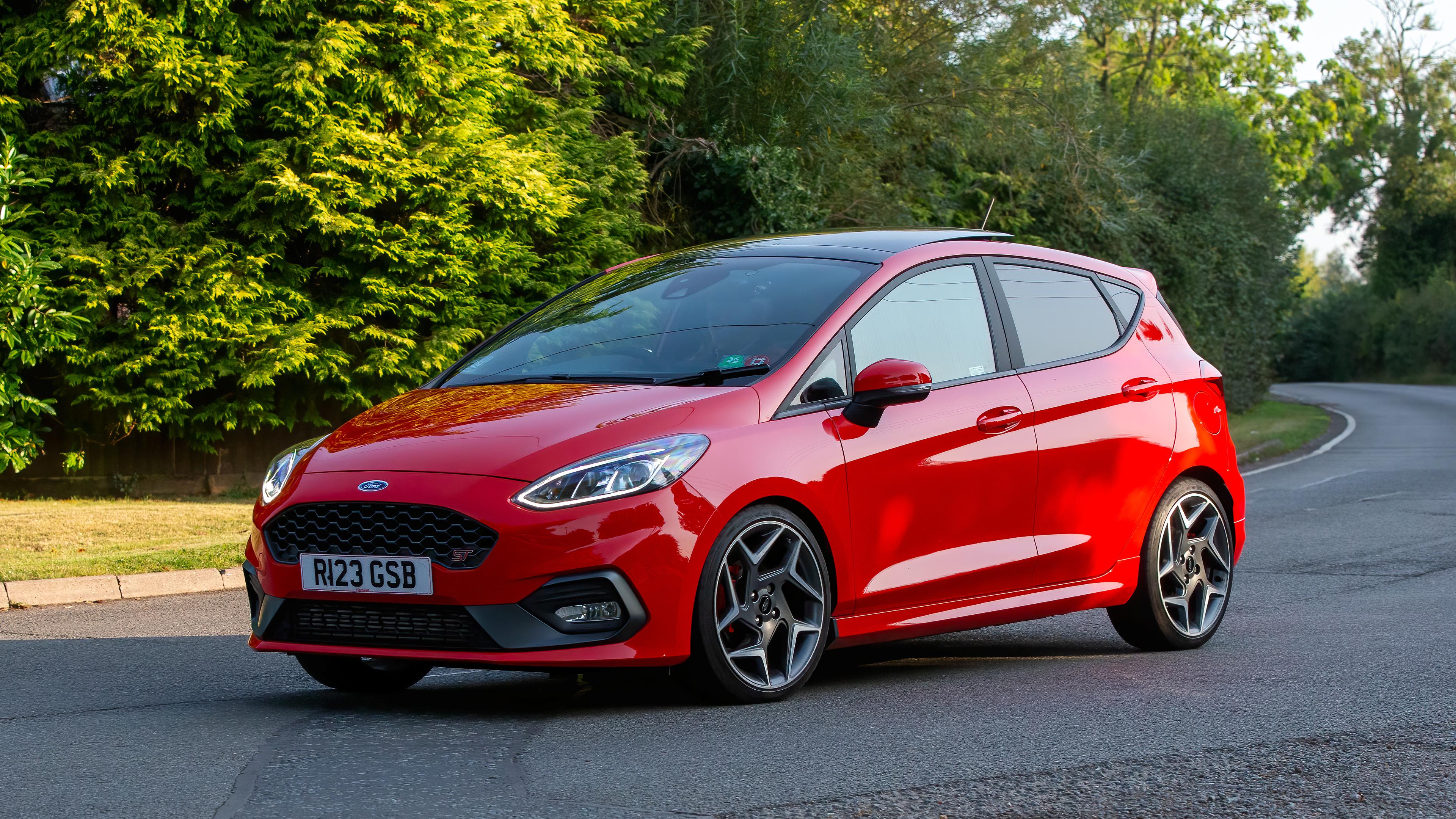
Annual repair costs: £180 to £320
Annual Maintenance costs: £180 to £240
Still the most common car on the road in the UK, the Fiesta benefits from very cheap parts costs and an extremely large selection of garages to choose from. You’d be hard-pressed to find a non-dealer mechanic who hasn’t worked on a Fiesta!
Because of their popularity and Ford’s good service network, parts are relatively cheap compared to other brands. Dealer rates seem high, but they are quite reasonable compared to other brands.
We’d suggest a car without the troublesome wet-belt engine, such as the 1.5 diesel or any petrol made before 2012.
Toyota Yaris
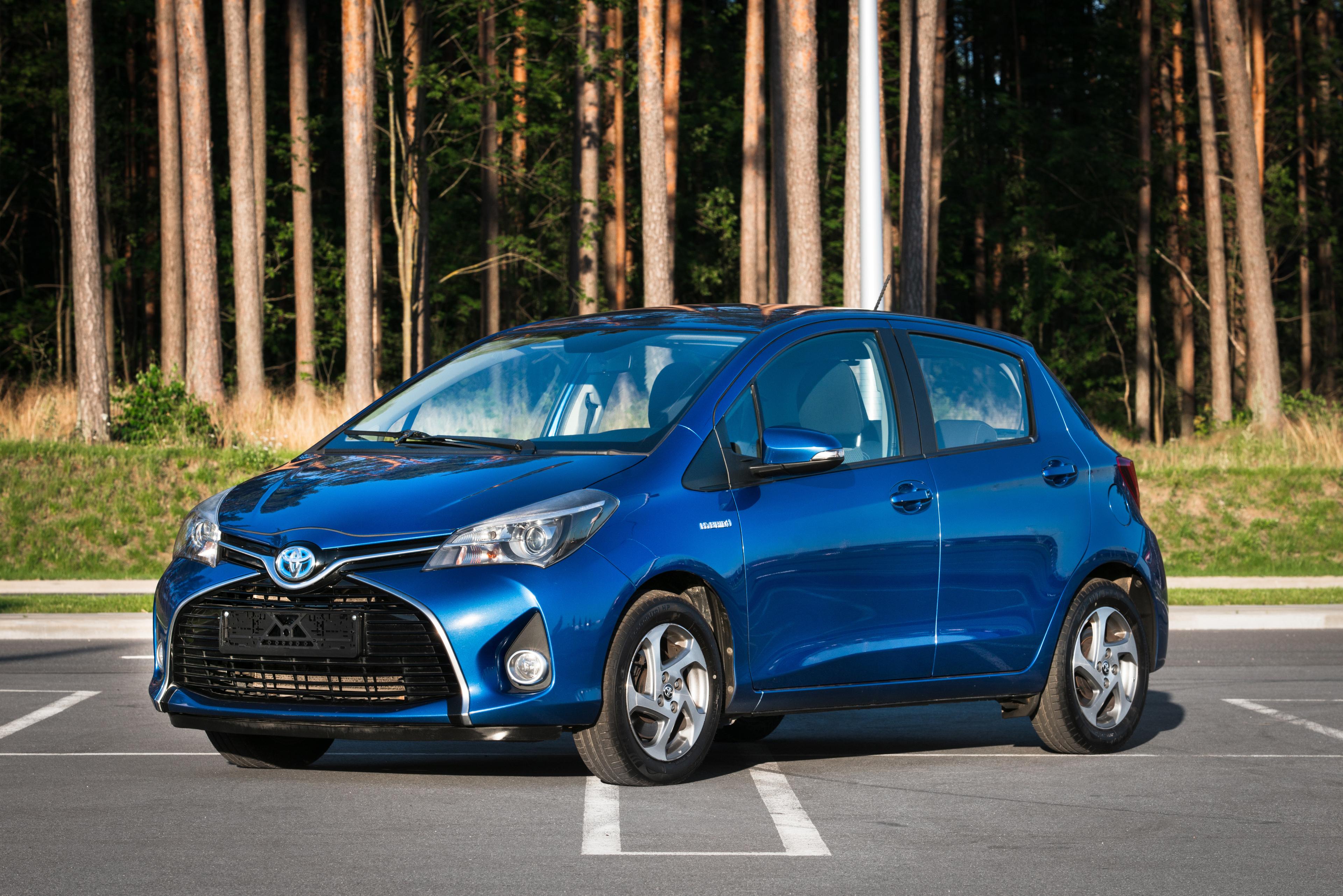
Annual repair costs: £180 to £350
Annual Maintenance costs: £190 to £270
A combination of popularity and Japanese high-quality engineering makes these cheap to run and repair. Over 80% of all the Yaris sold in the last 20 years are still on the road!
One thing to look out for, as with many Japanese cars, is rust. Check under the sills and subframes before you commit to one. But find a well-serviced one, and you’re more than likely in for years of low-cost motoring.
Skoda Fabia

Annual repair costs: £190 to £360
Annual Maintenance costs: £190 - £270
Thanks to years of development, under various other model names (VW Polo, Seat Ibiza etc), the Fabia is a very well made car. Skoda uses high quality rust proofing, and very robust engine and drivetrain designs.
The only fly in the ointment being that parts costs can be higher than other European or Japanese manufacturers. Dealer labour rates are also high, though for the same reason as the others, most garages will be able to work on a Fabia.
Cheapest family cars to repair
Ford Focus

Annual repair costs: £240 - £350
Annual Maintenance costs: £180 - £340
The Focus still remains as the benchmark for family hatchbacks, offering a good amount of room, at a reasonable price point, and low running costs. For the same reasons as the Fiesta, parts and dealer rates are some of the lowest out there.
Mechanic knowledge too is not a problem, and any independent garage will be happy to work on one. As with the Fiesta, it’s recommended to avoid a wet-belt engine.
Toyota Prius
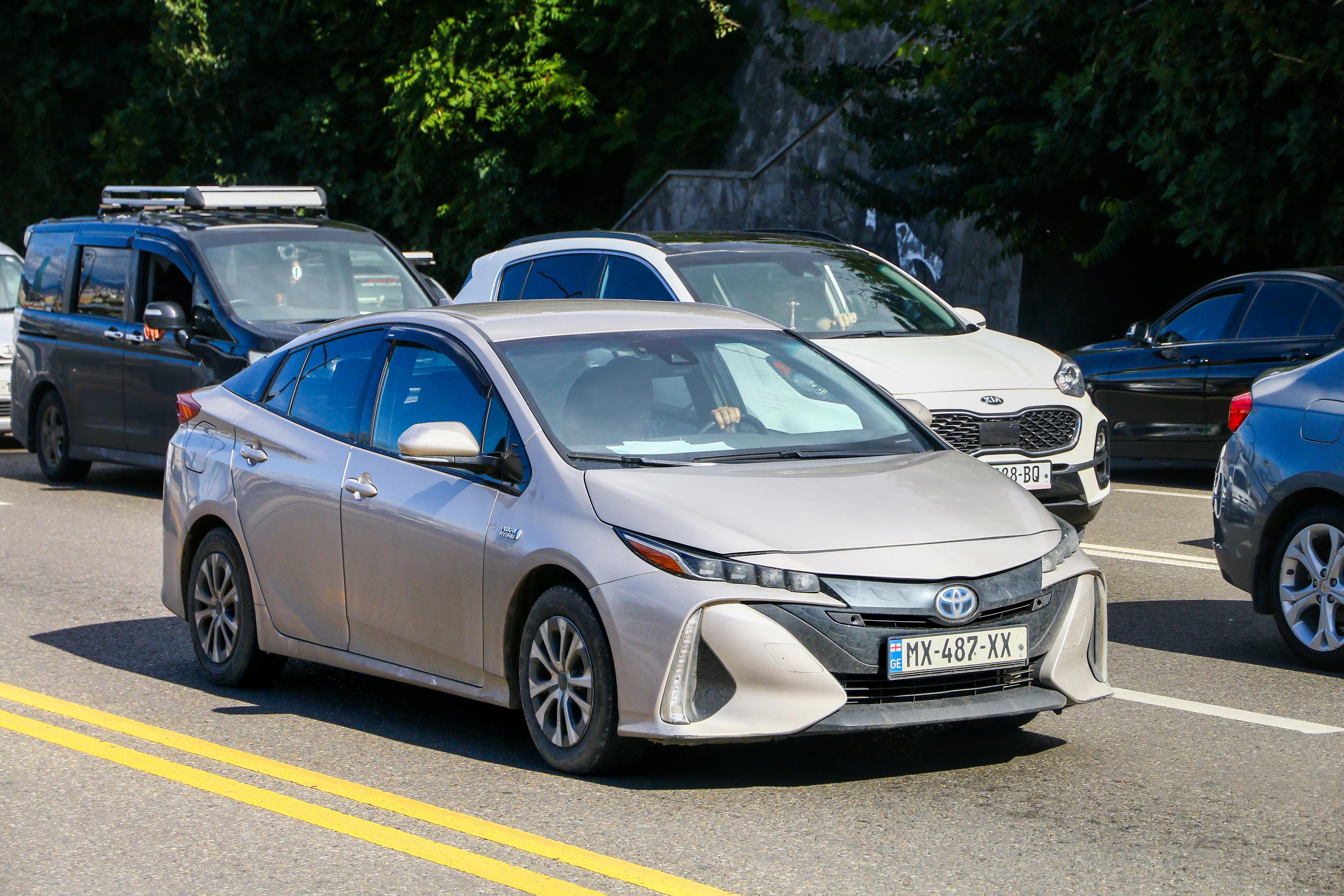
Annual repair costs: £160 - £400
Annual Maintenance costs: £180 - £380
The way the Prius’ drivetrain works has earned it a near bulletproof reputation for reliability. Toyota's Hybrid Synergy Drive connects the electric motor and petrol engine to the wheels in a way that cuts out many of the components traditionally responsible for high repair bills.
These include a clutch, dual mass flywheel, gearbox, starter motor or alternator. Of course, the system that does this can have issues, but they are renowned for their robustness.
Just be sure to check the battery health of any potential purchase, as replacing it can be very expensive. For more on buying a used hybrid, we have a separate buying guide to help.
Skoda Octavia

Annual repair costs: £260 - £380
Annual Maintenance costs: £180 - £390
In a similar vein to the Fabia mentioned above, the Skoda Octavia shares many parts with other Volkswagen Audi group cars, meaning both the manufacturer and design of its components are tried and tested.
That said, Octavia parts can also be more expensive than some brands, but still not in the same realm as premium marques such as BMW or Audi. If you need even more space, the Octavia estate offers a cavernous boot to transport luggage or pets.
What makes a car expensive to repair?
Complexity
A simple, normally aspirated (not turbo or supercharged) petrol engine with a manual gearbox, has less things to break than a high performance engine, with 8 and speed automatic transmission.
The latter is likely to also have more added components to increase power, decrease fuel consumption and add luxury. This is the one of the reasons the Yaris, Fiesta and Prius are on the lists above, they use simple drivetrains.
Not only does this make cars more reliable, it also cuts down on labour costs, as there tends to be less work involved in repairing or replacing broken parts.
Reliability
It stands to reason that the more a car breaks down, the more it's going to cost per year to keep running. Some cars, despite having many modern, complex components, are still reasonable to repair.
This is usually due to high manufacturing accuracy, and good design. This often goes hand in hand with a long manufacturing run, i.e. the car model being in production for a long time, and a large manufacturer with lots to spend on R&D.
Parts cost and availability
Usually when a car breaks down, it will need new parts to get it back on the road again. The cost of those, and how easy they are to get, is a major factor in overall repair costs.
If parts are hard to get locally, garages can be forced to use more expensive suppliers, have a part shipped in from abroad, or risk having a disassembled car clog up their lift or workshop.
Availability of labour
Certain jobs on particular models can require specific knowledge and experience, as well as access to the correct diagnosis software. Mechanics that have this, are in high demand and therefore charge more for labour.
A simple car, that any garage can work on, will enable you to use trustworthy but non-specialist garages, which in some cases can half the per-hour labour costs.
Repair your car with Bumper
Even if you own a car that’s economical to repair, you can still be caught short by a large and unexpected repair bill. That’s where Bumper can help. Split your bill with interest-free car repair finance. Apply online and choose from thousands of reliable repairers.

Split your car repair cost over monthly repayments interest-free.
Split the cost of your next repair
Other related articles from our blog

Advice
2 min read
Andy Burnham puts an end to 'rip-off' parking charges and scams
The Government's new Private Parking Code of Practice outlines plans to reduce the effect of inflated parking fines in private car parks. Learn more about the Government's new plans here.

Advice
1 min read
Why the clocks going back could mean a big problem for drivers
A campaign has revealed why the end of British Summer Time could spell disaster for some drivers. Discover how reduced visibility at night and the start of a well-known animal's breeding season could increase the risk of a collision for some motorists.

Advice
3 min read
What the new Budget could mean for drivers: full list of potential changes
A full list of potential changes for drivers in the Government's upcoming Autumn Budget. What the new Budget could mean for the cost of fuel and EV ownership.


