Brake Calliper Replacement Cost Guide (2026)
Brake calliper replacement costs range from £150 to £220+ for UK drivers.
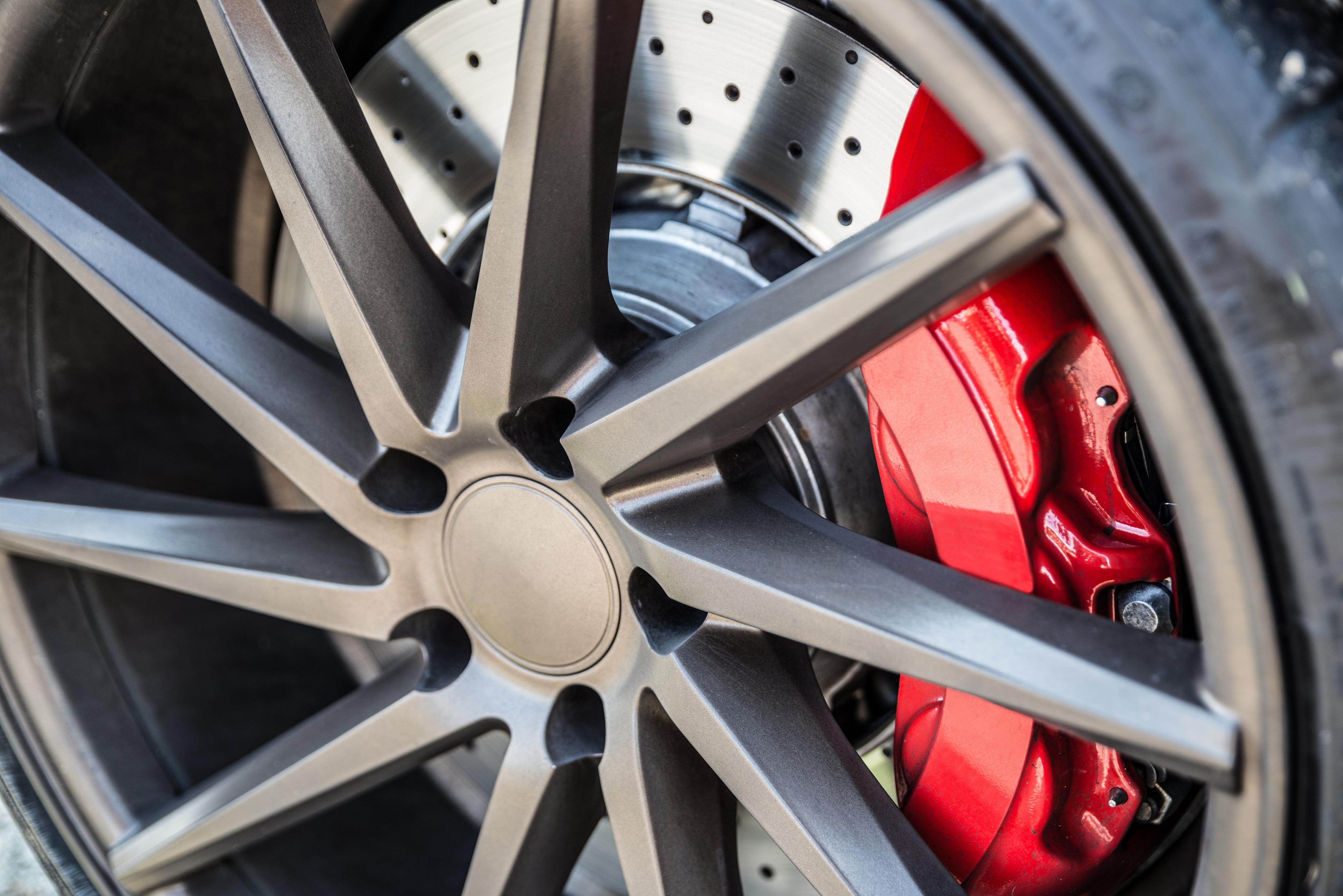
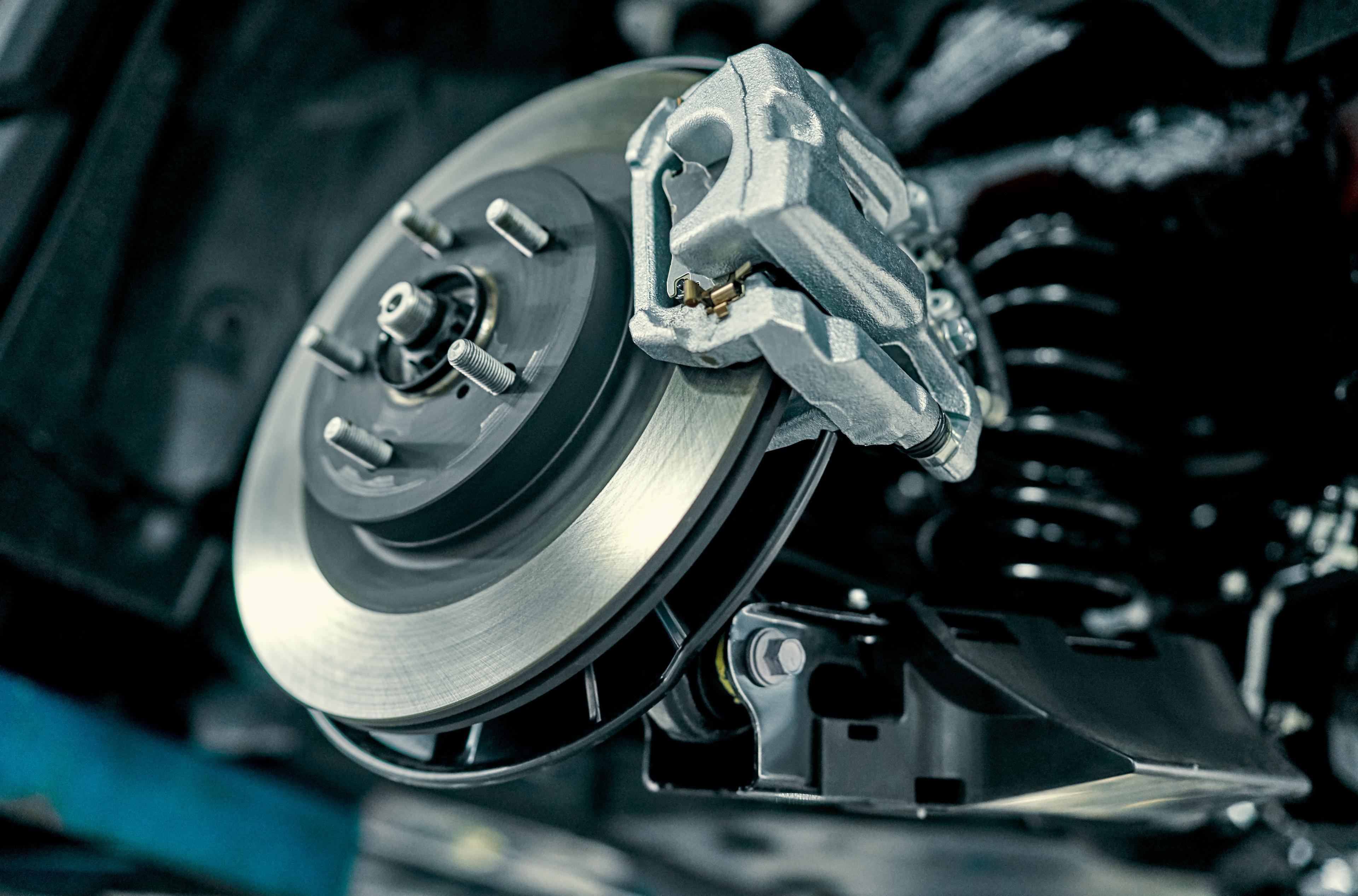
A brake calliper sits over the brake disc and uses hydraulic pressure to push the brake pads against the disc when you press the brake pedal. Because it directly controls braking force, a failing calliper can quickly become a safety issue.
Below, we’ll break down brake calliper replacement costs and the key warning signs to look out for.
How much is a brake calliper replacement cost?
In the UK, the average cost to replace a brake calliper is £150 to £220, with most drivers paying approximately £180, depending on their vehicle.
Costs vary based on labour rates, vehicle design, and whether additional brake components need attention during the repair. Bumper always recommends keeping these factors in mind when estimating costs.
Here are the average brake calliper replacement costs per car type in 2026.
Car type | Average cost |
|---|---|
Small city car | £150 – £180 |
Hatchback / saloon | £160 – £200 |
SUV / 4x4 | £180 – £240 |
Luxury / performance | £220 – £350+ |
Larger and heavier vehicles typically require more robust braking systems, which increases replacement costs. For all vehicles, you can use a car repair loan to split the replacement cost into interest-free repayments.
Brake caliper replacement by makes and models
Make and model can also affect the replacement cost. Premium brands often cost more due to parts pricing and specialist labour.
Below, we’ve outlined the average brake caliper costs by popular UK makes and models for 2026.
Make | Average cost |
|---|---|
Ford | £251 |
Vauxhall | £260 |
Volkswagen | £252 |
BMW | £294 |
Audi | £279 |
Mercedes-Benz | £261 |
Nissan | £283 |
Toyota | £239 |
Can brake calipers be repaired instead of replaced?
In some situations, brake calipers can be repaired rather than replaced. Light issues, such as sticking slide pins or minor seizures, may be resolved by cleaning and lubrication.
However, if the caliper is leaking, heavily corroded or internally damaged, replacement is usually the safest option. Calipers are critical to braking performance, so replacement is often recommended when there is any doubt about reliability.
What are the signs of a bad brake caliper?
If you notice signs of a faulty brake caliper, it is important to get your braking system checked quickly.
Common warning signs include:
Car pulling to one side when braking
Reduced braking performance
Burning smell after driving or heavy braking
Squealing or grinding noises
Uneven brake pad wear
Brake fluid leaking near the wheels
Vibration when braking
Brake warning light on the dashboard
What causes a brake caliper to fail or seize?
Unfortunately, brake calipers can fail over time due to wear and environmental conditions.
When a caliper seizes, it can cause uneven braking and excessive heat, which increases safety risks. Therefore, Bumper recommends drivers to brush up on the potential causes.
Common causes include:
Corrosion from UK weather and road salt
Dirt and grime building up on components
Seized pistons inside the caliper
Sticking slide pins
Brake fluid contamination or leaks
Lack of regular maintenance
How long does a brake caliper replacement take?
Replacing a brake caliper usually takes around 1 to 2 hours per caliper.
In some cases, the job may take longer if bolts are seized or corroded, or brake bleeding is required. Likewise, if additional brake components need inspection or replacement, the replacement will take longer.
That said, most repairs can be completed the same day. Your mechanic will provide a personalised estimate.
What does a stuck brake caliper feel like while driving?
A stuck brake caliper can affect how your car drives in noticeable ways, including:
The car pulling to one side
A burning smell coming from one wheel
One wheel feeling hotter than the others after driving
Reduced fuel economy
Sluggish acceleration or a feeling of resistance
These symptoms usually indicate the brake is partially applied even when you are not pressing the pedal. If you notice any of them, call the garage!
Do faulty brake calipers cause an MOT failure?
Yes, brake caliper issues can contribute to an MOT failure if they affect braking performance. Because brakes are a key safety system, any significant caliper fault will be flagged during testing.
Common MOT-related problems include:
Uneven braking force between wheels
Brake fluid leaks
Seized or sticking calipers causing brake imbalance
Reduced braking efficiency
Can I drive with a bad brake caliper?
No, it is not recommended to drive with a faulty brake caliper.
A sticking or seized caliper can cause overheating, uneven braking, and increased stopping distances, which are dangerous for you and other drivers.
In severe cases, it can also damage brake pads and discs, leading to more expensive repairs. If you suspect an issue, it is best to have it inspected as soon as possible.
What is the average lifespan of a brake caliper?
Brake calipers typically last around 8 to 10 years or 80,000 to 100,000 miles, depending on driving conditions and maintenance.
Pro Tip: Frequent short trips, wet weather and road salt exposure can reduce lifespan over time.
Can I replace just one brake caliper?
It is possible to replace a single brake caliper, but it is usually not recommended.
Replacing calipers in pairs (front or rear axle) helps maintain balanced braking performance. If only one is replaced, it can lead to uneven braking and reduced stability.
Final summary
While calipers are built to last many years, they can fail, and a prompt replacement is always recommended. Hopefully, the brake caliper replacement costs on this page have helped you understand what to expect.
If you notice pulling, burning smells or reduced braking performance, it is important to act quickly. Do not delay!
Split the cost with Bumper
A worn brake caliper is not a fun finding. However, with Bumper, you can split the cost of brake caliper replacement costs with car repair finance at no extra cost.
Apply online for up to £5,000 and choose from 1,000s of trusted repairers.

Split your car repair cost over monthly repayments interest-free.
Split the cost of your next repair
Other related articles from our blog
Advice
2 min read
Andy Burnham puts an end to 'rip-off' parking charges and scams
The Government's new Private Parking Code of Practice outlines plans to reduce the effect of inflated parking fines in private car parks. Learn more about the Government's new plans here.
Advice
1 min read
Why the clocks going back could mean a big problem for drivers
A campaign has revealed why the end of British Summer Time could spell disaster for some drivers. Discover how reduced visibility at night and the start of a well-known animal's breeding season could increase the risk of a collision for some motorists.

Advice
3 min read
What the new Budget could mean for drivers: full list of potential changes
A full list of potential changes for drivers in the Government's upcoming Autumn Budget. What the new Budget could mean for the cost of fuel and EV ownership.


