
Bumper named amongst Europe’s fastest growing companies
Bumper has been named in the FT1000: Europe’s Fastest-Growing Companies 2026, for the sixth year in a row.
The automotive fintech ranks at number 36 in the Fintech, Financial Services & Insurance category of the Financial Times’ prestigious list of Europe’s fastest-growing companies – and number 328 overall.
The inclusion comes after a year of impressive growth for Bumper, which last year expanded its suite of payment products with the launch of the UK’s first payments orchestration platform built for automotive, Bumper Pro. Bumper Pro enables dealerships to combine in-store and online payments into a single platform – simplifying payments management, lowering costs and giving clearer visibility into sales and aftersales performance.

James Jackson, CEO and Co-Founder at Bumper, said: “It’s an honour to be listed in the FT1000 for the sixth year in a row. The ranking follows another remarkable year of growth for Bumper – we surpassed £1.5bn in GMV, raised a further £8 million in funding and launched our new payments orchestration platform, Bumper Pro. We have ambitious plans for the year ahead and look forward to supporting even more dealerships to drive operational efficiency and reduce financial friction for their customers.”

Split your car repair cost over monthly repayments interest-free.
Other related articles from our blog

News
1 min read
Cost to fill up a family car hits £94
The cost to fill up a typical 55-litre family car reaches £94 for petrol and £106 for diesel. Prices are set to continue rising, with the cost of oil now at over $100 per barrel.

News
1 min read
Body Control Modules breakdowns double since 2020
Breakdowns due to Body Control Modules have doubled since 2020, the AA has reported. The BCM controls many of the car's electrical systems and can make it difficult for drivers to explain the problem.
News
2 min read
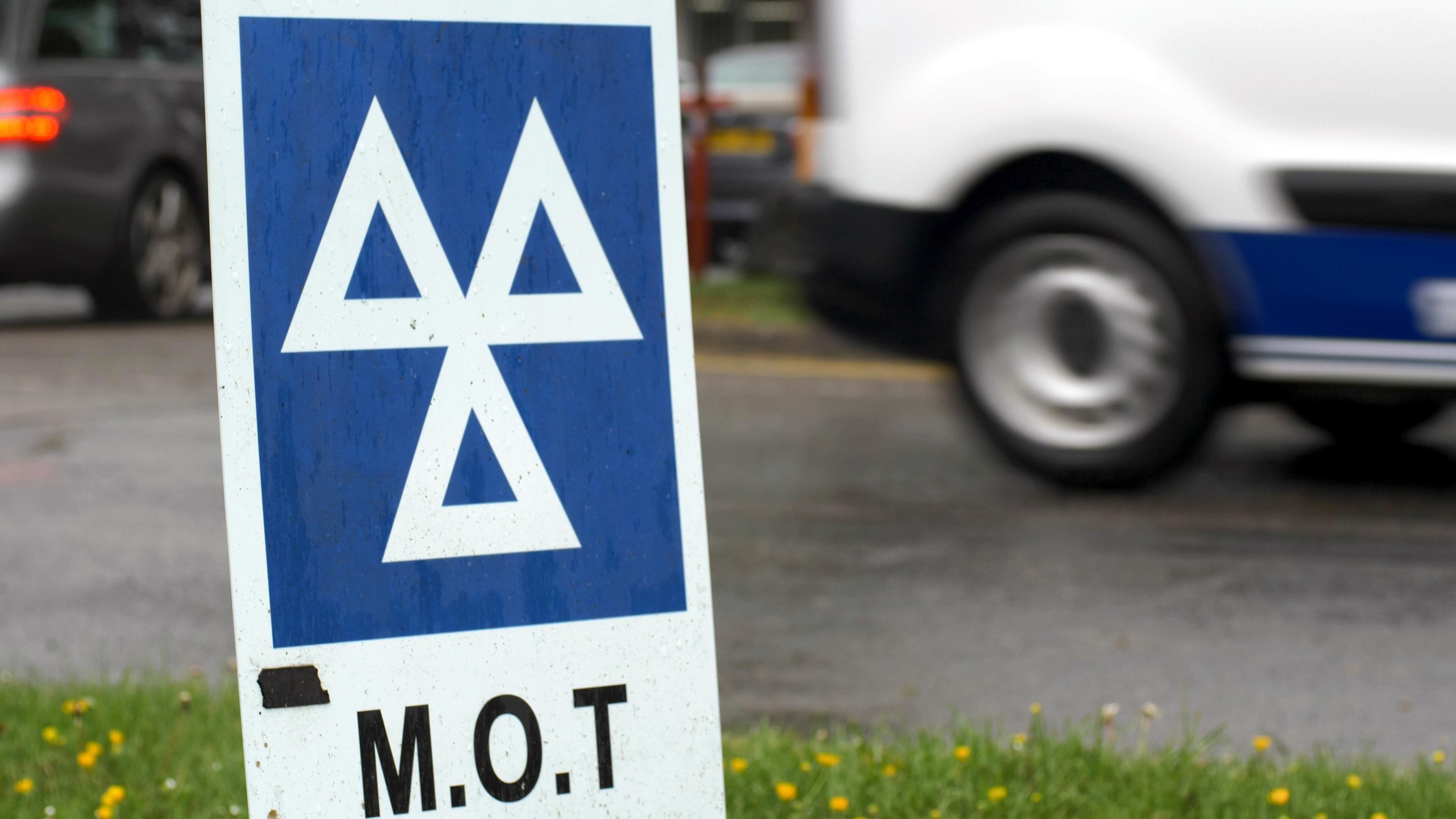
Independent Garage Association pushes for MOT fee increase
The independent Garage Association has made plans to call on the Government to increase the MOT fee to £95. Garages said they are facing additional cost pressures that a fee increase would help them to meet.


