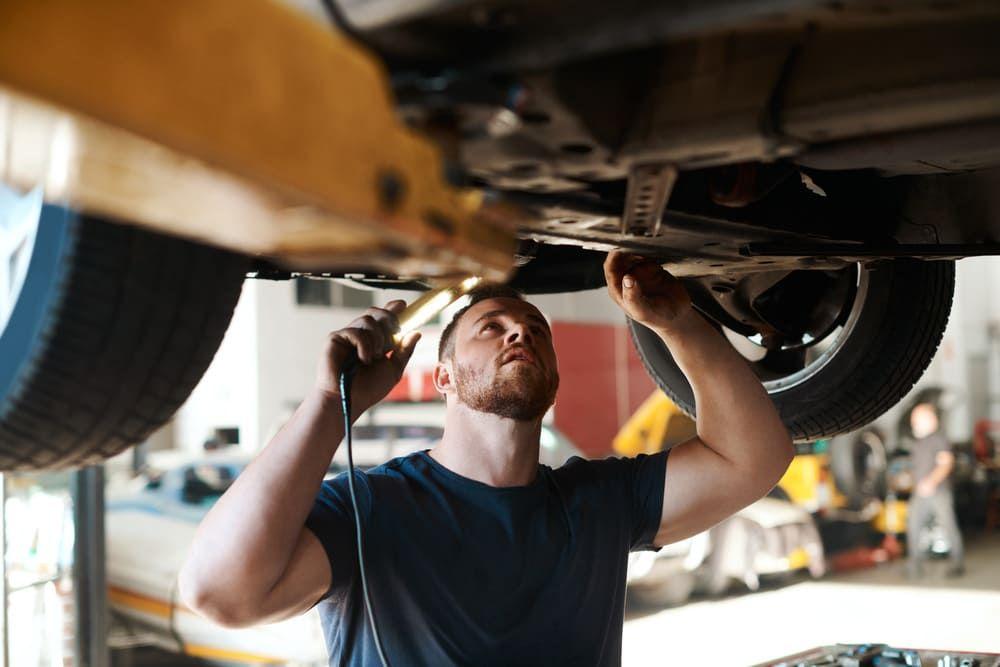
Car Heat Shield Repair Costs in the UK (2025)
If you’ve noticed a metallic rattle or a burning smell under your car, your heat shield could be to blame. Usually, car heat shield repair costs range from £150 to £300, but can reach £600 in exceptional cases.
However, most of the time, repairing it isn’t usually a significant job. Here’s everything you need to know about heat shield repairs in the UK.
Key takeaways
How much does a car heat shield repair cost?
In the UK, heat shield repairs typically cost between £150 and £300, including parts and labour.
You’ll either need a minor fix or a full replacement. Here’s the difference between each:
Remember, prices can vary between garages, so always ask for a full breakdown of parts, labour, and VAT before approving any repair.
Type of Repair | Typical Cost (£) | Other Notes |
|---|---|---|
Tightening or re-securing a loose heat shield | £50 – £100 | Usually involves replacing bolts or clamps. |
Full heat shield replacement | £150 – £300 | Includes new parts and labour for a standard car. |
Integrated or welded heat shield (e.g. part of exhaust) | £400 – £600+ | Common on premium or complex vehicles. |
Because garages often need to access the underbody or remove parts of the exhaust, labour time has a big impact on the final price.
If a repair bill lands at an awkward time, remember that you can use car repair finance to split the bill into interest-free instalments.
Other factors that influence cost of a heat shield repair
Alongside the price difference between a repair and replacement, several other factors affect the price of a heat-shield repair:
Vehicle make and model — Luxury and performance cars often use specialised or integrated shields.
Location of the shield — A loose shield under the floorpan is far easier (and cheaper) to fix than one welded near the exhaust manifold.
Extent of damage — A missing or rusted-through shield will need replacement, while a slightly loose one might just need tightening.
Labour time — Accessing tight spaces under the car can increase labour costs.
Corrosion — Rusted bolts often need cutting or replacing, adding time and cost.
What is a car heat shield?
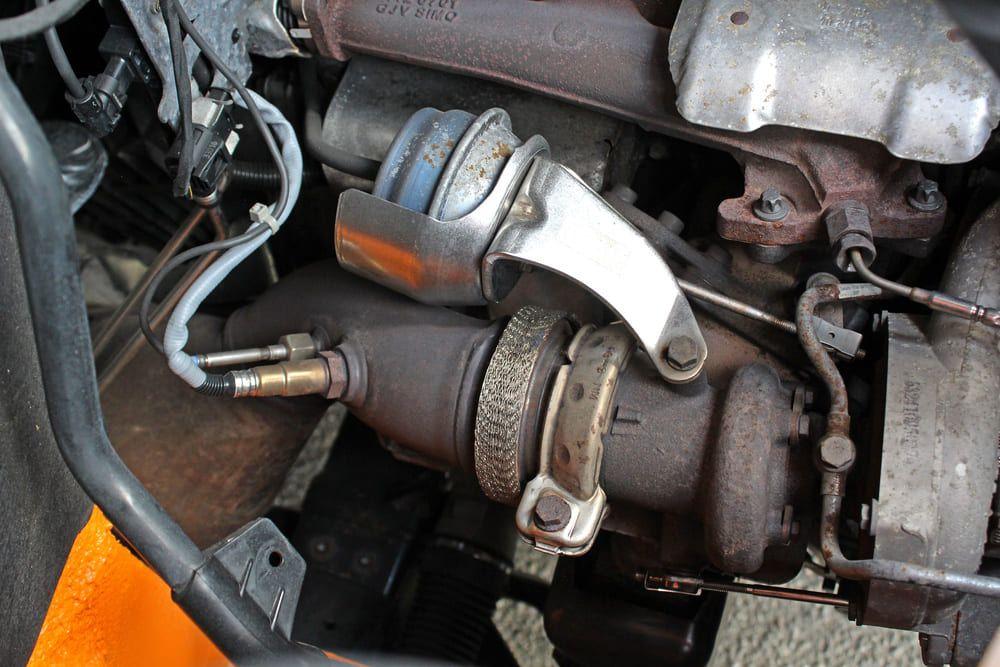
A car heat shield is a thin layer of metal or composite material designed to protect your car from the extreme heat generated by the exhaust and engine.
You’ll find them around the exhaust manifold, catalytic converter, or beneath the underbody panels.
Their job is simple but essential: to deflect heat away from sensitive components such as wiring and fuel lines. Without them, those parts could melt and fail, or, in the worst case, catch fire.
How long does a car heat shield repair take?
Most heat shield repairs are quick and can usually be completed the same day.
Re-securing a loose shield typically takes 30 to 60 minutes, replacing a section takes around one to two hours, depending on rust and access, and fitting an integrated exhaust shield can take three hours or more.
It’s often a simple fix that can be done during a regular service or MOT preparation.
What is the lifespan of a heat shield?
A heat shield can last the lifetime of the vehicle if the metal stays intact and corrosion is kept at bay. However, on UK roads where rain and salt are constant factors, rust tends to take hold after five to ten years.
Once corrosion starts, the bolts or welds can weaken and cause rattles or detachment. Keeping the underside clean and treated against rust can significantly extend its lifespan. We’ll explore how to maintain a heat shield later on this page!
Can I drive with a damaged heat shield?
Technically, yes, but it’s not advisable.
A missing or loose heat shield might seem harmless at first, but it can allow excessive heat to reach the car’s floor, fuel system, or wiring. That can cause damage or even fire risk in severe cases.
At the very least, a rattling shield will worsen over time, potentially breaking off while driving.
Common signs of a heat shield issue
Worried that your heat shield might be faulty? Here are some common signs to note.
Rattling noises underneath the car, especially during acceleration.
A burning smell after driving. This is because heat is no longer being deflected properly.
Increased cabin warmth, particularly near the footwells.
Rust or sagging metal is visible under the car.
If any of these appear, your garage can inspect the exhaust area and confirm whether it’s a simple tightening job or a full replacement.
How to maintain a car heat shield
Prevention is the best medicine! Maintaining your car’s heat shield starts with regular care and attention, such as:
Wash the undercarriage
Wash the undercarriage periodically, especially after winter, to remove salt and debris that can accelerate corrosion.
Listen for new noises
Pay attention to rattles, buzzing, or tinny vibrations, as these often indicate a loose or damaged heat shield that needs inspection.
Inspect during regular servicing
Ask your mechanic to check the heat shields whenever your car is on the ramp during servicing, ensuring any issues are caught early.
Address rust early
Treat small spots of rust or replace corroded bolts as soon as possible, since this is far cheaper than fitting a completely new heat shield later.
Replace when required
Manufacturers do not specify exact lifespan limits for heat shields, so replace the part whenever it shows significant wear or damage.
Use high-temperature paint
If painting the heat shield, ensure you use paint specifically designed for high temperatures and follow the manufacturer’s instructions, which may include preheating the paint.
Avoid impact
Prevent damage by avoiding hitting the underside of the car with stones, and do not drive off-road if your vehicle isn’t designed for it.
Can I fix a heat shield myself?
If it’s just a loose clamp or bolt, a confident DIYer might temporarily secure it using proper heat-resistant fasteners or brackets. But if you’re unsure, it’s never a good idea to tamper with your car.
Never use household materials like foil or tin cans. They won’t withstand exhaust temperatures.
For replacements or welded sections, it’s best left to a qualified mechanic with a lift and safety gear. Incorrect fitting can cause noise at best or fire damage at worst.

Is a loose heat shield an MOT failure?
A loose or missing heat shield can cause an MOT failure if it’s deemed unsafe or likely to detach while driving.
According to DVSA guidelines, any component that poses a risk of falling off, interfering with moving parts, or affecting emissions may fail the MOT.
Even if it passes, your tester might flag it as an advisory, so it’s smart to fix it promptly.
Is a car heat shield repair worth it?
Yes. Repairing or replacing a damaged heat shield protects your car from excess heat and extends the life of exhaust components. Repairs also help prevent more costly issues later on, so it’s a win-win.
Last thoughts
A damaged or faulty heat shield replacement shouldn’t be put off.
Hopefully, this blog has given you insights into the general car heat shield repair costs and what to do if you notice damage. This is your sign to book your car in for a check-up!
Split the cost with Bumper
Car heat shield repairs don’t have to be frustrating, especially if you have a Bumper car repair loan by your side.
Apply online for up to £5,000 and choose from 1,000s of trusted repairers

Split your car repair cost over monthly repayments interest-free.
Split the cost of your next repair
Other related articles from our blog
Advice
2 min read
Andy Burnham puts an end to 'rip-off' parking charges and scams
The Government's new Private Parking Code of Practice outlines plans to reduce the effect of inflated parking fines in private car parks. Learn more about the Government's new plans here.

Advice
1 min read
Why the clocks going back could mean a big problem for drivers
A campaign has revealed why the end of British Summer Time could spell disaster for some drivers. Discover how reduced visibility at night and the start of a well-known animal's breeding season could increase the risk of a collision for some motorists.

Advice
3 min read
What the new Budget could mean for drivers: full list of potential changes
A full list of potential changes for drivers in the Government's upcoming Autumn Budget. What the new Budget could mean for the cost of fuel and EV ownership.


