Car Sensor Repair Costs in the UK
These days, most Brits can’t imagine driving without car sensors. The average cost of a car sensor repair is £76.
From monitoring engine performance to helping you park, car sensors ensure your vehicle operates at its best. But when one fails, it can cause performance issues or even an MOT failure.
Here’s what you need to know about car sensor repair costs and when it’s time to get them checked.
Key takeaways
How much does a car sensor repair cost?
The average car sensor repair cost sits at £76. However, this figure isn’t always reliable. It doesn’t take into account the type of sensor you need.
The cost of repairing or replacing a sensor can vary dramatically depending on the type of sensor and even the make of your car.
Here’s a breakdown of average car sensor repair costs in the UK:
Item | Cost - low | Cost - high | Average cost |
|---|---|---|---|
Parking sensor DIY kit | £50 | £170 | £110 |
Parking sensor installation | £65 | £150 | £110 |
Parking sensor audio kit supply and installation | £115 | £450 | £325 |
Parking sensor kit with on-screen display | £500 | £550 | £525 |
In a pinch? You can use car repair finance to split repairs into interest-free repayments with Bumper.
Car sensor repair cost per vehicle make
Some makes and models are more expensive to repair due to labour costs or complex sensor design.
Below are average car sensor repair quotes by vehicle make in the UK:
Make | Average Quote |
|---|---|
Audi | £86 |
BMW | £91 |
Ford | £76 |
Hyundai | £82 |
Kia | £79 |
Mercedes | £96 |
MINI | £156 |
Nissan | £141 |
Peugeot | £92 |
Toyota | £50 |
Vauxhall | £110 |
Volkswagen | £88 |
Volvo | £92 |
How long does a car sensor repair take?
Most car sensor repairs or replacements take between 30 minutes and two hours.
Simple jobs, like replacing a parking or oxygen sensor, are usually completed within an hour.
However, more complex sensors, such as those linked to the engine control unit (ECU), may require diagnostic testing and calibration, thereby extending repair time.
How long do car sensors last?
Car sensors are designed to last several years, often 60,000 to 100,000 miles, depending on the sensor type and driving conditions.
However, as with any car part, exposure to dirt, water, and vibration can shorten their lifespan.
Regular servicing helps identify faulty sensors early before they cause major issues. Don’t forget to book your car in!
How do car sensors work?
Car sensors measure various aspects of your vehicle’s performance, including temperature, pressure, distance, and airflow.
They send real-time data to the car’s ECU, which adjusts systems like fuel injection, braking, and even parking assistance.
When a sensor malfunctions, your car may trigger a warning light or perform less efficiently. If you notice poor driving performance, you should always check your car or get a professional opinion.
Types of different car sensors
Modern cars contain dozens of sensors, each serving a specific purpose. Knowing which sensor needs to be replaced helps you predict a more accurate repair cost.
Here are some of the most common types:
ABS sensor – Detects wheel speed for anti-lock braking systems.
Coolant temperature sensor – Helps regulate engine temperature.
Crankshaft and camshaft sensors – Ensure correct engine timing.
Mass airflow sensor (MAF) – Measures air entering the engine for proper fuel mixture.
Oxygen sensor (O2 sensor) – Monitors exhaust gases to optimise fuel efficiency.
Parking sensor – Assists with distance detection when reversing.
Throttle position sensor – Controls acceleration response.
Tyre pressure sensor (TPMS) – Alerts you if tyre pressure drops too low.
Signs of car sensor failure
When a sensor begins to fail, your vehicle will usually give you a few hints.
Sure, it’s not pleasant to notice your car is acting differently. But if you notice any of the signs below, don’t dig your head in the sand! For your safety and wallet, get your car checked.
Common warning signs include:
Dashboard warning lights (e.g., check engine light).
Difficulty starting or rough idling.
Inaccurate readings, like false temperature or fuel level.
Parking sensors are beeping constantly or not at all.
Poor fuel economy or sluggish performance.
Unresponsive acceleration or unusual gear changes.
How can you tell if a parking sensor is bad?
If your parking sensor is faulty, you may notice a constant beep or no beep at all.
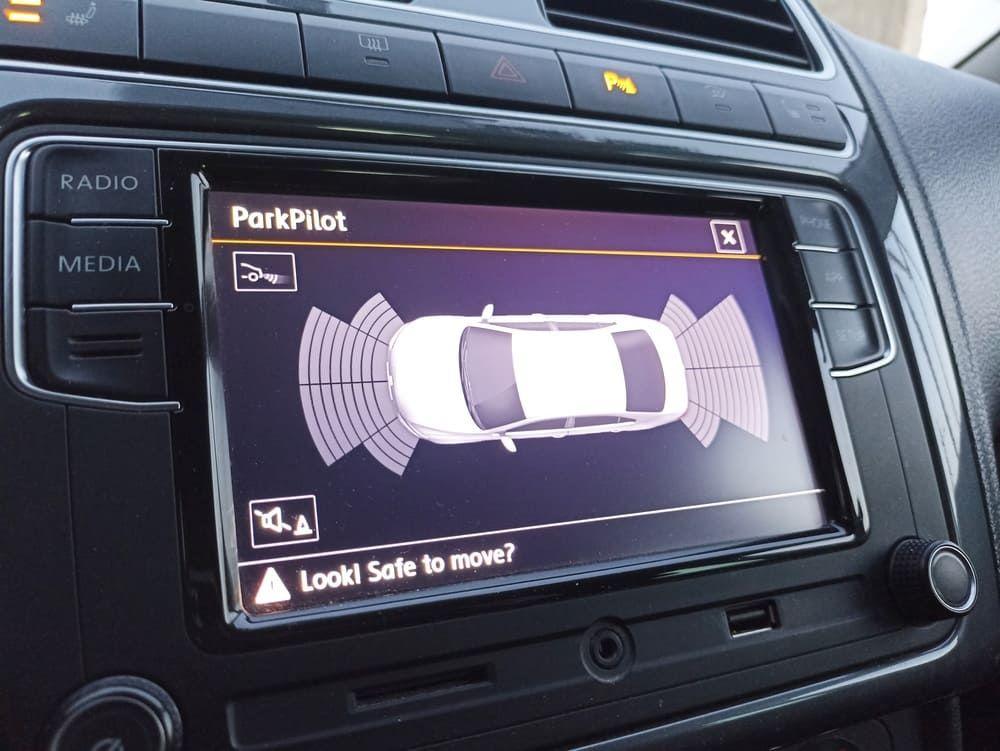
You may also see an error message on your dashboard. Some vehicles show a visual alert when the system can’t detect one or more sensors.
You can test by gently cleaning the parking sensors, as dirt and grime are common culprits. You’ll find the sensors near your car’s bumper. Or schedule a diagnostic scan performed by a garage.
What causes car parking sensors to break?
Parking sensors are exposed to the elements, as they sit on your car’s bumper.
Usually, they can fail due to:
Accidental impact during parking
Electrical faults or wiring issues
General wear and tear
Road debris or stone chips
Water or corrosion
How to reset car sensors?
Some car sensors can be reset manually, while others need diagnostic tools. So, first you need to identify which sensor is faulty.
Common reset methods include disconnecting the battery for 10–15 minutes for simple systems, using onboard settings in the infotainment menu, or having a professional diagnostic reset performed at a garage using OBD equipment.
Always check your owner’s manual before attempting a reset, as incorrect handling can cause further faults.
Can I drive with a bad sensor?
Yes and no. It depends on the sensor.
A faulty parking or temperature sensor might only affect convenience, while a brake or MAF sensor could impact performance and safety.
If a warning light is on, it’s best to get the issue checked promptly to avoid further damage or MOT failure.
The takeaway
While they can be easy to forget when driving, car sensors are vital for safety. However, they do wear out over time. Knowing the average car sensor repair costs and common signs of failure can help you act early and avoid bigger bills later.
Split the cost with Bumper
Avoid big car sensor repair bills by using a Bumper car repair loan to split the cost into manageable repayments.
Apply online for up to £5,000 and choose from 1,000s of trusted repairers

Split your car repair cost over monthly repayments interest-free.
Split the cost of your next repair
Other related articles from our blog

Advice
2 min read
This summer car washing method could be wrecking your vehicle
Every driver wants to have a clean car, but washing your car with this popular summer method could lead to premature ageing of the vehicle's tyres.
Advice
2 min read
Everyday driving mistake that could cost you thousands
Drivers are discovering that a simple driving habit could land them a big fine. Discover more about the everyday driving mistake that could cost you thousands.
Advice
5 min read
Tyre Replacement Cost Guide: £45 to £250+ (2026)
Tyre replacement costs range from £45 to over £250 for British drivers. See a list of tyre change costs and find out what your car needs online with Bumper.


