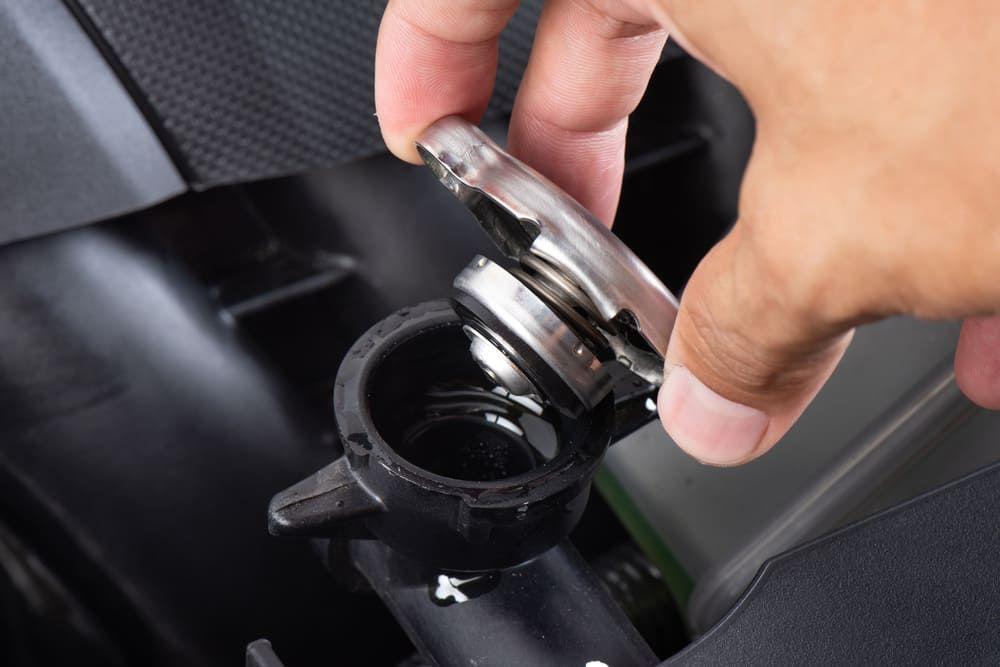
How much is a Mini Cooper coolant leak repair?
Coolant leaks are a common issue in Mini Coopers, and even a small leak can quickly lead to other issues, including overheating and engine damage.
The average Mini Cooper coolant repair cost is around £90 to £180, but can reach £800 in rare cases.
Knowing the cost of a Mini Cooper coolant repair, what usually causes leaks, and which models are most at risk will help you act early and protect your car. Here’s what you need to know.
How much is a Mini Cooper coolant leak repair cost?
In the UK, repairing a coolant leak on a Mini Cooper generally costs between £90 and £850+, depending on the affected part and the job's complexity.
Minor leaks, such as a worn hose or a small crack in the expansion tank, are relatively affordable to repair. But leaks involving the radiator, water pump, or thermostat housing are more labour-intensive and can substantially increase the bill.
Here are the average Mini Cooper coolant repairs by component in 2026:
Component | Typical Cost (£) | What’s Involved |
|---|---|---|
Coolant hose | £90 – £180 | Replacement and pressure testing of the system |
Expansion tank | £120 – £250 | Tank replacement and coolant top-up |
Radiator | £300 – £600 | Radiator replacement and system bleeding |
Thermostat housing | £200 – £400 | Replacement and temperature testing |
Water pump | £400 – £850+ | Pump replacement, sometimes requiring extensive dismantling |
Using a qualified garage ensures the job is done properly, reducing the risk of recurring leaks. You can also usecar repair finance to split the final cost into interest-free instalments.
Are Mini Cooper coolant leak repairs expensive?
As shown above, repair costs can vary widely. So, some can be expensive, but it’s not a rule for every coolant issue.
Small leaks may be quick and inexpensive to fix, but Mini Coopers are compact vehicles with intricate cooling systems, meaning labour can be higher than average.
Repairs become more costly if multiple components are damaged or if the engine has already overheated due to lost coolant.
The general rule of thumb is to act early to keep costs manageable and avoid secondary engine damage.
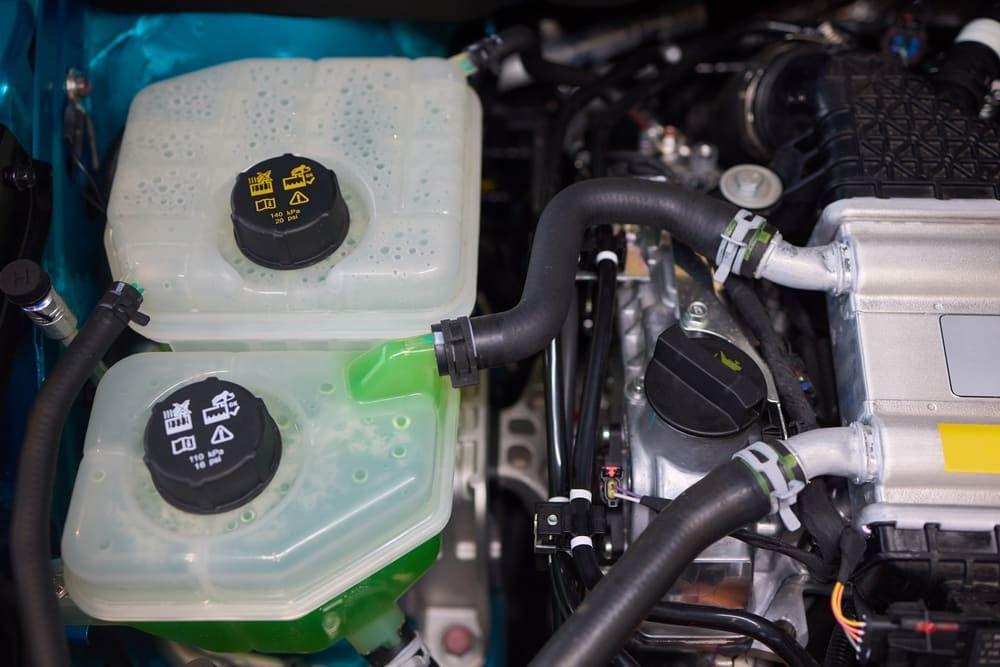
Why is my Mini Cooper leaking coolant?
Coolant leaks often develop due to aging parts exposed to high heat and pressure.
On Mini Coopers, leaks frequently occur at:
Thermostat housings
Expansion tanks
Radiator hoses
Water pumps
Failed gaskets, worn seals, or previous repairs that weren’t correctly installed can also contribute, but they’re not as common as the parts listed above.
How long does a coolant repair take on a Mini Cooper?
Mini Cooper coolant repair times depend on the affected part and the engine layout. However, these are general time estimates you can expect:
Hose or expansion tank replacement: 1 to 2 hours
Thermostat housing: 2 to 4 hours
Radiator replacement: 3 to 5 hours
Water pump replacement: 4 to 6 hours
Unsure what to expect? Your garage will provide a more accurate estimate once the leak has been located.
What is the most common cause of a coolant leak on a Mini Cooper?
The thermostat housing and expansion tank are the parts most often responsible for leaks. These plastic components are prone to cracking, particularly on older R56 and R50 models.
High engine temperatures can cause plastic parts to become brittle, while rubber hoses naturally deteriorate over time. Slow leaks may go unnoticed until the coolant level drops significantly.
Why is my Mini using so much coolant?
Excessive coolant loss is not normal and may indicate a hidden leak, a failing water pump, or a blown head gasket.
Even small leaks can cause your Mini to consume more coolant than usual, leading to immediate overheating. If something changes, get it checked out by a professional.
Why am I losing coolant but not overheating?
Mini Coopers can lose coolant slowly without triggering an immediate temperature warning.
The cooling system has some reserve capacity, and sensors may not detect small leaks until they worsen.
Which Mini Cooper models are most prone to coolant problems?
Mini Cooper coolant leaks are commonly reported on:
R50 and R52 (2001–2006)
R56 (2006–2013)
F56 (2014–present)
Older petrol engines and high-mileage Minis are particularly susceptible due to aged plastic components.
What is the biggest issue with a Mini Cooper?
Cooling system faults, including leaking thermostat housings and water pumps, are among the most frequent and costly problems in Mini Coopers. Ignoring them can lead to overheating and engine damage.
Other common Mini Cooper issues include:
Timing chain problems on older engines, which can cause rattling noises
Oil leaks from valve cover gaskets or oil cooler seals
Turbocharger issues on petrol turbo models, affecting performance and fuel efficiency
Electrical faults, such as failing window regulators or warning lights
What year of Mini Cooper to stay away from?
Older R50, R52, and early R56 models are most prone to coolant leaks due to brittle plastic components and high mileage wear.
Buyers should carefully check the service history for replaced hoses, tanks, and water pumps.
Can you drive a Mini Cooper with a coolant leak?
Driving with a coolant leak is not recommended. Even minor leaks can cause overheating and severe engine damage, putting you and others on the road at risk.
If you must drive, keep trips as short as possible. While driving, monitor temperature warnings and temporarily top up coolant.
Is a coolant leak an MOT failure on a Mini Cooper?
Yes, visible coolant leaks can cause an MOT failure.
Any dripping or pooling of coolant, or engine warning lights related to temperature, may result in a test fail.

What happens if you ignore a coolant leak on a Mini Cooper?
Ignoring a Mini Cooper coolant leak is never advised. This can lead to:
Overheating
Blown head gasket
Warped cylinder head
Complete engine failure
For example, a small hose repair costing around £100 can escalate into an engine repair costing £1,000+ if left unattended.
Final thoughts
Mini Cooper coolant leaks are a common but manageable problem. Early detection and professional repair help keep Mini Cooper repair costs low and prevent serious engine damage.
If you notice warning lights or puddles under your car, book an inspection promptly. This is your sign to book!
Split the cost with Bumper
Keep your Mini Cooper in good shape with easy repairs. You can use a car repair loan to split the cost of coolant repairs into interest-free repayments.
Apply online for up to £5,000 and choose from 1,000s of trusted repairers.

Split your car repair cost over monthly repayments interest-free.
Split the cost of your next repair
Other related articles from our blog

Advice
2 min read
This summer car washing method could be wrecking your vehicle
Every driver wants to have a clean car, but washing your car with this popular summer method could lead to premature ageing of the vehicle's tyres.

Advice
2 min read
Everyday driving mistake that could cost you thousands
Drivers are discovering that a simple driving habit could land them a big fine. Discover more about the everyday driving mistake that could cost you thousands.
Advice
5 min read
Tyre Replacement Cost Guide: £45 to £250+ (2026)
Tyre replacement costs range from £45 to over £250 for British drivers. See a list of tyre change costs and find out what your car needs online with Bumper.


