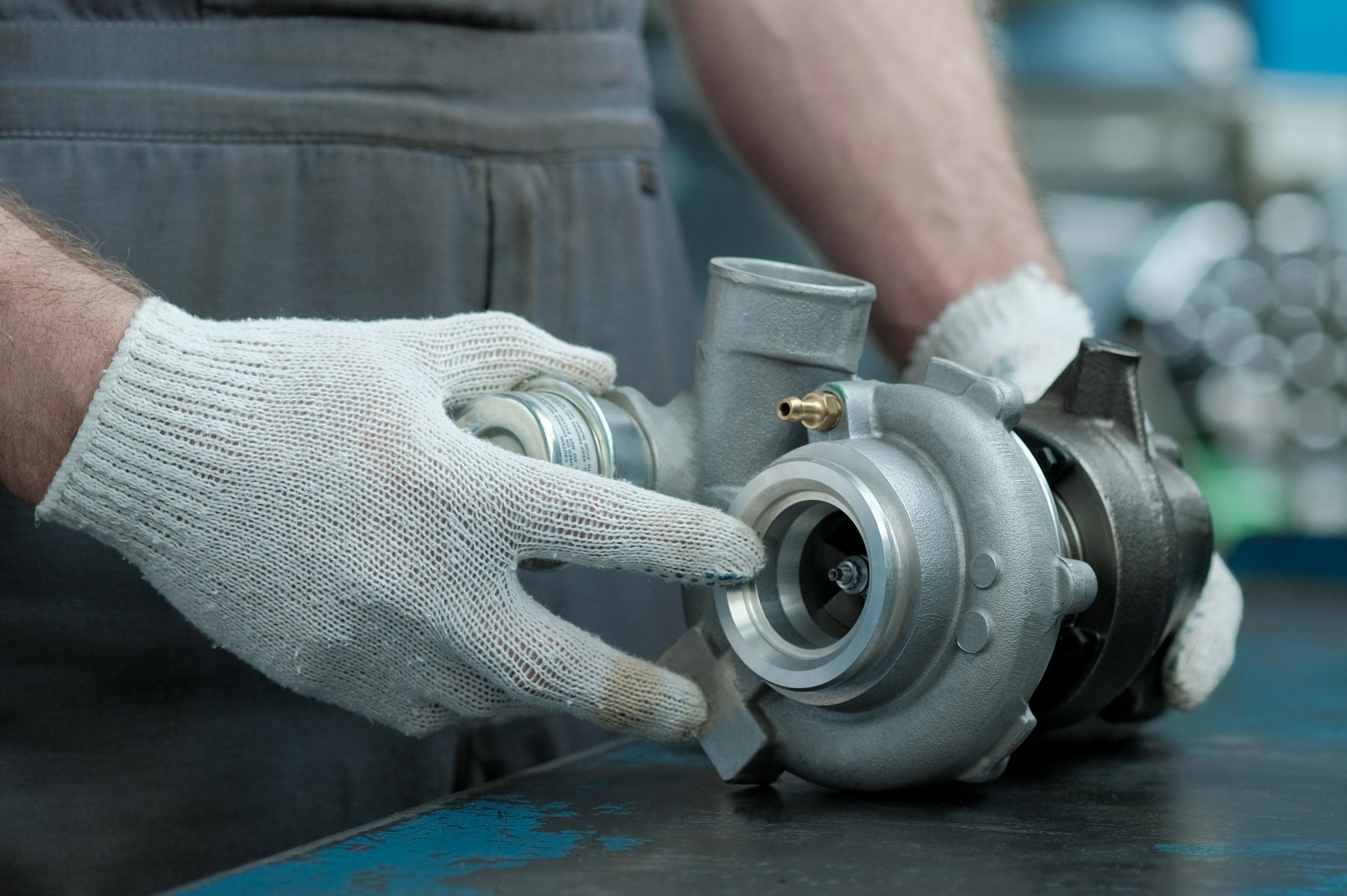
How much does it cost to replace a turbocharger? (UK 2026)
Turbochargers serve an important role in modern cars, increasing fuel efficiency and power output. But they are complex components that can cost anywhere from £700 to £2,500+ to replace if they go wrong.
In this article, we’ll take a look at what a turbo is, how much it costs to replace if it's beyond repair, ways you can save money on replacing a turbo, and how you can extend its lifespan.
How much does it cost to replace a turbocharger?
Turbo replacement costs can vary greatly depending on the type and model of car. The table below shows some indicative prices for both reconditioned and new turbos:
Car Type | New Turbo Cost | Reconditioned Turbo Cost |
|---|---|---|
Mid range hatchback (Vauxhall Astra, Ford Fiesta, etc) | £1,600 - £2,400 | £900 - £1,200 |
Saloon/Estate or SUV (Volvo V70, Honda CR-V) | £1,800 - £2,400 | £900 - £1,350 |
Luxury car (BMW 5 Series, Mercedes C-Class, Audi, etc) | £2,300 - £2,700 | £1,300 - £1,450 |
Sports/performance car (Porsche 911, BMW Z4) | £2,500 - £2,800 | £1,250 - £1,550 |
Explore pay monthly engine repairs with Bumper today.
Are reconditioned turbochargers worth it?
Reconditioned turbochargers are a popular choice for those looking to save some money. To know whether it’s worth fitting one to your car, consider your budget, the price difference between new and refurbished, and the age or value of the car.
It’s important to remember that reconditioned parts are not the same as used parts; a reconditioned turbocharger will typically come with the same level of warranty/guarantee as a new one.
During the reconditioning process, parts that commonly cause turbo failure are replaced, including the seals, bearings and actuator.
What is a turbocharger?
Turbochargers are fitted to cars to increase the engine's performance and fuel efficiency. They do this by using waste energy from the exhaust gases to compress the air entering the engine.
To achieve this, a turbine extracts energy from the exhaust gases and spins a compressor on the same shaft. A typical car turbo will spin at anything from 100,00 to 300,000 RPM.
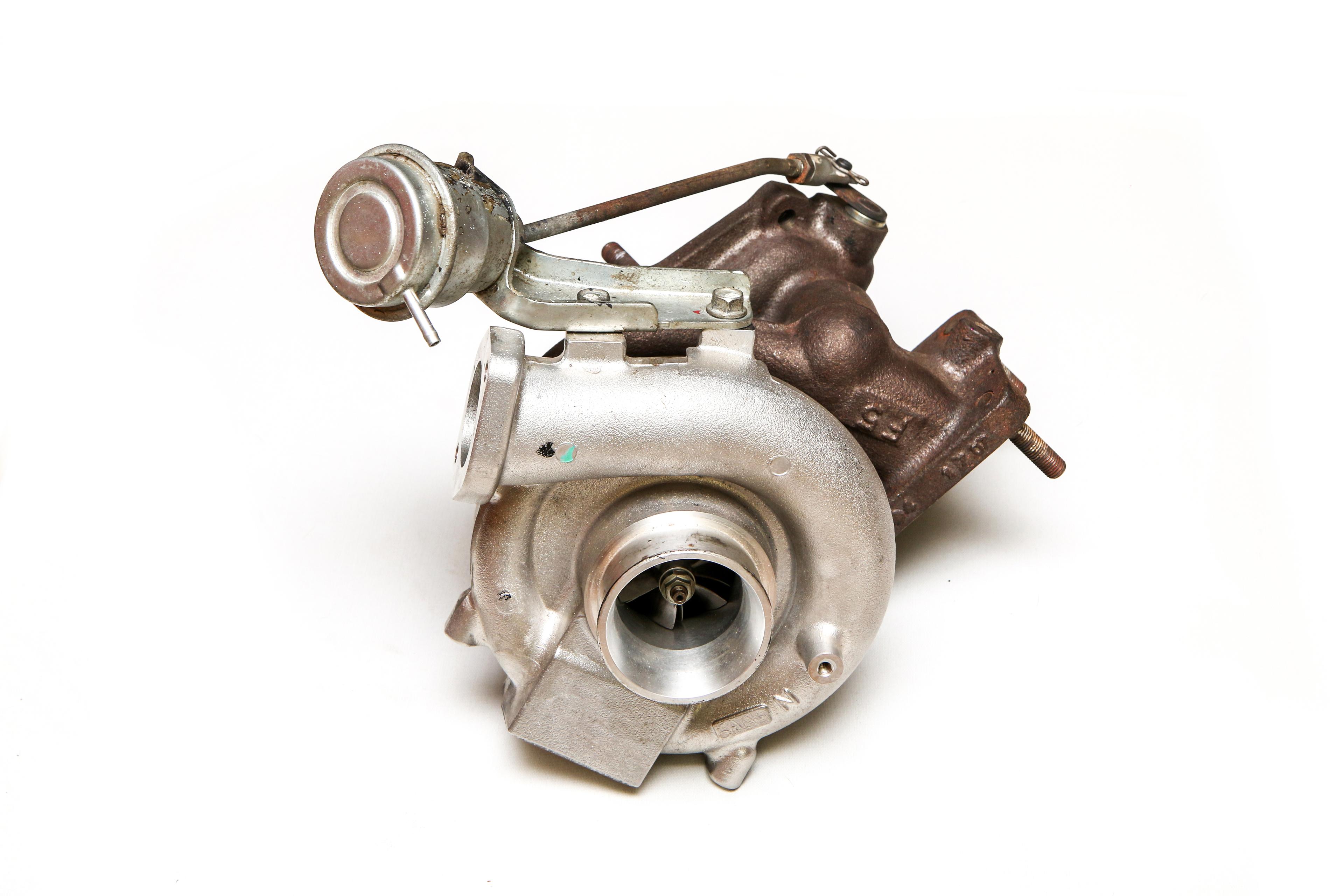
Cars with known turbocharger issues in the UK
There are a few car or engine models in the UK that are known for having turbo issues. If you’re looking into buying a new car, be sure to check for evidence of these problems:
Jaguar Land Rover Ingenium diesel – a large number of owners have reported a defect that starves the engine of oil, causing premature turbo failure.
Ford EcoBoost – 1.0 litre EcoBoost engines are known for their problematic “wet belt” engines that contaminate the oil. This can lead to both engine and turbo oil starvation problems.
BMW N54 – these twin-turbo engines had a common fault with the wastegate, which caused a distinctive rattle, causing poor turbo performance.
What causes turbocharger failure?
There are numerous reasons why a turbo can fail, despite many modern turbo units being made of high-performance metals and using ceramic bearings:
Wear and age: turbos spin incredibly fast, so the seals and bearings wear, leading to reduced performance, oil entering the engine, or, in some cases, catastrophic failure.
Poor oil: the bearings in turbochargers are connected to the car's oil system, and are very susceptible to poor oil quality. This can be from the incorrect oil being used, contamination in the oil, or poor servicing.
Foreign object damage: it’s not uncommon for a turbo to fail because a piece of debris has been sucked into the compressor, or ejected from the engine, for instance, a piece of a broken spark plug.
Can I drive with a damaged turbocharger?
If your mechanic has told you your turbo needs replacing, or you suspect something is wrong with it, it’s highly advisable to at least get the problem properly inspected before continuing to drive the car.
This is because a failing turbo can cause more engine damage. The best-case scenario is that your engine will use more fuel, have worse emissions and even burn engine oil – but it's best to get it checked.
Turbocharger replacement with Bumper
If your car needs expensive repair work, such as a turbo replacement, Bumper can help spread out the cost into more manageable monthly payments with interest-free car repair finance. Apply online and choose from 1000s of reliable repairers.

Split your car repair cost over monthly repayments interest-free.
Split the cost of your next repair
Other related articles from our blog

Advice
2 min read
Andy Burnham puts an end to 'rip-off' parking charges and scams
The Government's new Private Parking Code of Practice outlines plans to reduce the effect of inflated parking fines in private car parks. Learn more about the Government's new plans here.

Advice
1 min read
Why the clocks going back could mean a big problem for drivers
A campaign has revealed why the end of British Summer Time could spell disaster for some drivers. Discover how reduced visibility at night and the start of a well-known animal's breeding season could increase the risk of a collision for some motorists.

Advice
3 min read
What the new Budget could mean for drivers: full list of potential changes
A full list of potential changes for drivers in the Government's upcoming Autumn Budget. What the new Budget could mean for the cost of fuel and EV ownership.


