Vacuum Leak Repair Cost in the UK
The average cost of a vacuum leak in the UK is between £80 and £250, depending on the size and extent of the leak.
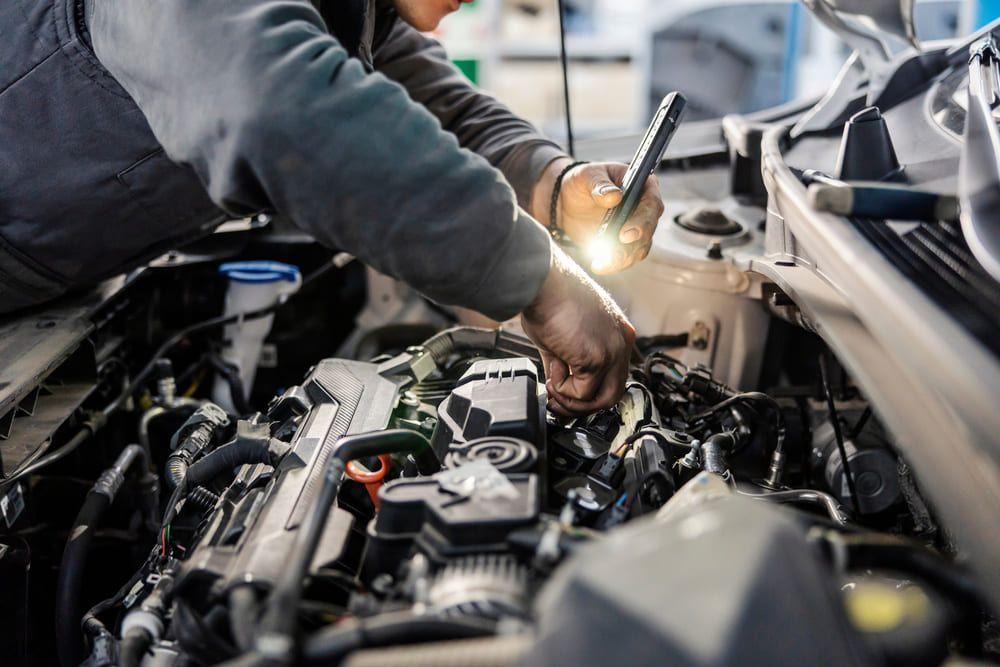
Generally, a vacuum leak occurs when unmetered air enters your engine, bypassing the normal intake system. Even a small leak can cause poor engine performance, higher fuel consumption, rough idling, and in some cases, expensive damage over time.
Knowing the costs and signs of a vacuum leak helps you act early and avoid bigger repair bills. Get the full lowdown below!
Key Takeaways
How Much Does a Vacuum Leak Repair Cost?
On average in the UK, a vacuum leak repair can cost between £80 and £250.
Simple hose replacements are cheaper, while manifold gasket or brake booster repairs can push the cost higher.
Repair Type | Typical Cost (Parts + Labour) |
|---|---|
Vacuum hose replacement | £40 – £100 |
Intake manifold gasket repair | £120 – £250 |
Brake booster vacuum leak repair | £150 – £250 |
With car repair finance, you can split the repair over interest-free finance and make it more manageable in the long-run.
Vacuum Leak Repair Cost by Vehicle Make
Another factor that can sway the cost of a vacuum leak repair is the make and model of your car. Costs vary due to engine layout, part accessibility, and higher labour rates for more complex repair requirements.
Here’s a rough guide to UK average costs for popular car brands:
Make | Average Repair Cost (£) |
|---|---|
Audi | £180 |
BMW | £190 |
Ford | £120 |
Mercedes | £200 |
Toyota | £150 |
Vauxhall | £130 |
Volkswagen | £160 |
How To Tell if a Car Has a Vacuum Leak?
A vacuum leak comes with a long list of symptoms, and many are signs of a few issues. If you’ve noticed any of the signs below, it’s time to visit the garage or dealership!
Rough or unstable idle
Engine stalling when idling
Poor fuel economy
Hissing noises from the engine bay
Check Engine Light illuminated
Difficulty accelerating smoothly
What Causes a Vacuum Leak?
If you’ve noticed any of the common vacuum leak signs, it’s important to work out the cause of the problem.
Common causes of a vacuum leak include:
Cracked or split vacuum hoses
Worn intake manifold gaskets
Faulty brake booster or master cylinder vacuum
Loose or damaged fittings
Age-related wear and tear
Can a Vacuum Leak Destroy an Engine?
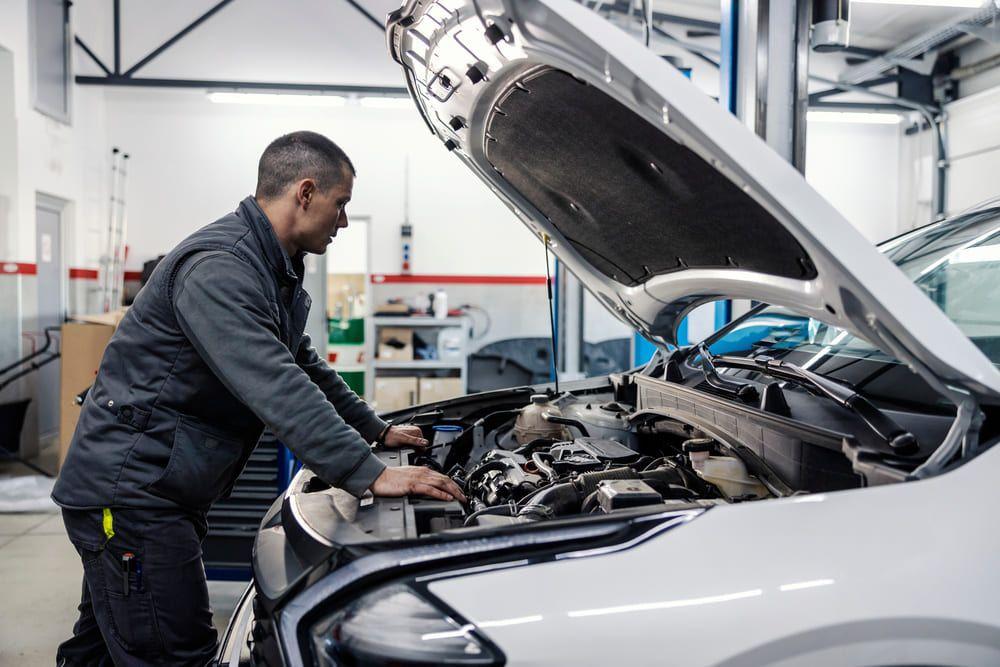
While a minor leak usually won’t immediately ruin your engine, ignoring it can cause long-term damage, including damage to cylinders and sensors, as well as faster wear.
Can You Drive With a Vacuum Leak?
Short-term driving with a vacuum leak is possible, but it’s not recommended.
Performance, fuel economy, and braking assistance (if the brake booster is affected) may be compromised. Only drive if strictly necessary.
Does a Vacuum Leak Affect Acceleration?
Yes. With a vacuum leak, the engine may hesitate or struggle under load, as unmetered air disturbs the correct fuel/air mixture.
What Happens if You Ignore a Vacuum Leak?
Ignoring a leak can worsen fuel economy, cause drivability issues, trigger warning lights, and eventually lead to expensive engine or sensor damage.
Even if a vacuum leak doesn’t cause the symptoms your car is experiencing, you should get it checked out as soon as possible to keep yourself and others safe on the road.
Can I Fix a Vacuum Leak Myself?
Simple vacuum hose replacements are often DIY-friendly.
However, diagnosing hidden leaks, gaskets, or brake booster issues usually requires professional tools and experience.
Generally, if you’re unsure or don’t have any experience, it’s best to leave the work to the professionals.
How To Fix a Vacuum Leak
When the mechanic fixes your vacuum leak, they’ll usually follow the steps below:
Locate the source: visually inspect hoses, gaskets, and fittings.
Replace cracked hoses or damaged gaskets.
Ensure all connections are tight and properly sealed.
For brake booster or manifold repairs, seek a professional mechanic.
Final Summary
Vacuum leaks are common but manageable if caught early!
UK vacuum leak repair costs typically range from £80 to £250, depending on the parts and labour, but you should always go to a trusted garage or dealership for a professional assessment.
Don’t put it off!
Split the cost with Bumper
If you’ve noticed a few strange symptoms, you can use a car repair loan to split the repair cost into interest-free repayments.
Apply online for up to £5,000 and choose from 1,000s of trusted repairers

Split your car repair cost over monthly repayments interest-free.
Split the cost of your next repair
Other related articles from our blog

Advice
2 min read
This summer car washing method could be wrecking your vehicle
Every driver wants to have a clean car, but washing your car with this popular summer method could lead to premature ageing of the vehicle's tyres.

Advice
2 min read
Everyday driving mistake that could cost you thousands
Drivers are discovering that a simple driving habit could land them a big fine. Discover more about the everyday driving mistake that could cost you thousands.
Advice
5 min read
Tyre Replacement Cost Guide: £45 to £250+ (2026)
Tyre replacement costs range from £45 to over £250 for British drivers. See a list of tyre change costs and find out what your car needs online with Bumper.


