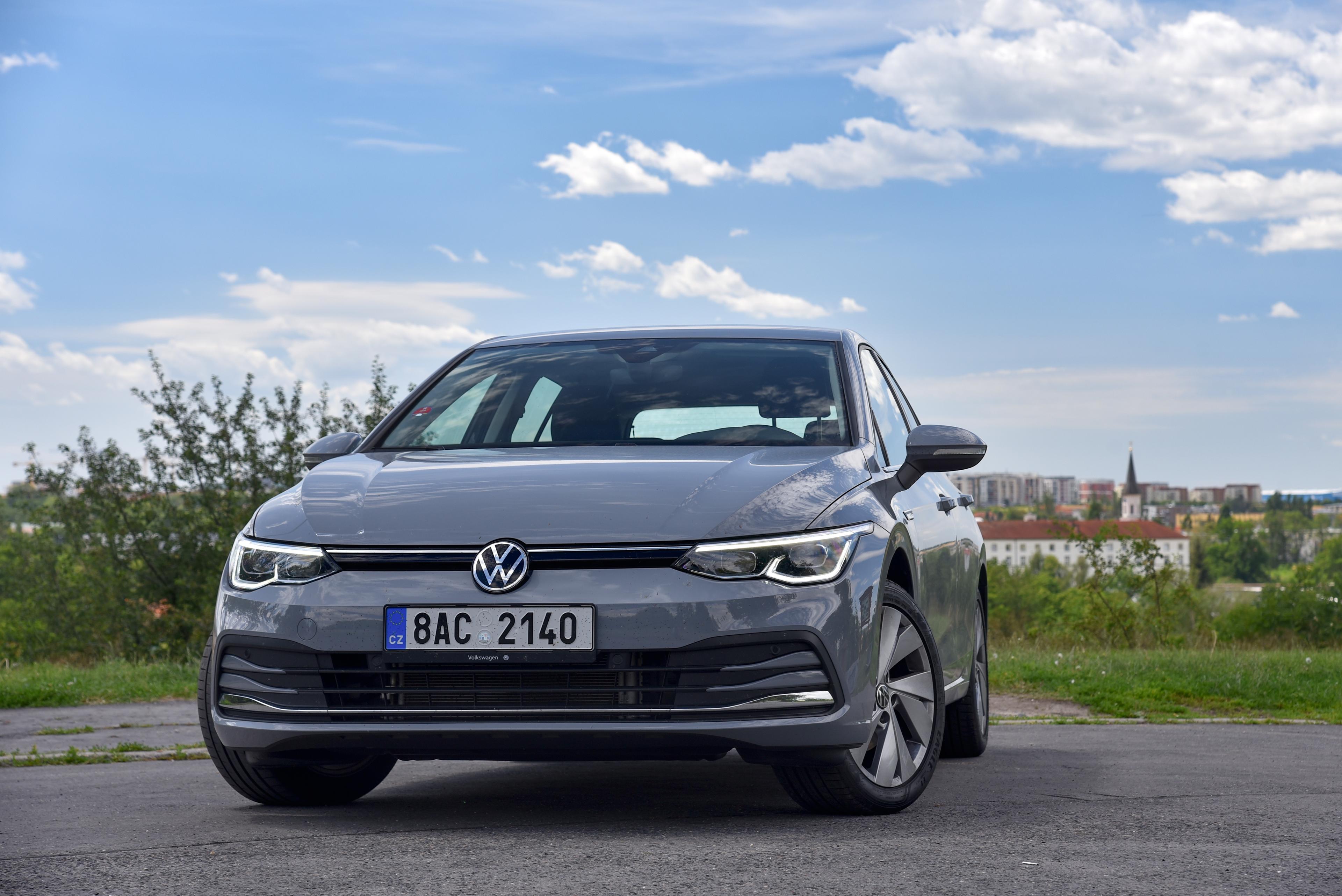
Is the VW Golf Reliable? Common Problems in (2026)
The VW Golf is a fan favourite – great to drive, practical, and stylish. But is it always smooth sailing? Not quite. Some Golf owners run into frustrating (and pricey) problems, especially if maintenance gets pushed to the back burner.
Let’s break down the most common Volkswagen Golf issues in 2026, what to watch for, and how to avoid a nasty surprise at the garage.
Is the VW Golf reliable in 2026?
The VW Golf is a popular hatchback, but when it comes to long-term reliability, it’s a bit of a mixed bag. Some people enjoy years of hassle-free driving, while others run into engine issues, electrical faults, and expensive repairs sooner than they’d like.
How reliable your VW Golf is often comes down to how well it’s maintained, plus a bit of luck on the side. But knowing what common issues to look out for can save you money in the long run. Here’s the outlook for popular models in 2026.
Mk7 VW Golf (2013–2017)
The Mk7 is often considered one of the stronger Golf generations for reliability, particularly later models with a solid service history. However, high-mileage examples and neglected cars can develop expensive faults.
Common Mk7 issues:
Ignition coil and spark plug failures causing engine misfires
Timing chain tensioner issues on some engines
DSG gearbox hesitation or rough shifting
Water pump and thermostat housing leaks
Carbon build-up on some petrol engines
Premature suspension wear and rattles
Reliability verdict: One of the safer used Golf choices if maintenance records are strong.
Mk7.5 VW Golf (2017–2020)
The facelifted Mk7.5 refined many areas of the previous model and tends to be dependable overall.
On the other hand, owners still report occasional electronic and infotainment problems. Investigate these before you buy secondhand.
Common Mk7.5 issues:
Faulty sensors triggering dashboard warning lights
Infotainment system freezing or rebooting
Battery drain issues
Water pump leaks on certain engines
DSG gearbox software issues
Minor electrical gremlins affecting windows and locks
Reliability verdict: Strong day-to-day reliability with fewer widespread mechanical complaints.
Mk8 VW Golf (2020–present)
The newest Golf introduced many more technologies and digital controls. While engines are generally solid, software and electrical problems have generated more owner complaints than in older models — something Bumper recommends keeping an eye on if you drive an Mk8.
Common Mk8 issues:
Infotainment lag and system crashes
Touchscreen and control glitches
False warning lights from sensors
Software bugs requiring updates
Electrical faults affecting driver assistance systems
Occasional battery-related issues
Reliability verdict: Comfortable and efficient, but early models had more software-related complaints.
Mk8 infotainment and electrical issues
As mentioned above, the Mk8 Golf remains a strong choice mechanically, but recent owner feedback suggests that the biggest frustrations centre on technology rather than traditional reliability concerns.
Early Mk8 models (especially 2020–2021 cars) attracted repeated complaints about:
Infotainment crashes
Laggy touchscreen controls
False warning lights
Electrical glitches affecting driver-assistance systems.
Volkswagen introduced software updates to improve stability, and many owners say newer models perform better as a result.
Even so, infotainment and electrical faults remain among the most frequently searched and discussed Mk8 issues. Owners still report occasional problems with frozen screens, smartphone connectivity issues, delayed system responses and unexpected dashboard warnings.
While these faults are often more frustrating than mechanically serious, they can have a noticeable impact on everyday ownership. Keep on top of servicing and make sure to contact your local garage whenever you see a hint of a fault to prevent worse damage.
Common Problems to watch for on any VW Golf
No matter which Golf generation you drive in 2026, some warning signs tend to appear across multiple model years.
Spotting these issues early can help you avoid bigger repair bills and keep your VW running smoothly for longer — here are the three main categories hand-picked by the Bumper team to help you know what you need to specifically look out for.
Engine problems
If your VW Golf is running smoothly, great. But when engine troubles start, it can quickly turn into a headache you definitely want to avoid. A misfiring engine is one of the more common issues, usually caused by worn-out spark plugs or faulty ignition coils. Then there’s stalling, which often points to fuel system or sensor problems.
Noticed excessive smoke or oil leaks? That’s a major red flag for engine damage that needs attention ASAP. And if you ever catch a smell of fuel, it could mean a fuel filter issue, which can soon become a safety risk.
The bottom line? Ignoring these warning signs can lead to major engine damage, and that’s when repair bills really start to hurt. Stick to high-quality fuel and keep up with oil changes to save yourself the stress (and the financial sting) down the line. If you do need to spend extra for a repair, take a look at our engine repair finance options to keep everything affordable.
Electrical faults and warning lights
Virtually all modern cars are jam-packed with electronics, and the VW Golf is no exception. But with that comes the risk of electrical issues, which can be frustrating to deal with.
One of the most common problems is dashboard warning lights acting up, often due to faulty sensors or an electrical issue. Some owners also report their battery dying unexpectedly, even when it’s straight out of the showroom.
Then there are annoying glitches with power windows, locks, and lights, usually a sign of deeper electrical system issues. Electrical faults can be tricky to pin down, so it’s best to get them checked before they turn into bigger problems.
Consider a car repair loan – Bumper’s interest-free monthly instalments let you pay off your Golf’s repair costs without breaking the bank. Apply today, it’s easy!
Braking and suspension problems
Your VW Golf should feel smooth and responsive to drive, but if something feels off, it could be a sign of wear and tear. One common issue is grinding noises when braking, usually caused by worn-out brake pads that need replacing. Similarly, if you hear rattling noises while driving, it might be a sign of premature wear in the suspension.
A more serious problem is a brake fluid leak, which could mean brake damage. Brake pipe replacement costs can add up, but without it, your VW Golf won’t come to a proper stop when you need it to, which is a big danger to you and other drivers. Braking and suspension issues only get worse (and more expensive) over time, so if you notice any of these warning signs, ring your local garage as soon as possible.
So, is the VW Golf worth it?
The VW Golf is a great car – practical, easy to drive, and packed with some cool features. But like any vehicle, it comes with its common faults. And if they’re ignored, they can spiral into some seriously expensive repairs.
The good news? Most of these issues can be avoided with regular maintenance, a keen eye, and a little extra care.
That said, even with the best upkeep, unexpected breakdowns happen, and they never come at a good time. If you’re hit with a hefty repair bill, car repair finance with Bumper lets you split the cost into affordable, interest-free monthly payments, so you can get back on the road without all the money stress.
Don’t let a repair set you back. Check out Bumper today, and keep things running smoothly with our Volkswagen repair finance options.

Split your car repair cost over monthly repayments interest-free.
Split the cost of your next repair
Other related articles from our blog
Advice
2 min read
Andy Burnham puts an end to 'rip-off' parking charges and scams
The Government's new Private Parking Code of Practice outlines plans to reduce the effect of inflated parking fines in private car parks. Learn more about the Government's new plans here.

Advice
1 min read
Why the clocks going back could mean a big problem for drivers
A campaign has revealed why the end of British Summer Time could spell disaster for some drivers. Discover how reduced visibility at night and the start of a well-known animal's breeding season could increase the risk of a collision for some motorists.

Advice
3 min read
What the new Budget could mean for drivers: full list of potential changes
A full list of potential changes for drivers in the Government's upcoming Autumn Budget. What the new Budget could mean for the cost of fuel and EV ownership.


