What Are Mild Hybrids? MHEV (2026)
The term "mild hybrid" is commonplace nowadays, with most manufacturers making them in some form, but what exactly is a mild hybrid?
In this article, we’ll cover exactly what they are, how they work and whether you should consider one for your next car.
What is a Mild Hybrid?
A mild hybrid is a car that features a small electric motor alongside a petrol or diesel engine, but unlike full hybrids, it doesn't have the ability to drive solely on electric power. Both the motor and battery are much smaller than those of hybrid vehicles.
The electric motor helps assist the engine during acceleration, and recovers energy during braking, helping to boost fuel efficiency and lower emissions. Mild Hybrids, unlike plug-in or full hybrids, are usually only slightly more expensive than the petrol or diesel equivalent, thanks to their simplicity.
Mild Hybrid vs Full Hybrid vs Plug-In Hybrid: What’s the Difference?
If you're looking at hybrid cars, you'll quickly notice there isn't just one type. Mild hybrids, full hybrids and plug-in hybrids all use electric power alongside a petrol or diesel engine, but they work in very different ways that can affect your driving experience.
Mild Hybrid
A mild hybrid (MHEV) uses a small battery and electric motor to support the engine.
It can help during acceleration and recover energy through regenerative braking, but it can't power the car on electricity alone.
Full Hybrid
A full hybrid (HEV) has a larger battery and can drive short distances using electric power only.
These systems switch between petrol and electric power automatically and are often most efficient around town.
Plug-In Hybrid
A plug-in hybrid (PHEV) takes things further with a much larger battery that can be charged from an external power source.
Many can drive for dozens of miles on electricity before the petrol engine kicks in.
Here’s how they all compare.
Feature | Mild Hybrid (MHEV) | Full Hybrid (HEV) | Plug-in Hybrid (PHEV) |
|---|---|---|---|
Can drive on electric power alone? | No | Yes, for short distances | Yes |
Needs plugging in? | No | No | Yes |
Battery size | Small | Medium | Large |
Electric range | None | Short bursts | Typically 20 to 60+ miles |
Fuel economy improvement | Modest | Significant | Potentially very high |
Best for | Everyday driving | Mixed journeys | Drivers with charging access |
Which one is right for you depends on how and where you drive!
In 2026, mild hybrids offer a simpler route into hybrid ownership because they don't require charging and feel much like a conventional petrol car.
In contrast, full and plug-in hybrids can deliver bigger fuel savings, but often come with higher upfront costs. We suggest making a budget before committing to any vehicle.
What’s the Difference Between a Mild and Full Hybrid Car?
The key difference between a mild hybrid and a full hybrid lies in how much the electric motor can do and how it is connected to the wheels. A full hybrid, such as the Toyota Prius, has its electric motor connected to the drivetrain in parallel with the engine, meaning either one, or both, can send power to the wheels.
In contrast, a mild hybrid’s electric motor is attached to the engine, and can only assist whilst the engine is running, meaning you cannot drive on electric power alone.
How Does a Mild Hybrid Work?
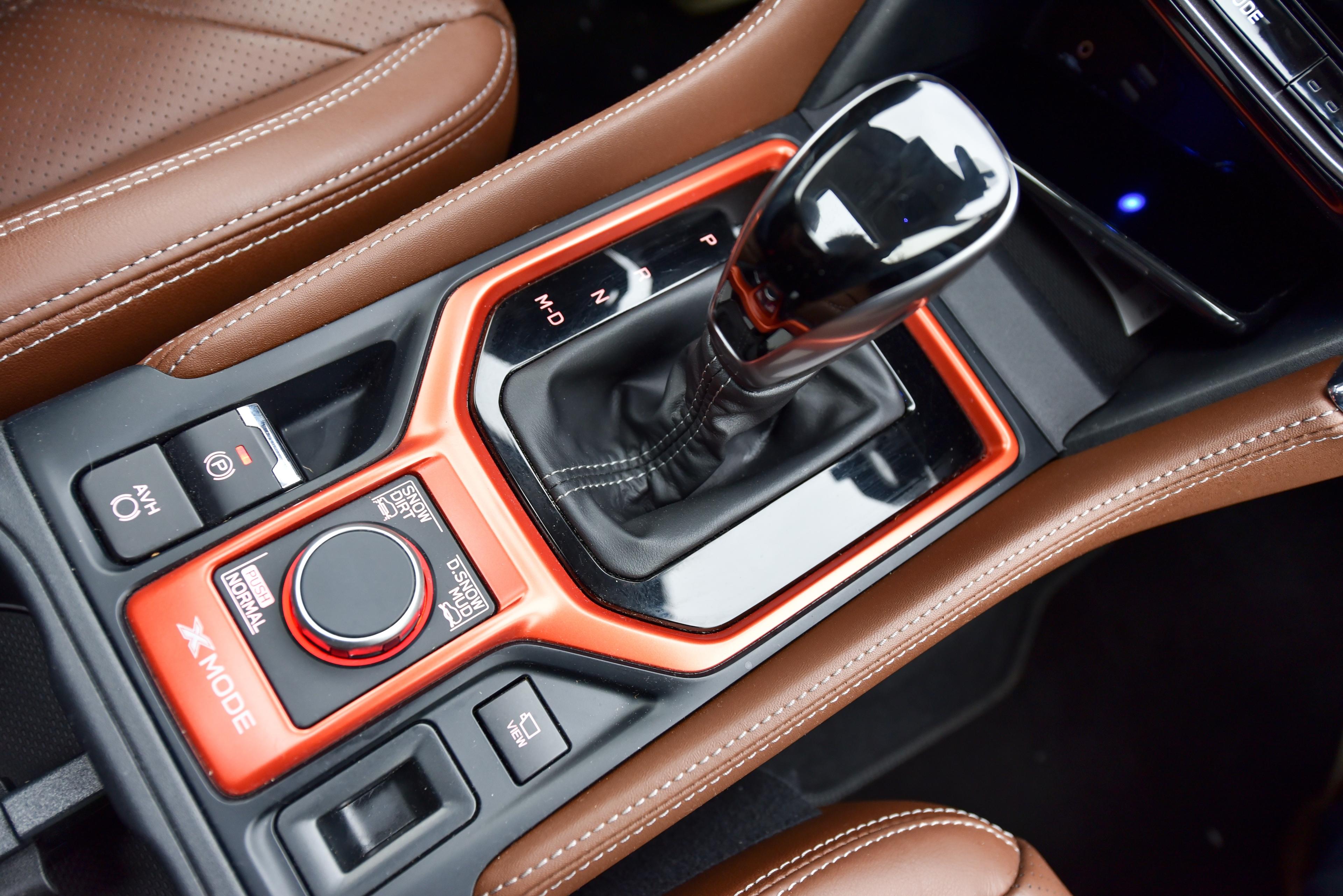
In a mild hybrid car, the electric motor works in tandem with the internal combustion engine (ICE). It doesn't drive the wheels by itself but contributes power to the engine in certain situations, such as when you accelerate from a standstill.
One key difference between mild hybrids and full or plug-in hybrids is that the electric motor is not connected directly to the drivetrain; it is instead connected to the engine. In many cases, the MHEV motor replaces the traditional starter motor; this means that the car can retain a traditional clutch and gearbox.
Can a Mild Hybrid Run on Electricity Only?
No, a mild hybrid cannot run purely on electricity, unlike full hybrid or plug-in hybrids (PHEV), which can travel short distances on electric power. Mild hybrids are powered by their petrol and diesel engines 100% of the time, with short periods of assistance from the motor.
Do Mild Hybrids Charge While Driving?
Yes! Mild hybrids do indeed charge their small battery while driving; this is the only way the battery can be charged. As you decelerate, the electric motor acts as a generator and feeds some of that energy back into the battery. This is known as regenerative braking.
Can You Charge a Mild Hybrid?
No, you cannot plug in a mild hybrid to charge it. The battery recharges automatically through regenerative braking.
Owing to its small size, the battery in a mild hybrid will often be fully charged after a short journey with a few downhill sections.
How Long Do Mild Hybrid Batteries Last?
Mild-hybrid batteries are designed to last for many years and, in 2026, are typically covered by manufacturer warranties.
In most cases, they should last well beyond 100,000 miles and often for the lifetime of the vehicle. Like other car components, battery performance can gradually reduce over time, but the positive news is that replacement rates remain relatively low.
How Much Does a Mild Hybrid Cost to Buy?
The cost of a mild hybrid car varies depending on the model, brand, and features, but generally, mild hybrids tend to be more affordable than full hybrids or plug-in hybrids. You can expect to pay a little premium over a standard petrol or diesel model - usually around £1,000 to £2,000.
For some buying tips on which hybrid could be best for you, why not check out our article on the top hybrids on sale now.
Are Mild Hybrids Cheaper Than Full Hybrids?
In many cases, yes. Mild hybrids usually use smaller batteries and less complex systems than full hybrids, which can help keep purchase prices lower. They also don't require charging equipment or significant changes to how you drive.
However, prices vary by manufacturer and trim level, especially given the wide variety of models in 2026, so it's always worth comparing the overall package rather than focusing on the badge alone.

How Much Does a Mild Hybrid Cost to Run?
In terms of running costs, mild hybrids offer better fuel economy than normal ICE cars, but are typically not quite as good as full or PHEV hybrids. Expect to see a modest improvement in fuel economy of around 0-15%. For example, a Ford Fiesta EcoBoost Mild Hybrid could offer up to 55 mpg, compared to around 50 mpg for the older petrol version.
Unfortunately, as mild hybrids don't have an EV-only range, the hybrid system is unlikely to help reduce company car tax and VED much, but it might just push the car into a lower band, depending on the alternatives.
How Much Can a Mild Hybrid Actually Save on Fuel?
Mild hybrids are designed to improve efficiency, but the savings can vary depending on your driving habits. For example, official MPG figures can look impressive, though real-world results often depend on whether you spend more time in traffic or cruising on the motorway.
Generally speaking, mild hybrid systems deliver their biggest gains in stop-start driving. Regenerative braking captures energy that would otherwise be wasted and uses it to support the engine during acceleration.
Here are a few examples of how that can look in practice:
Model | Standard petrol MPG | Mild hybrid MPG | Approx improvement |
|---|---|---|---|
Ford Puma | 48 mpg | 52 mpg | +4 mpg |
Suzuki Swift Hybrid | 54 mpg | 59 mpg | +5 mpg |
Kia Sportage Mild Hybrid | 42 mpg | 46 mpg | +4 mpg |
On shorter journeys and in urban traffic, those small improvements can add up over time. Drivers covering lots of town miles may notice the difference more than someone spending most of their week on long motorway journeys.
What Does That Mean in Fuel Costs?
To put it into real-world terms, using an indicative UK petrol price of around £1.45 to £1.60 per litre, a mild hybrid’s efficiency gain typically works out as:
Around £80–£200 per year in fuel savings for average drivers
Up to £250+ per year for high-mileage, stop-start city driving
Smaller savings (under £100/year) for mainly motorway drivers
Of course, fuel prices are subject to change. So, it’s best to look at the approximate mpg improvements.
Do Mild Hybrids Save Fuel on the Motorway?
They can, but usually not as much as they do in town or stop-start driving.
Mild hybrid systems work best when they can recover energy through braking and use electric assistance during repeated acceleration. And on long motorway journeys at a steady speed, those opportunities are reduced, meaning fuel savings are smaller.
Popular Mild Hybrid Cars (UK 2026)
Mild hybrid technology is no longer limited to a handful of models. You'll now find it in everything from small hatchbacks to family SUVs and premium cars.
Some of the most popular mild hybrids on UK roads in 2026 include:
Ford Puma Mild Hybrid: One of the UK's best-selling compact SUVs, offering improved efficiency without changing the driving experience.
Ford Fiesta EcoBoost Hybrid: A small hatchback designed for commuters wanting better fuel economy.
Suzuki Swift Hybrid: Compact and focused on efficiency.
Kia Sportage Mild Hybrid: A family SUV with a balance of practicality and economy.
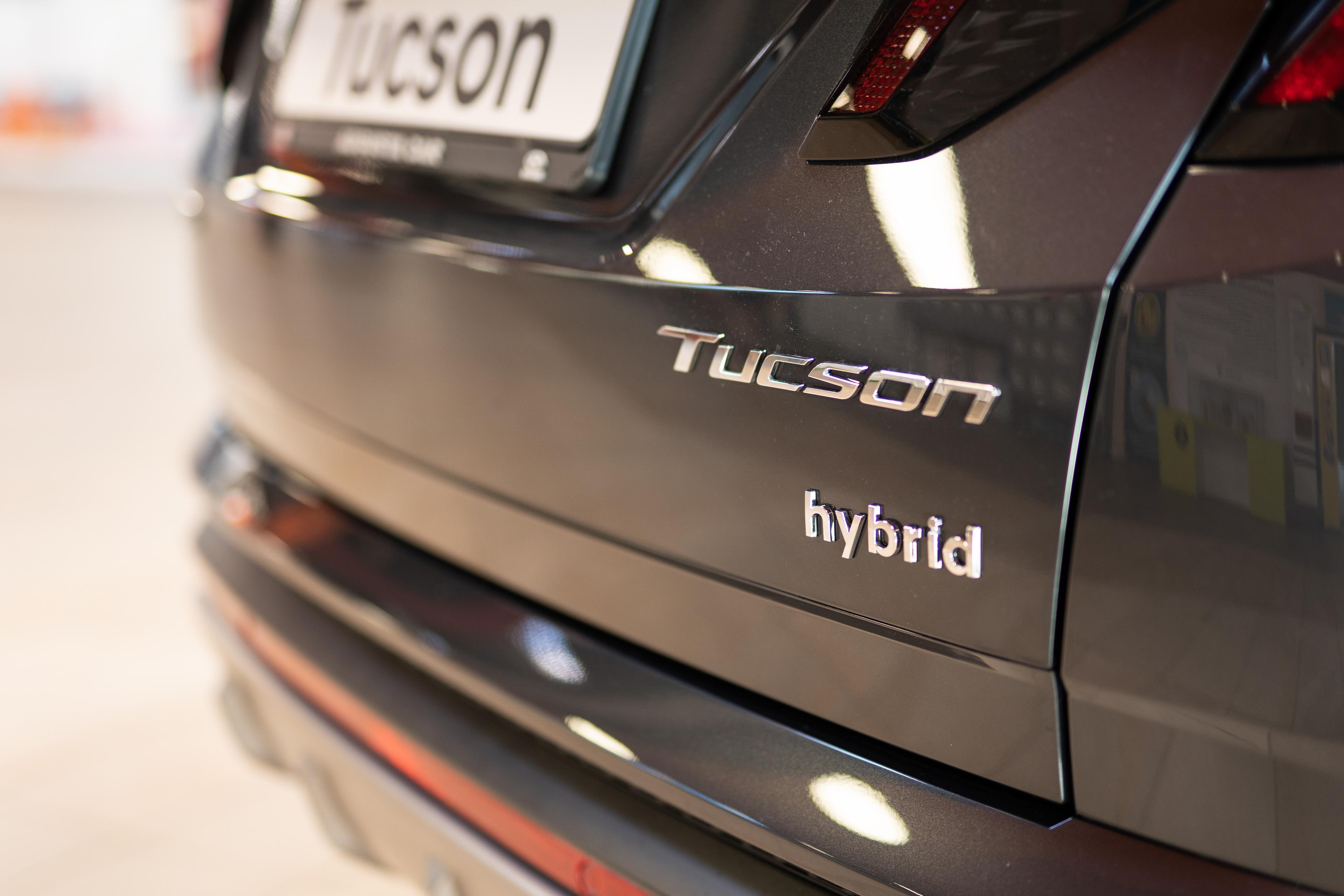
Hyundai Tucson Mild Hybrid: A larger SUV aimed at drivers wanting space and lower running costs.
Nissan Qashqai Mild Hybrid: A popular crossover that combines everyday usability with hybrid assistance.
Audi A3 TFSI MHEV: A premium hatchback with added comfort and efficiency.
Volvo XC40 Mild Hybrid: A compact SUV with a focus on comfort.
Mazda3 e-Skyactiv: A hatchback designed to improve economy while maintaining strong driving performance.
Fiat Panda Hybrid: A city-focused option designed around lower running costs.
Availability and specifications can change regularly, so it's worth checking the latest versions if you're comparing models.
And, of course, these are not the only mild hybrid cars out there! Bumper suggests looking at the most popular models and directly comparing them to find the best wheels for your lifestyle.
Advantages of a Mild-Hybrid Car
Improved Fuel Efficiency: With the electric motor helping the engine, you can expect better mpg and lower running costs
Smoother: One of the benefits of an electric motor assisting at lower speeds is that it can make the effect of turbo-lag less noticeable, giving a smoother ride
Lower Cost: Mild hybrids are usually cheaper to buy than full hybrids or plug-in hybrids
No Need to Charge: Unlike full hybrids or electric cars, you don’t need to worry about charging a mild hybrid.
Familiar to drive: Because the petrol engine still does most of the work, driving a mild hybrid feels much like driving a conventional car. There’s a little learning curve for first-time hybrid buyers.
Disadvantages of a Mild-Hybrid Car
No electric-only range: Unlike PHEVs, Mild hybrids cannot drive on the motor alone, meaning you’ll always be using petrol to some extent
Cost Premium: While more affordable than full hybrids, there is still a small price bump over standard petrol and diesel models
Limited Impact: The fuel economy improvements are helpful, but they might not be as noteworthy as with full hybrids or EVs
Less effective on long motorway journeys: Mild hybrid systems perform best in urban and mixed driving, where braking and acceleration happen frequently. Drivers spending most of their time on motorways may notice smaller benefits.
Are Mild Hybrids Worth It?
Mild hybrids are a great option for those looking to dip their toes into the world of hybrid cars without the cost or charging infrastructure needed. They're a solid choice for those who want better fuel efficiency, lower emissions, and a bit of extra help from an electric motor but don’t mind keeping the petrol engine as the main driving force.
However, motorway drivers may see fewer gains. At a constant cruising speed, there are fewer opportunities for regenerative braking, which means the hybrid system has less work to do.
That doesn't mean mild hybrids aren't worth considering if you cover a lot of miles, but expectations should be realistic. If you regularly drive 20,000 miles or more each year (e.g., with lots of long motorway trips), a full hybrid, plug-in hybrid or even an efficient diesel model could sometimes deliver greater savings.
For drivers with a mix of commuting, urban journeys and weekend trips, a mild hybrid can still strike a useful balance between lower fuel consumption and convenience.
I would recommend anyone looking for a petrol car to consider an MHEV, but those looking for an ultimate economy, or electric-only range, should look to plug-in or self-charging hybrids.
Have Your Mild Hybrid Repaired With Bumper
If you already drive a hybrid, or any car for that matter, and you have some issues that need resolving, Bumper's car repair finance can help. Choose from hundreds of nationwide approved garages today.

Split your car repair cost over monthly repayments interest-free.
Split the cost of your next repair
Other related articles from our blog

Advice
2 min read
This summer car washing method could be wrecking your vehicle
Every driver wants to have a clean car, but washing your car with this popular summer method could lead to premature ageing of the vehicle's tyres.

Advice
2 min read
Everyday driving mistake that could cost you thousands
Drivers are discovering that a simple driving habit could land them a big fine. Discover more about the everyday driving mistake that could cost you thousands.

Advice
5 min read
Tyre Replacement Cost Guide: £45 to £250+ (2026)
Tyre replacement costs range from £45 to over £250 for British drivers. See a list of tyre change costs and find out what your car needs online with Bumper.


